Tbilisi Architecture a Synthesis of History and Modernity
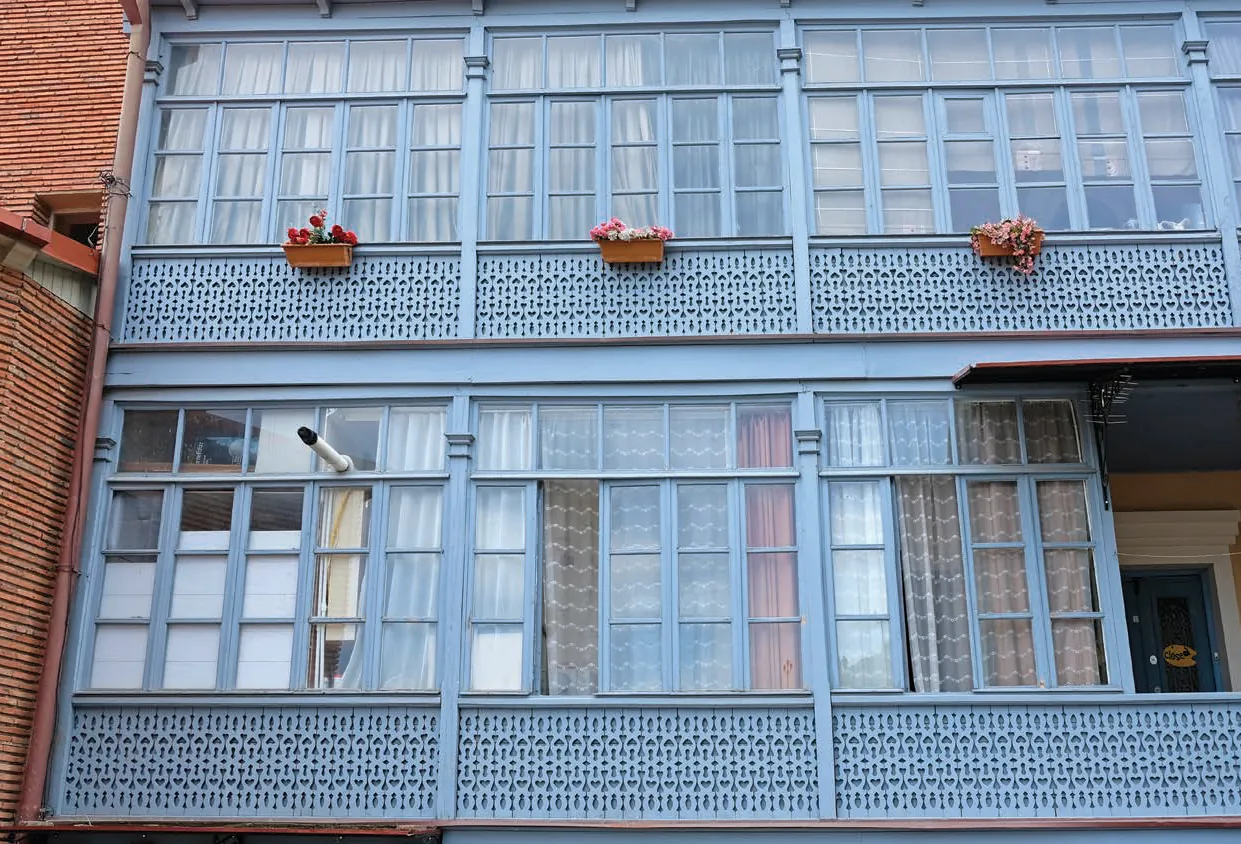
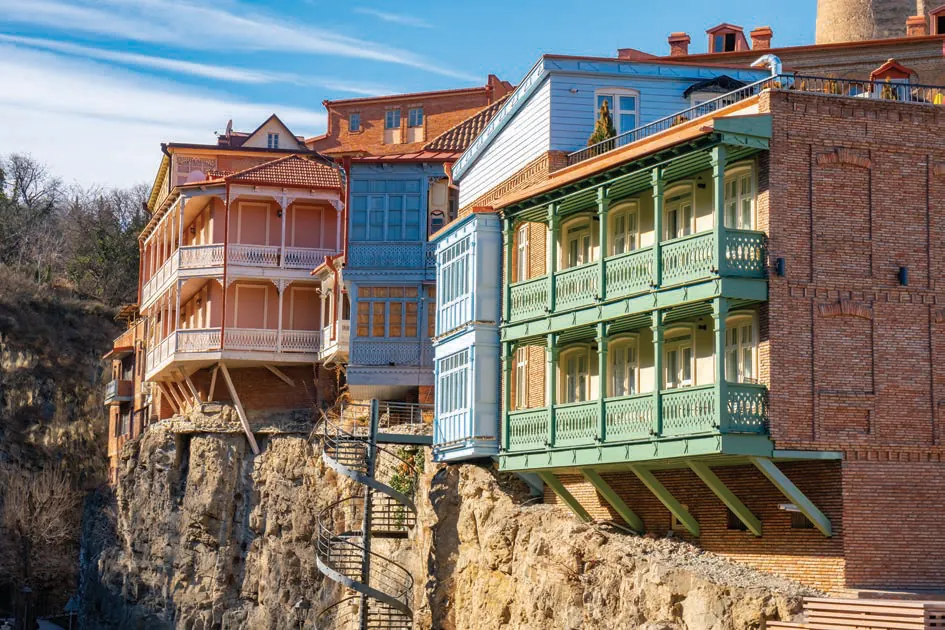
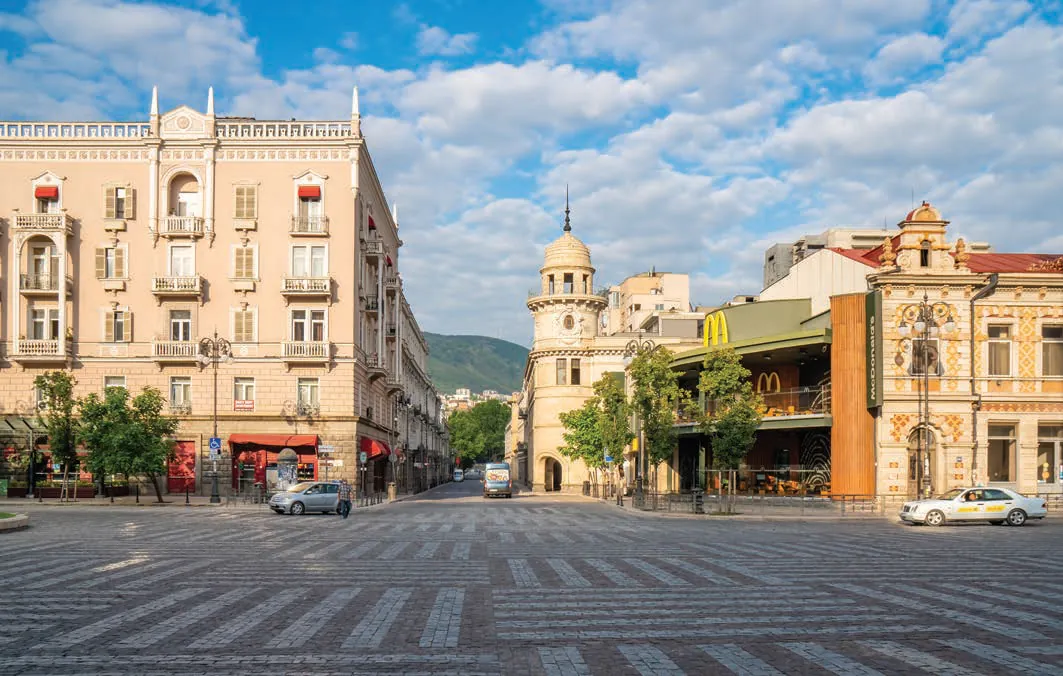
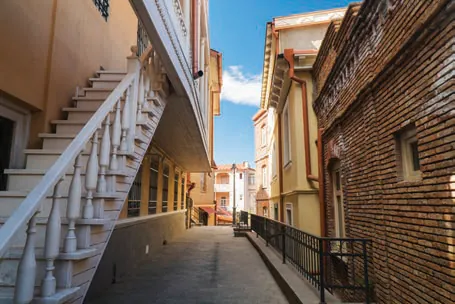
Tbilisi’s architecture is a unique blend of historical and cultural layers, shaped over centuries at the geopolitical crossroads of the Caucasus. The city has always been a bridge between East and West, and this is clearly reflected in its architectural landscape. Old Tbilisi, with its wooden-balconied houses, narrow winding streets, and colorful glass facades, is not only visually captivating but also emotionally resonant. Here, medieval churches and traditional stone buildings stand as enduring witnesses to the city’s long and storied past.
On both banks of the Mtkvari River, Tbilisi is rich with culturally significant districts. Sololaki, Avlabari, and Abanotubani are among the neighborhoods where traditional urban structures still exist. Sioni Cathedral, Metekhi Church, and the Narikala Fortress occupy prominent positions among the city’s symbols and represent outstanding examples of Georgian architecture.
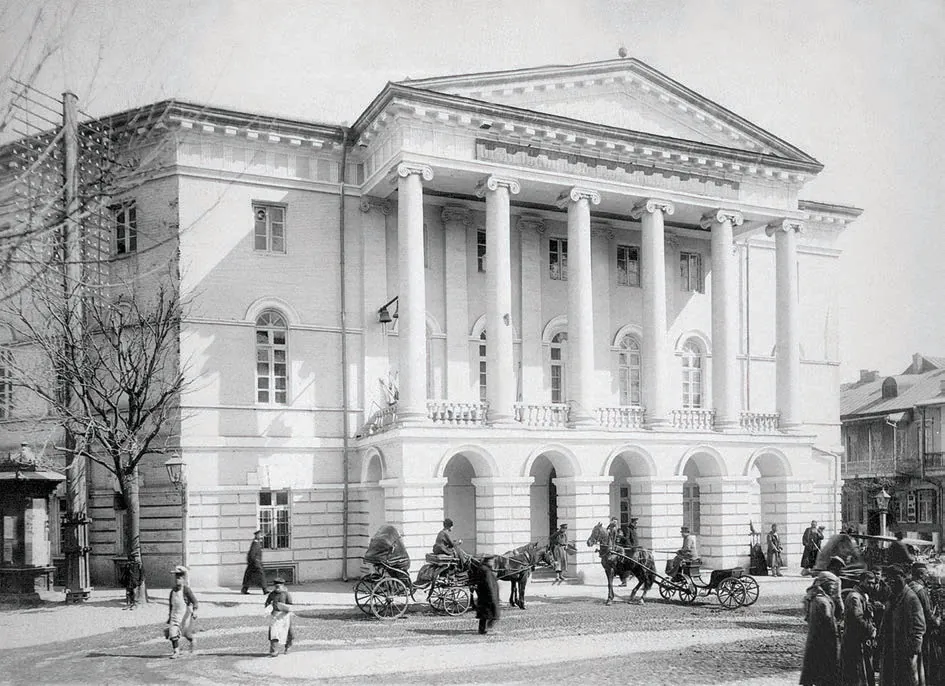
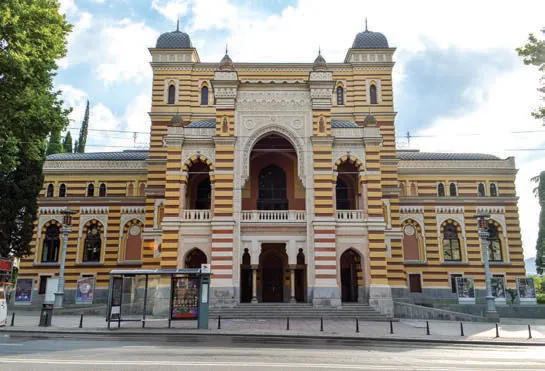
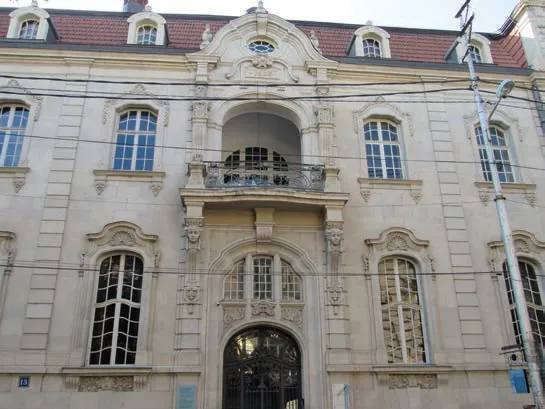
In the 19th century, Tbilisi drew closer to European architectural trends. Buildings in neoclassical, baroque, and modernist styles began to appear. The building of the Georgian Museum of Fine Arts, the Writers’ House of Georgia, the Tbilisi Opera and Ballet State Theatre, the Tbilisi City Municipal Assembly, and others stand as notable examples of this era. Arches, decorative facades, and high-ceilinged halls gave the city a touch of grandeur and luxury.
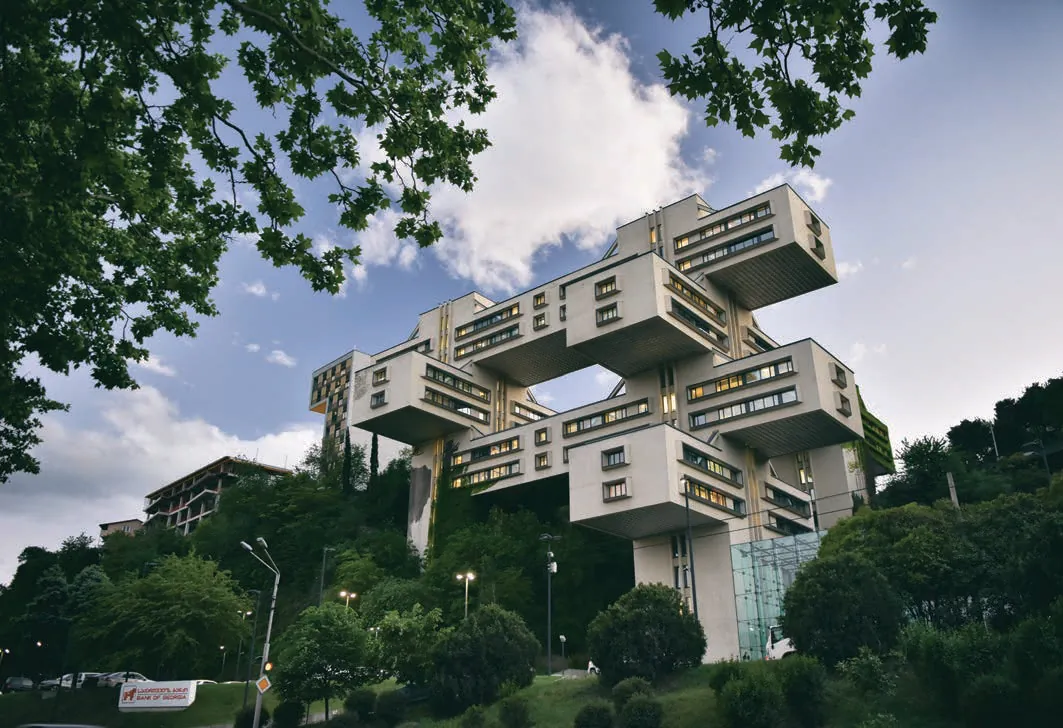
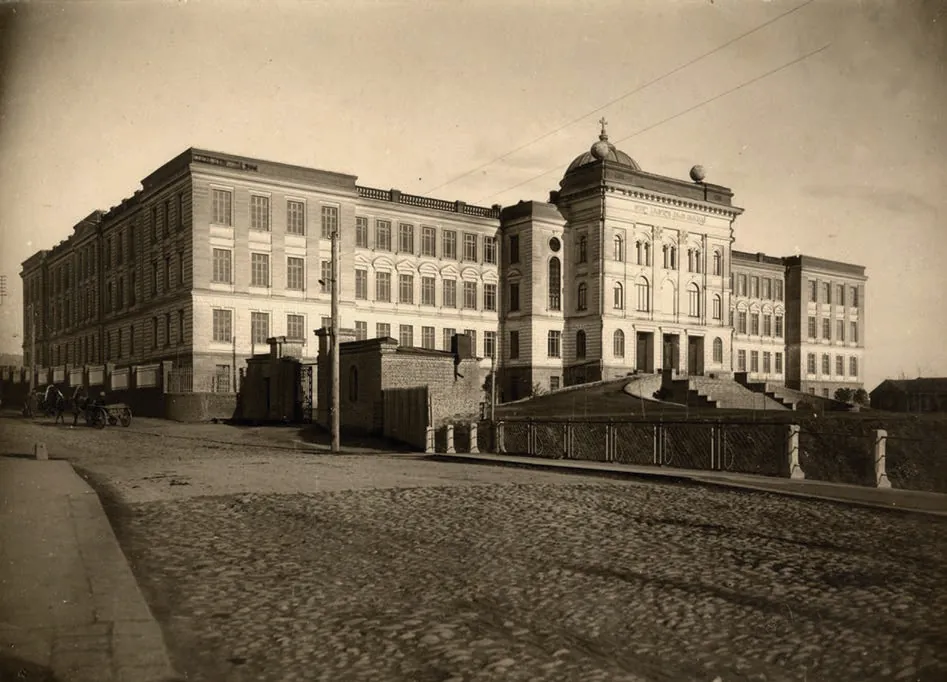
During the Soviet era, Tbilisi underwent an entirely new architectural development — monumental scale, strict symmetry, and functionalism. The buildings of the Parliament, the Post Office, “IMEL,” and the former “Zarya Vostoka” on Rustaveli Avenue are important examples of architecture from this period. From the 1960s onward, large-scale residential construction began in response to urbanization and population growth. Expansive micro-districts such as Saburtalo, Gldani, and Vazha-Pshavela Avenue emerged, characterized by clusters of uniform fiveand nine-story apartment blocks. These buildings were designed with functionality and economy in mind, yet they remain vital documentary echoes of the social policies and urban development strategies of their time.
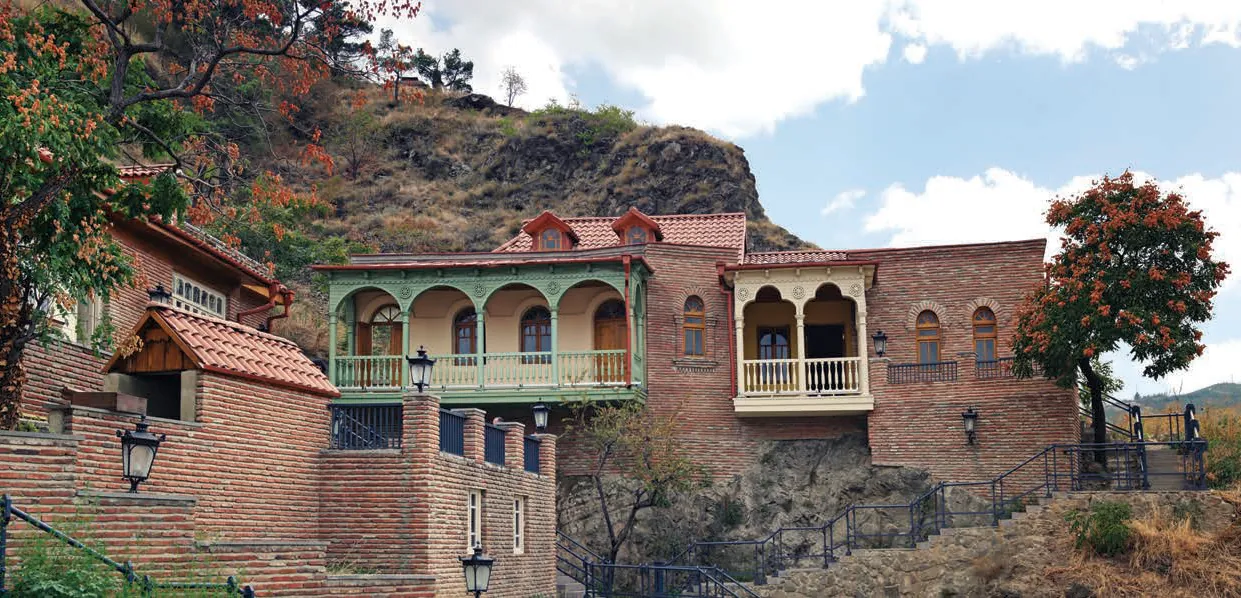
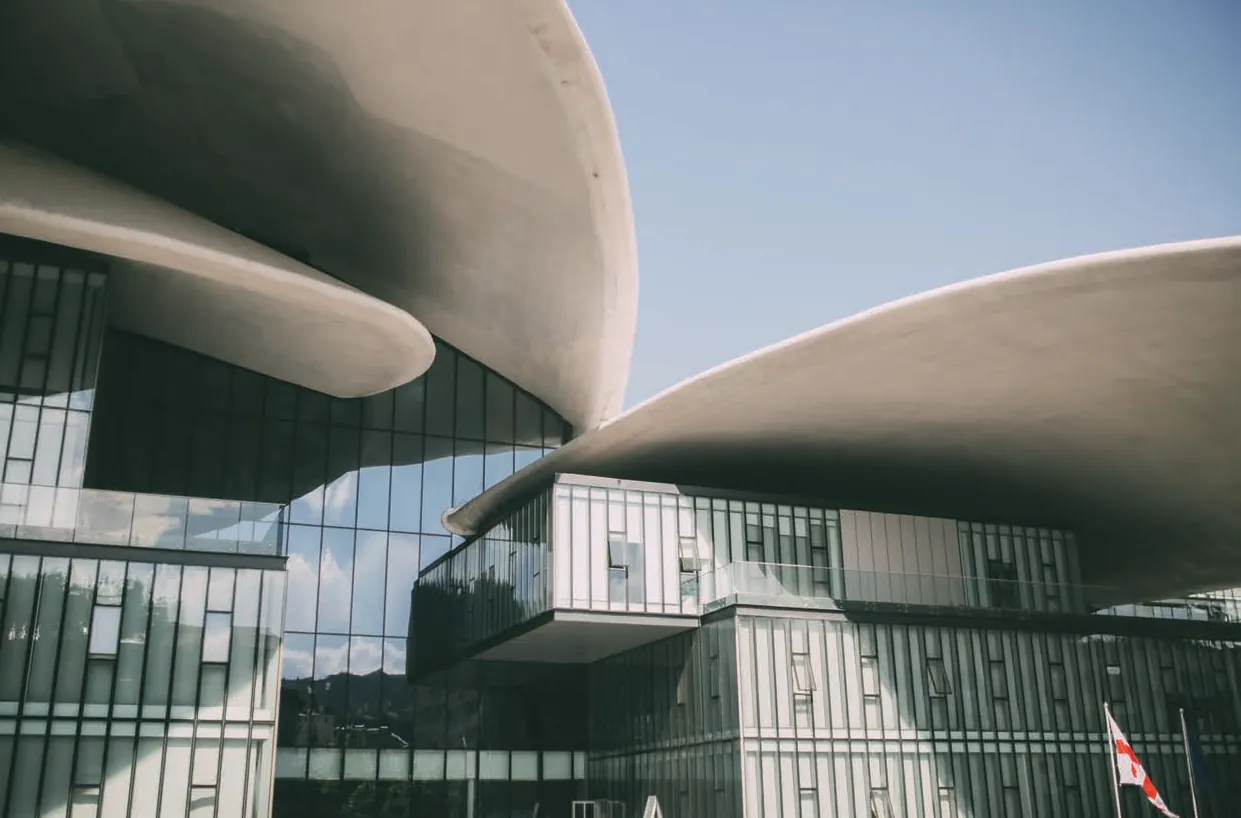
Since the 1990s, Tbilisi has undergone a wave of modern urban transformation. Historic neighborhoods like Sololaki, Abanotubani, and Avlabari have gradually been rehabilitated, a process that not only revitalized the city’s appearance but also enhanced its appeal as a global tourist destination. At the same time, bold new architectural experiments have emerged — striking combinations of glass, metal, and concrete. Buildings like the House of Justice and the Bridge of Peace reflect an effort to redefine the city’s identity in a contemporary context.
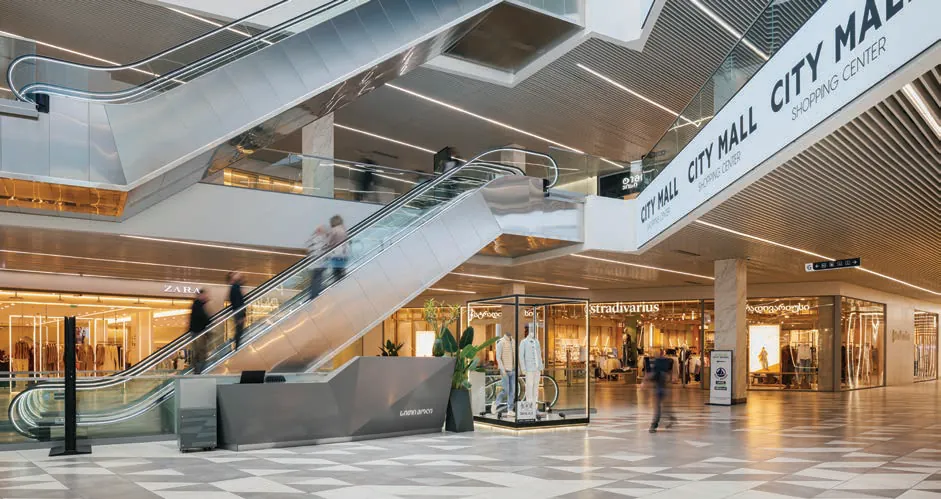
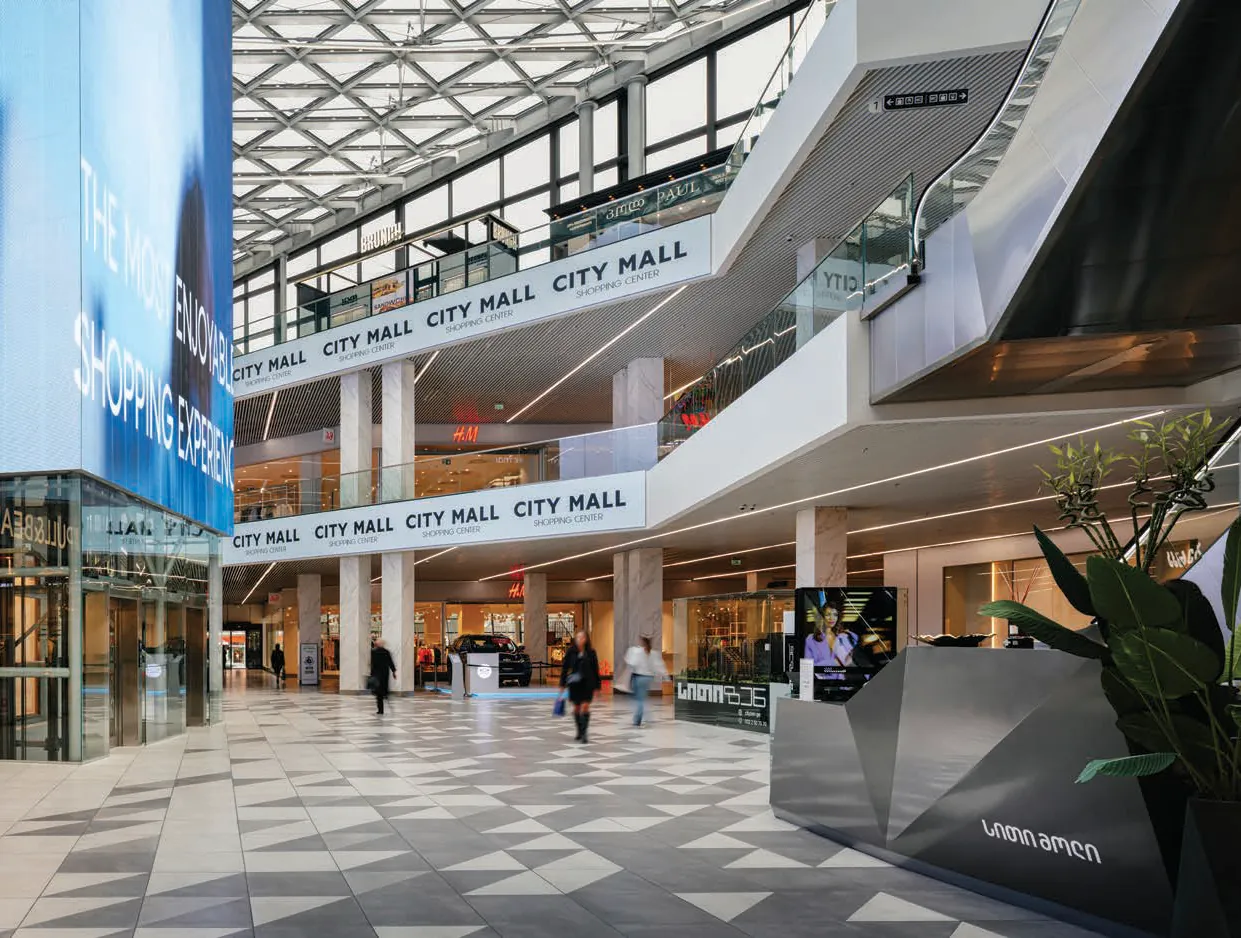
Construction of multi-storey residential buildings in modern Tbilisi continues at a rapid pace. In recent years, high-rise buildings made primarily of glass and metal have become increasingly common, mostly housing commercial and residential spaces. These structures are sometimes criticized for clashing with the historic surroundings, yet they also represent a response to the city’s growing urban needs and the creative vision of a new generation of architects.
Tbilisi’s architecture is more than just a collection of buildings made of brick and stone — it is a living embodiment of history, memory, and cultural consciousness. It is the city’s honest autobiography: beginning with feudal-era symbols, progressing through imperial elegance, marked by Soviet ideology, and enriched by modern ideas. Through this complex, layered synthesis, Tbilisi reveals itself — a city that honors its past while confidently moving towards the future.