Georgian Interior Designer in New-york
Tinatin Kilaberidze
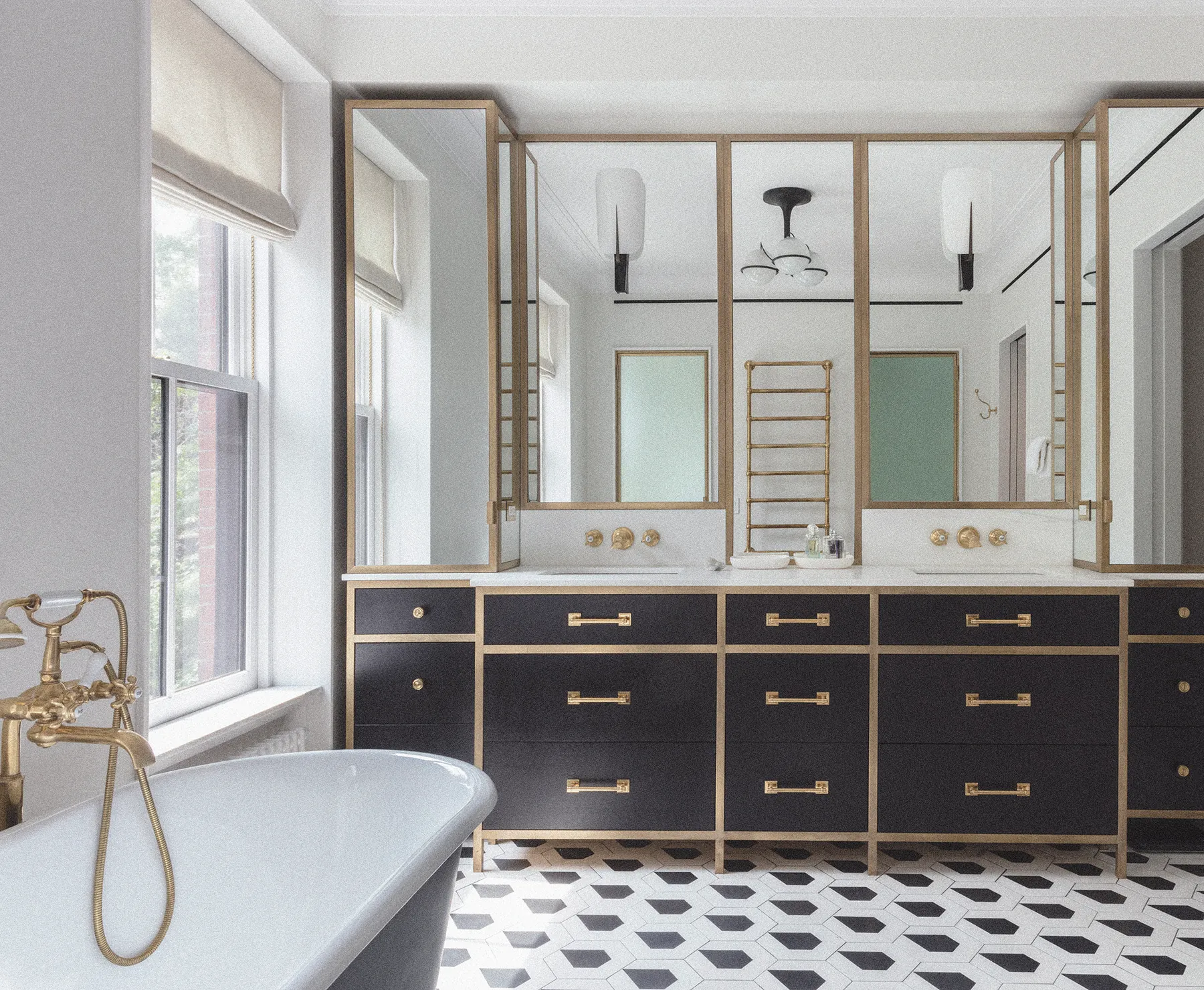
Among the professionals recognized in the field of interior and furniture design, Tinatin Kilaberidze holds a distinctive place, a woman who created a unique, timeless style through the synthesis of traditional Georgian, Eastern, and Western aesthetics. Tinatin (Tina) Kilaberidze is an interior designer based in New York. She was born in 1956 in Georgia. Her interest in design began in childhood. She always wanted to transform her surroundings, not only through the arrangement of furniture and objects, but also through people’s clothing and hairstyles.
She initially graduated from the Faculty of Western European Languages and Literature at Tbilisi State University, and later entered the Academy of Arts, where she studied architecture, painting, and design together. After graduating from the Academy, she began working at Zurab Tsereteli’s studio, creating interior sketches and furniture designs in watercolor.
PHOTO: LOUISA CHALATASHVILI ᲚᲣᲘᲖᲐ ᲩᲐᲚᲐᲗᲐᲨᲕᲘᲚᲘ
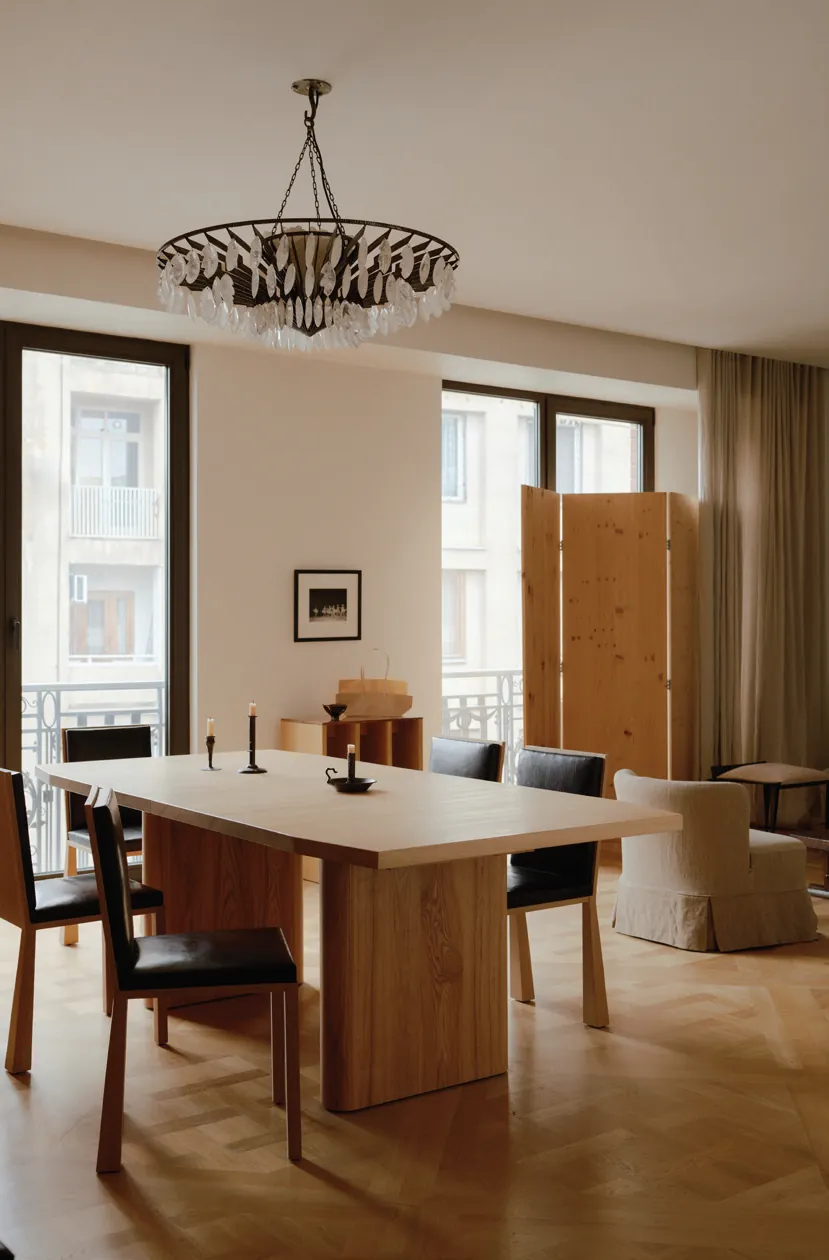
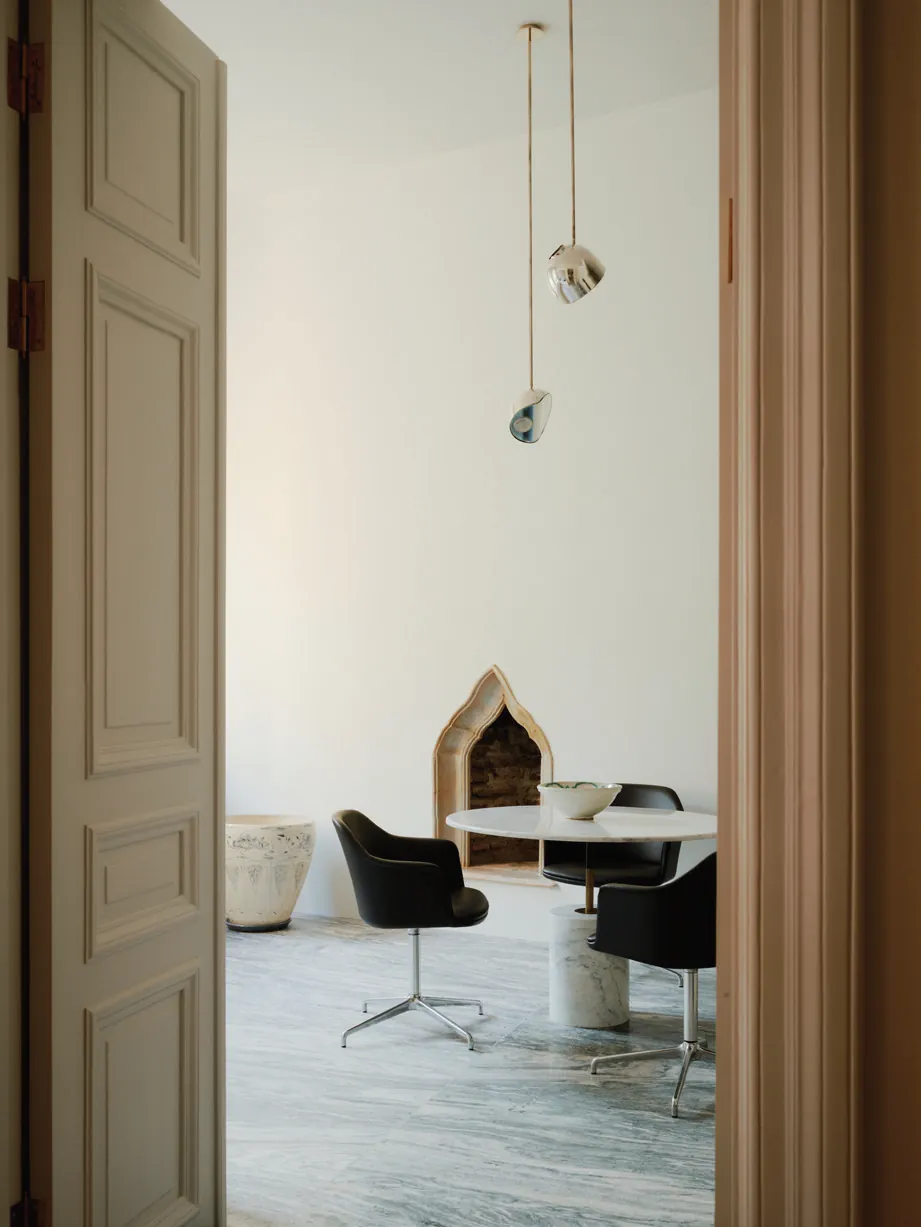
VERA, TBILISI, PHOTO: WILLIAM JESS LARD
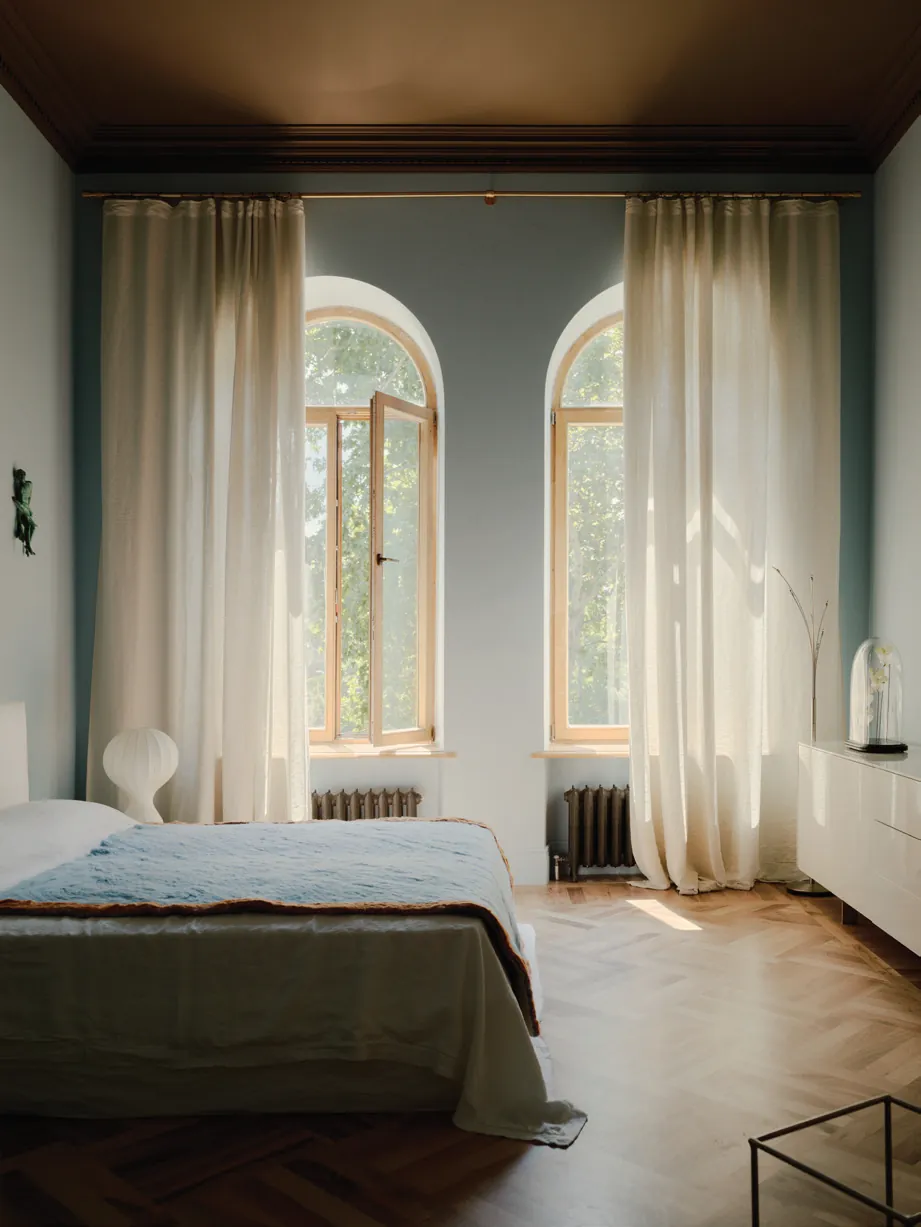
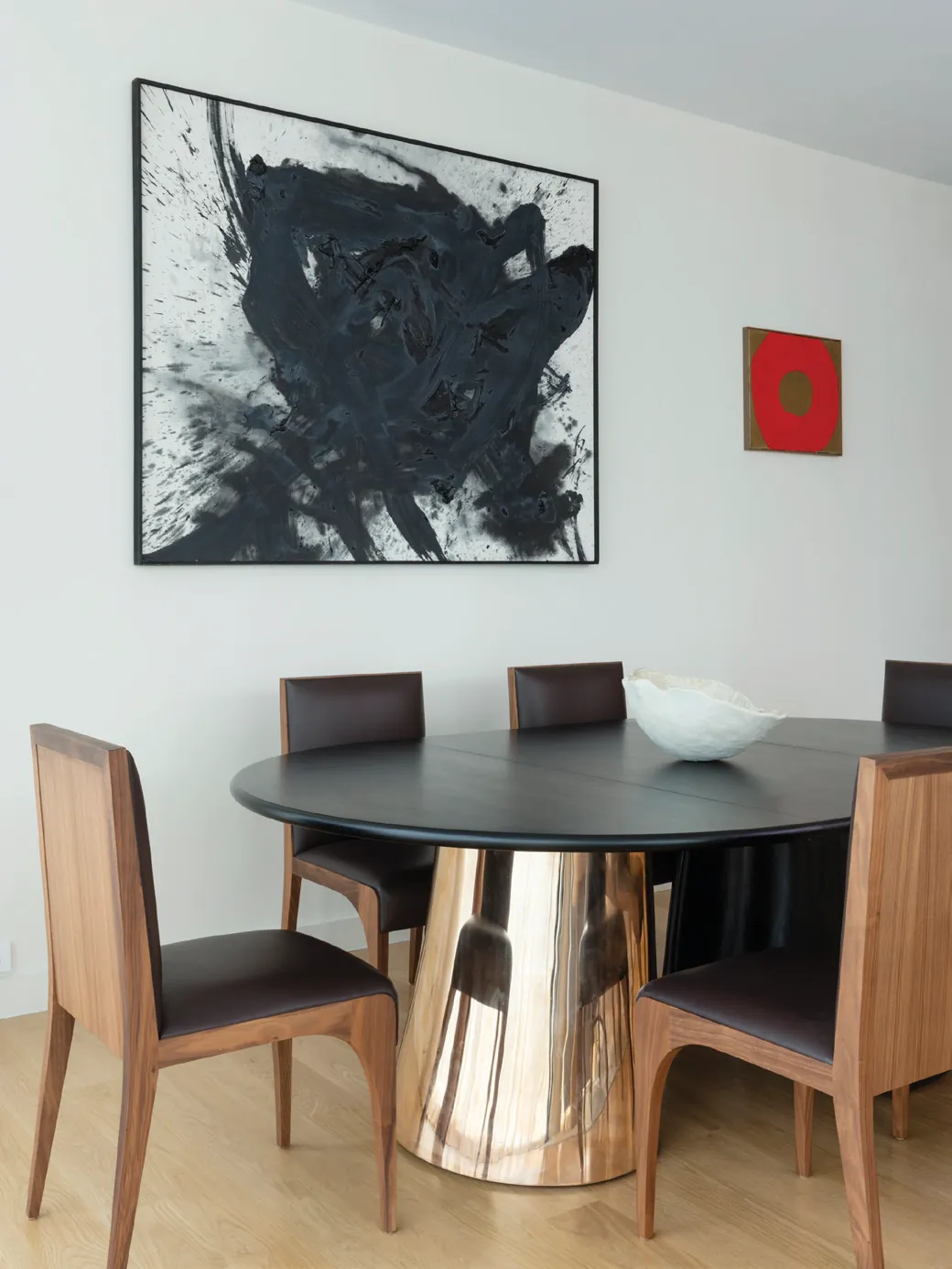
BROADWAY, NY. PHOTO: LOUISA CHALATASHVILI ᲚᲣᲘᲖᲐ ᲩᲐᲚᲐᲗᲐᲨᲕᲘᲚᲘ
BROADWAY, NY. PHOTO: LOUISA CHALATASHVILI ᲚᲣᲘᲖᲐ ᲩᲐᲚᲐᲗᲐᲨᲕᲘᲚᲘ
After the collapse of the Soviet Union, she moved to the United States, where she built her career independently. Today, she is one of the most in-demand designers in New York. She collaborates with the Valerie Goodman Gallery, develops personal projects, and creates limited-edition furniture collections.
Her works stand out for their minimalism, sophisticated forms, functionality, and aesthetics. Tinatin actively maintains her connection with Georgia, conducts workshops for young designers, and implements various projects in Tbilisi.
What sparked your interest in interior design?
From childhood, I was good at drawing and thought I would become an artist. But I was deeply attracted to forms, people’s clothing, hairstyles, buildings, gardens, and home interiors. If something did not please me visually in my imagination, I always tried to change it. After completing my studies in foreign languages at university, I returned to my real interest and enrolled in interior design. At that time, this field was newly established at the academy, and I found it closest to my creative nature.
This profession is very popular nowadays, although it was less known years ago. You were one of the pioneers in this field. How did your vision and the field itself develop over the years?
The education I received at the Academy of Arts was very closely connected to fine art. We continuously studied drawing, painting, sculpture, as well as architecture and design. This gave me a strong foundation to think more creatively about interior architecture. A lot of hard work and self-confidence allowed me to start my career in the United States. At that time, there was no internet and no access to information beyond magazines, and establishing yourself in a foreign country was not easy. Still, I managed to overcome everything on my own and founded my own company. It took many years and a great deal of work to reach where I am today. I encountered different realities, styles, and circumstances, but I never abandoned my faith or principles.
How did working at Zurab Tsereteli’s studio help you in your later career?
It helped me greatly, because at that time we designed all original furniture and lighting items. Back then, it was not as easy as it is now to access the works of world-famous designers. I think that environment helped me even more to create unique, individual pieces.
Today you work in New York. How did your international success begin?
Self-confidence and determination played a major role. My natural talent also helped. I always tried to create opportunities to prove that I could do everything at the highest level. No matter how talented one is, success always comes through hard work.
What do you consider the biggest challenge in your career?
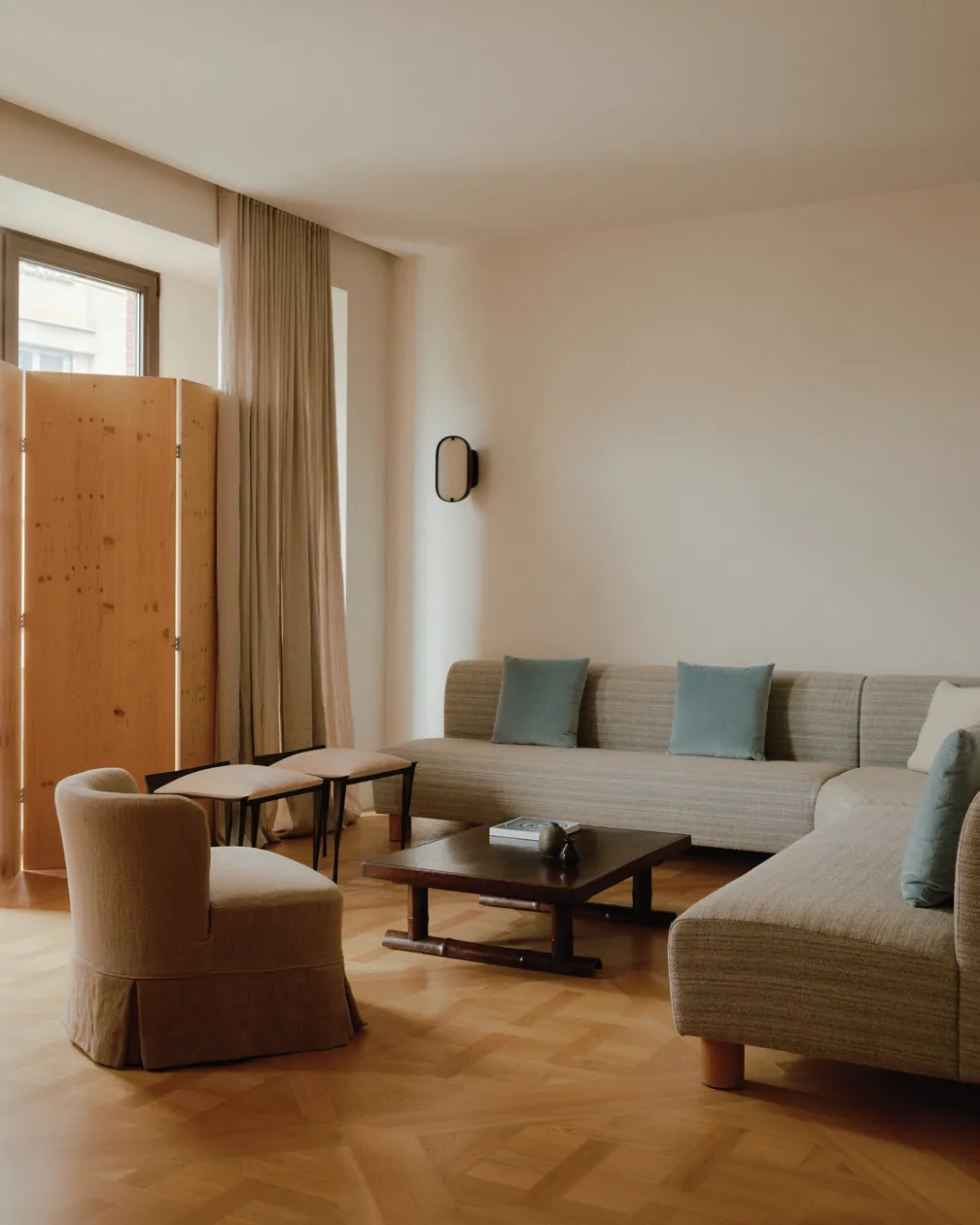
UZNADZE, TBILISI, PHOTOS: WILLIAM JESS LARD
The fact that our profession depends on the objective space and on gaining the client’s trust. Furniture design depends on a certain budget, and when the budget is sufficient, it is much easier to bring your vision to life.
How would you describe your style? What is most important when you create a design?
The most important thing is to combine function and imagination in the best possible form.
Besides interiors, you also design furniture. Please tell us about this direction as well.
Furniture design is in my genes. My grandfather was an architect and builder, and my uncle was an engineer, yet both of them had a hobby of creating and crafting furniture. My interest in furniture came naturally, and once I started working on interiors, it became even more essential. When I couldn’t find the exact piece I needed, I created it myself.
What is most important to you in an interior?
A space must function effortlessly and continuously bring positive emotions to the user.
How do you maintain a connection with Georgia? What projects do you have here?
For many years, I tried to share my experience with aspiring designers through workshops and collaborated with students of the Media Faculty at the Academy of Arts. Last year, I supervised a diploma course at the Interior Design Faculty of the Free University. In recent years, I have designed two residential houses in Tbilisi and completed one in Chakvi, while simultaneously working on projects in New York. One of the Tbilisi houses was published in American, German, and Italian magazines, which I am very proud of. Thirty-five years ago, when I moved to the United States, people hardly knew where Georgia was. When the prestigious American publication “Architectural Digest” featured a house
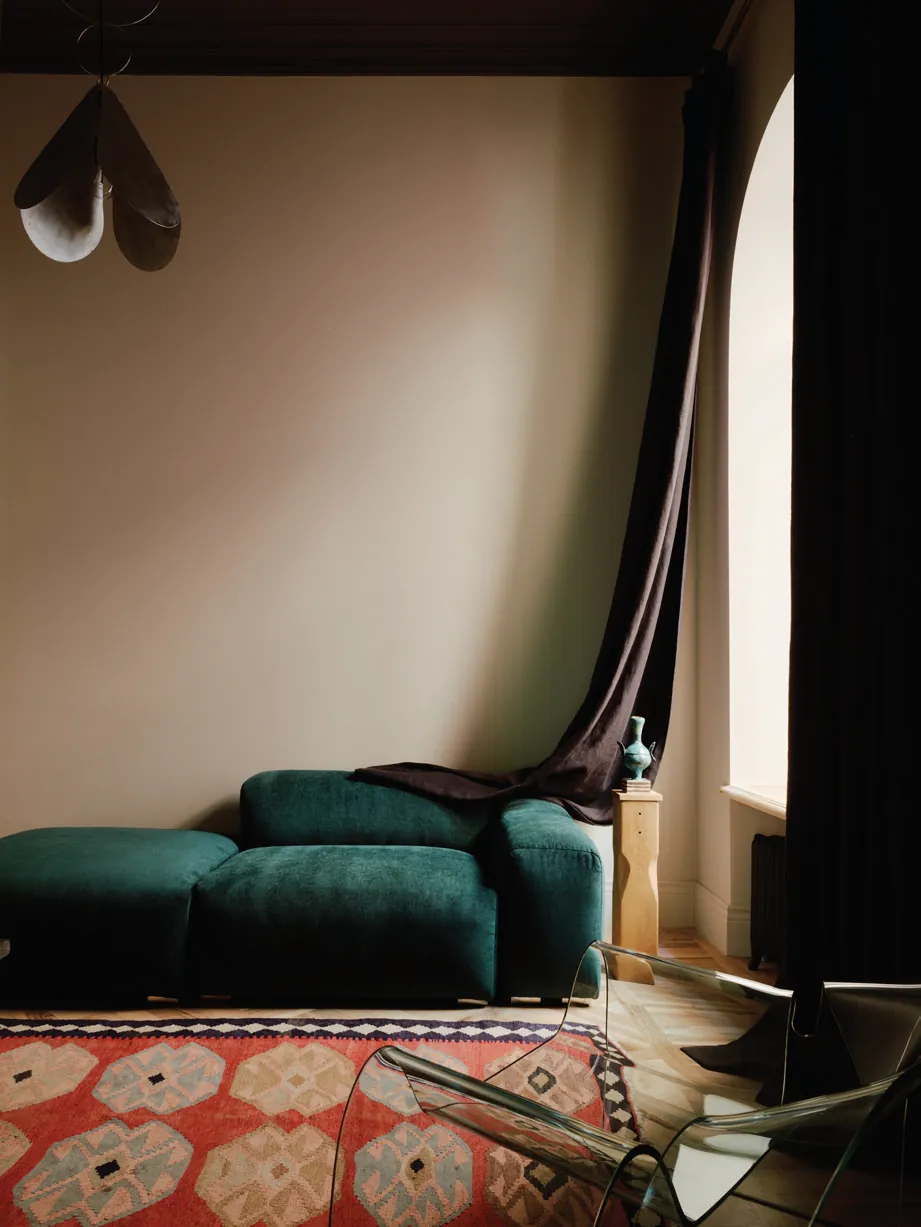
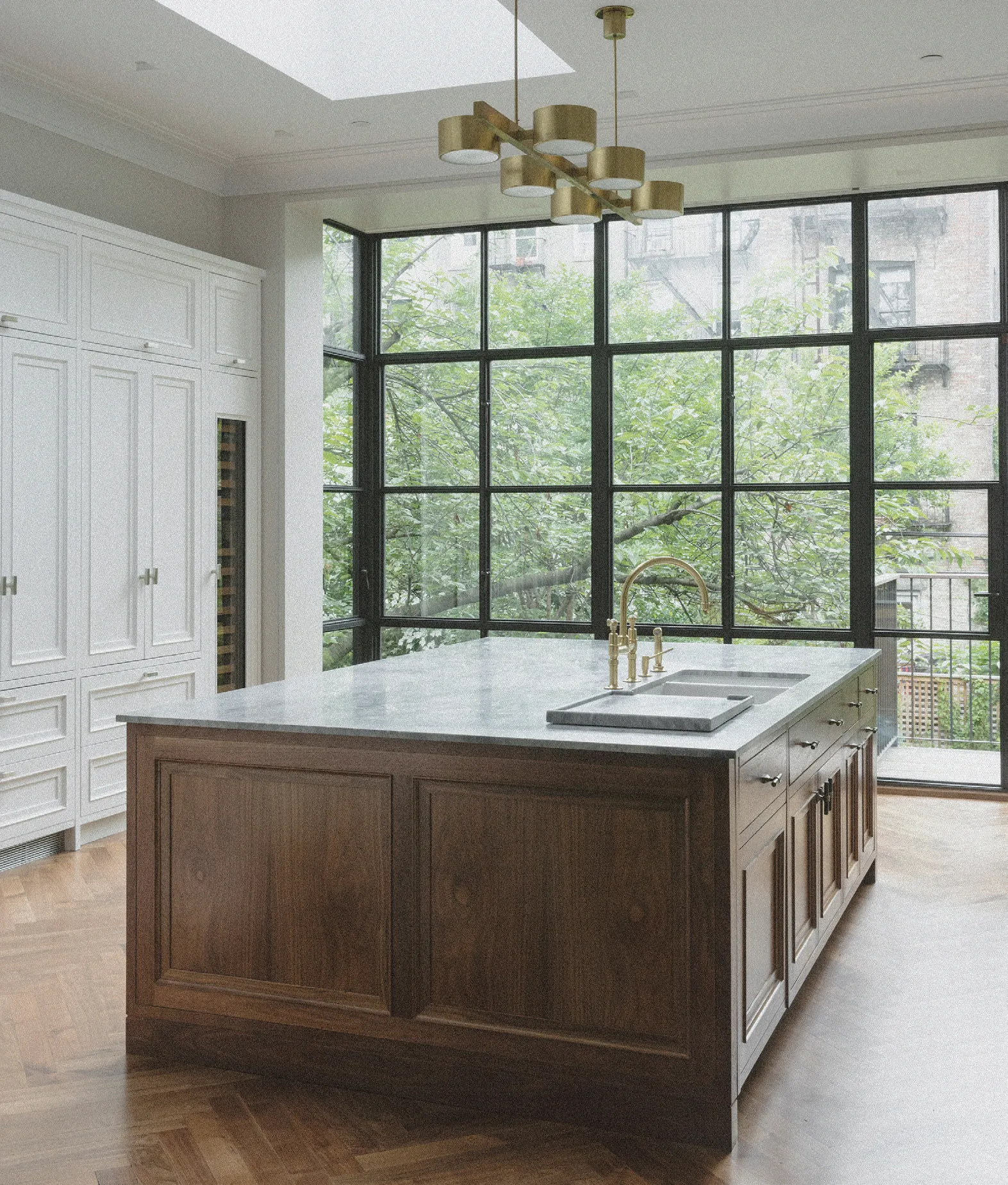
BROOKLYN, NY. PHOTOS: ANTOINE BOOTZ
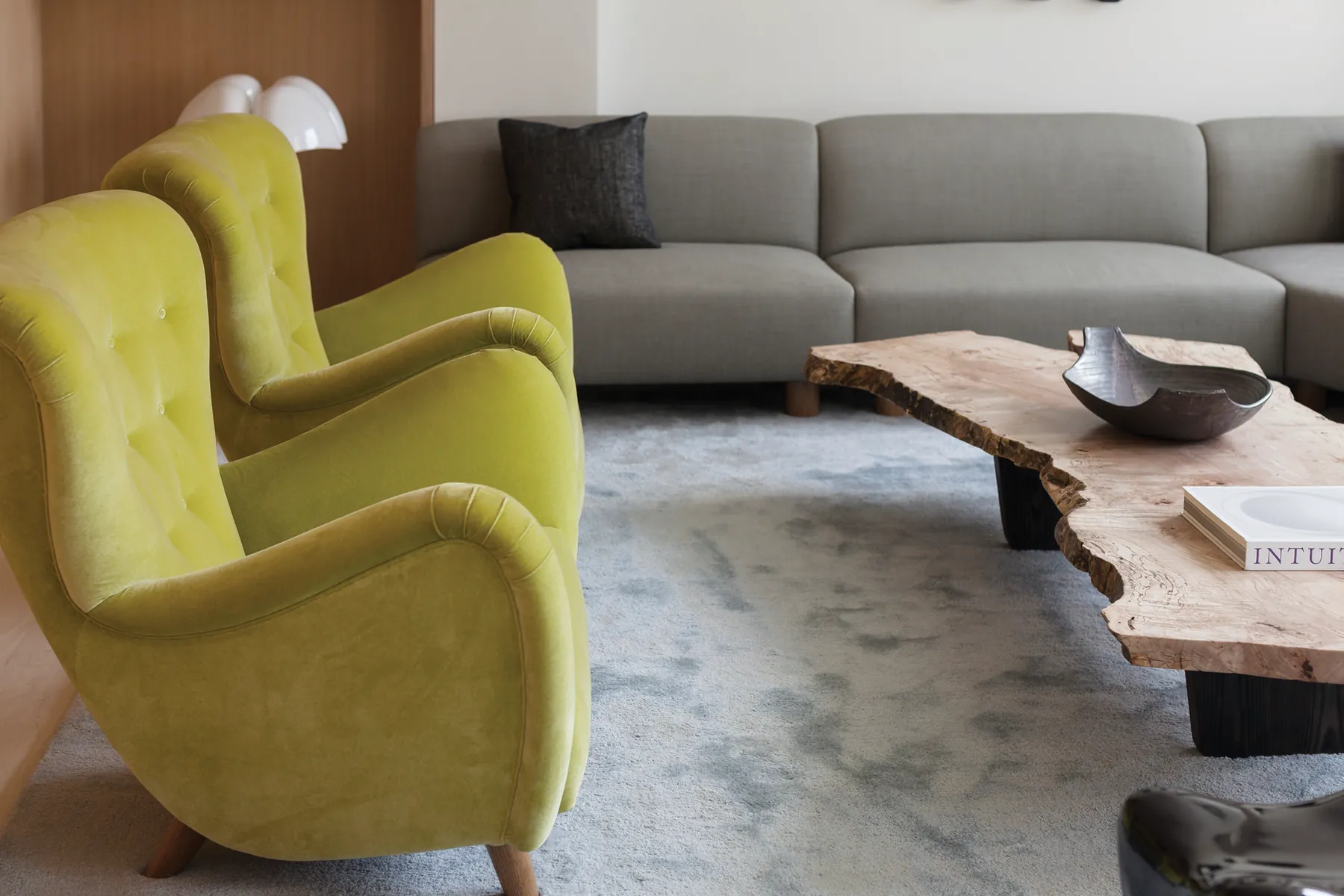
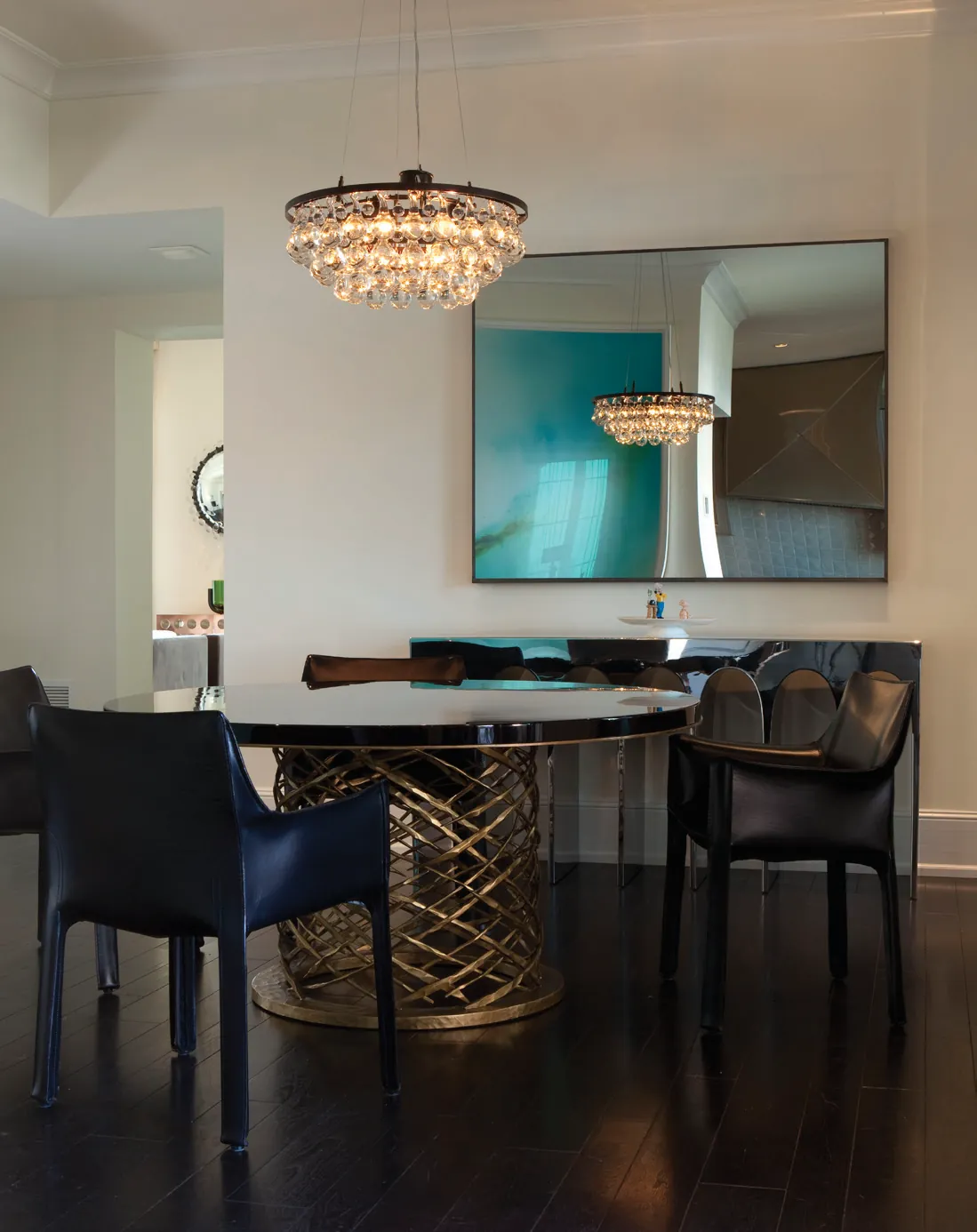
ASTOR PLACE NY. PHOTO: ANTOINE BOOTZ ATLANTA PENTHOUSE. PHOTO: ANTOINE BOOTZ
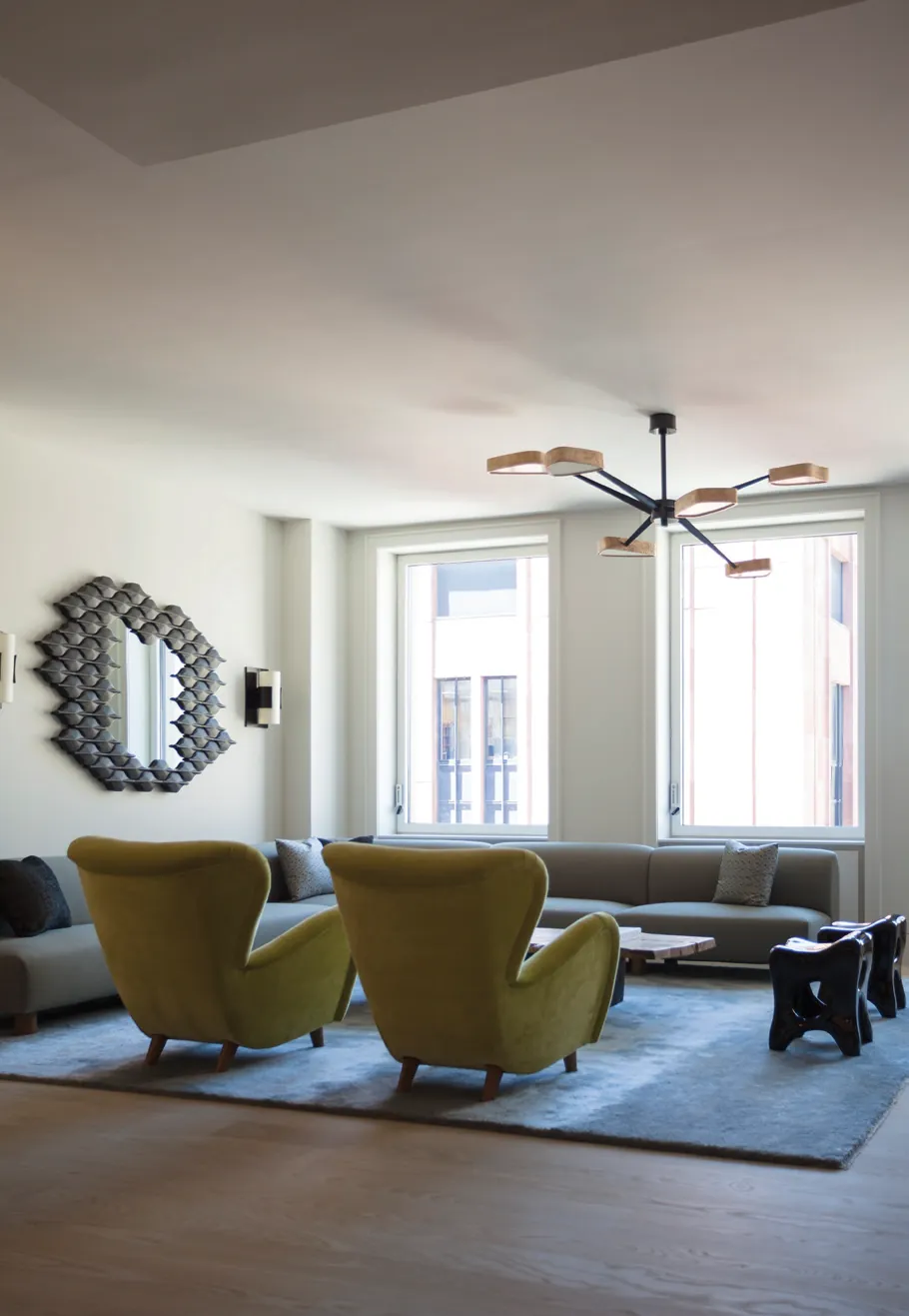
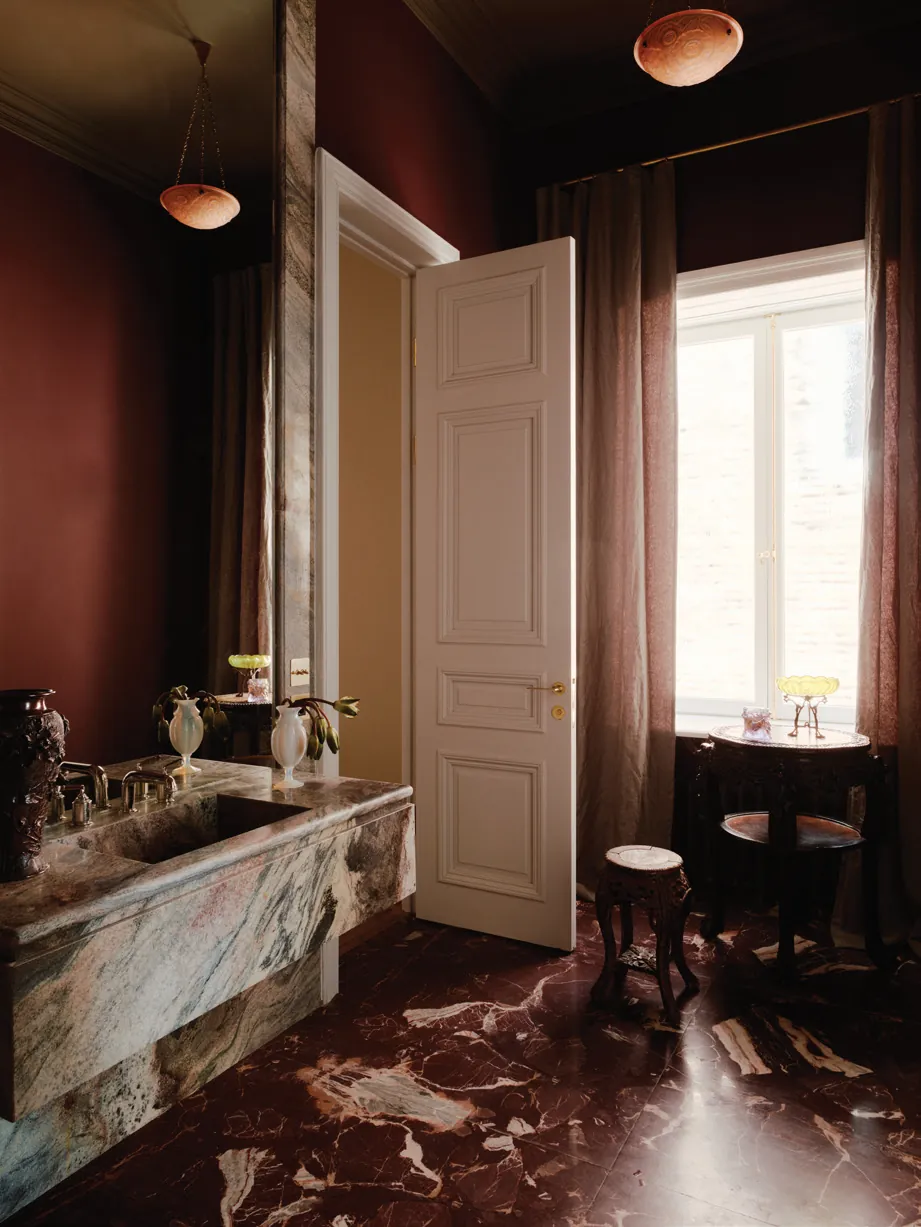
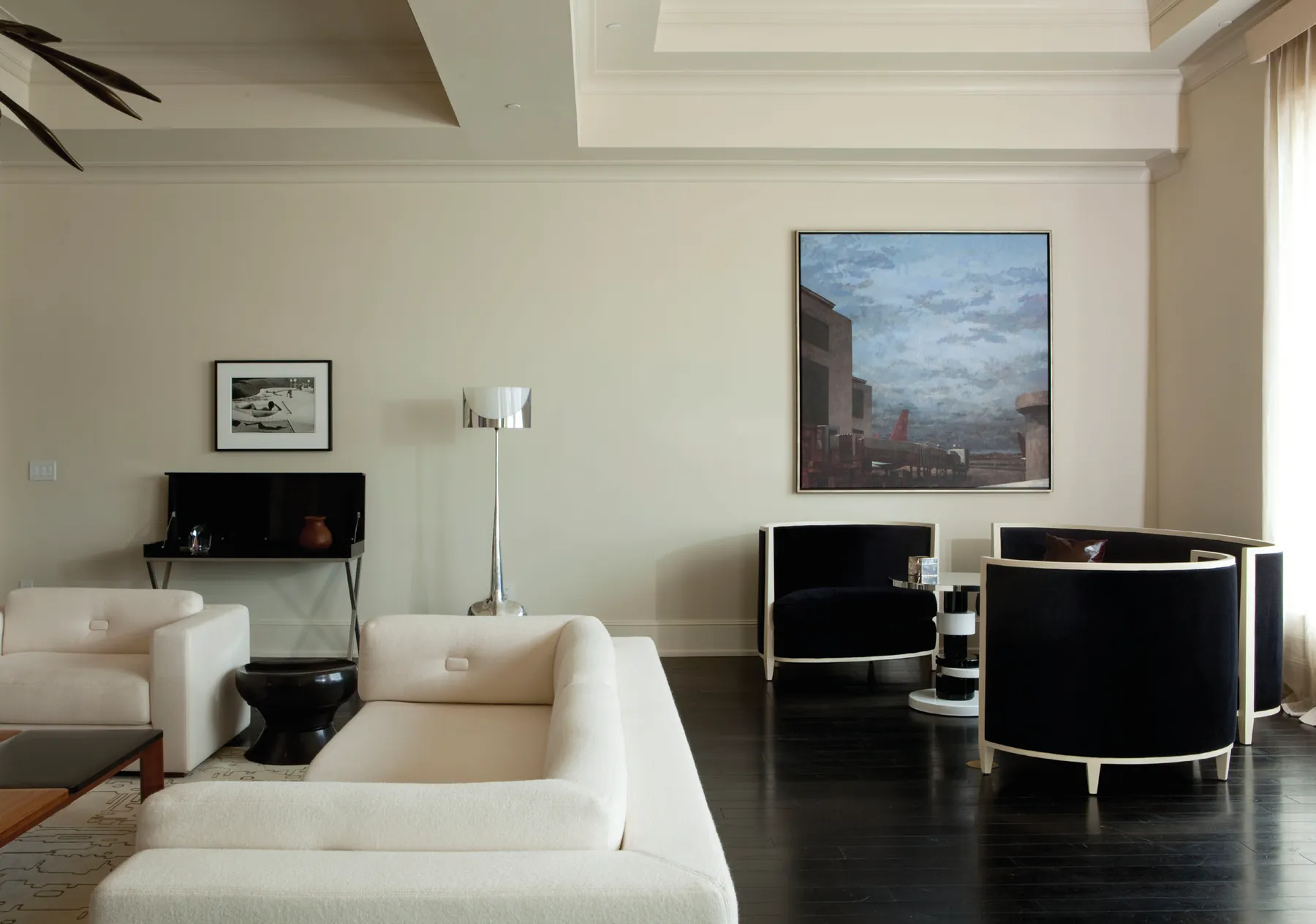
ATLANTA PARTHOUSE. PHOTO: ANTOINE BOOTZ
in Tbilisi, it truly moved me and gave me a great sense of pride that I had achieved something and shared my vision with the world. I am also starting a new residential project on the outskirts of Tbilisi.
What is the most special work of your life?
Perhaps the project in Tbilisi, which I mentioned earlier. My philosophy of life and the spirit of Tbilisi were in great harmony with the client’s character and personality. That is why I was able to share it with a wide audience.
What future collections or projects do you plan?
I plan to continue working together with my daughter, Nina Kilaberidze Line. Nina is also an interior designer. She has gained excellent professional experience with me and with well-known designers. She will soon join our company, and we will work internationally, in New York, London, and Georgia, whenever creatively interesting projects arise. In May, I am also planning to create a new furniture collection in Georgia.