A Perfect Day in Rome
The aroma of freshly ground coffee and warm croissants fills the air. The morning sun slowly illuminates the city’s golden facades, and Rome seems to awaken before your eyes. The perfect day in the Eternal City begins not in a crowded museum queue, but at the legendary Sant’Eustachio Il Caffe, just steps from the Pantheon, where centuries-old walls are infused with the scent of freshly roasted coffee beans.
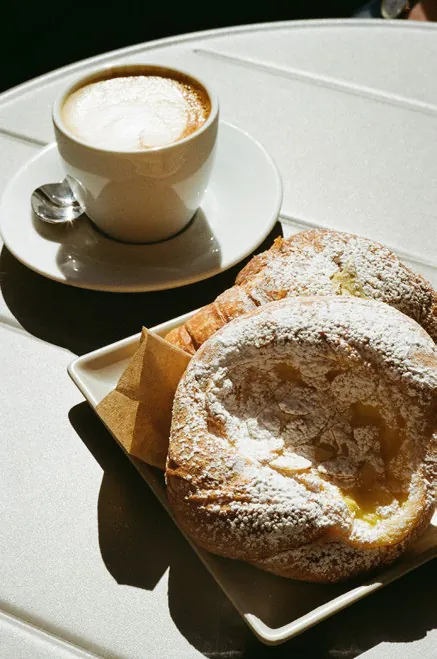
Observe a local ritual: a true Roman rarely sits down for coffee. Instead, they step up to the counter, enjoy a quick espresso while exchanging a few words with the barista about football or the weather, and pair it with a freshly baked cornetto, Italy’s version of a croissant.
And here’s the secret that instantly distinguishes a local from a visitor: for Italians, cappuccino exists only until 11:00 AM, as milk-based coffee is traditionally viewed as part of breakfast. Order a cappuccino in the afternoon - or, even worse, after dinner - and you may receive a puzzled look followed by an amused smile. After a meal, the preferred choice is a strong espresso.
After exploring the sunlit ruins of the Colosseum and the Roman Forum, avoid the crowded restaurants surrounding the major tourist attractions. Instead, cross the Tiber River and head to Trastevere, one of Rome’s most vibrant and colorful neighborhoods. The streets here are so narrow that the laundry lines stretching between windows seem almost to touch the ivy climbing the centuries-old walls.
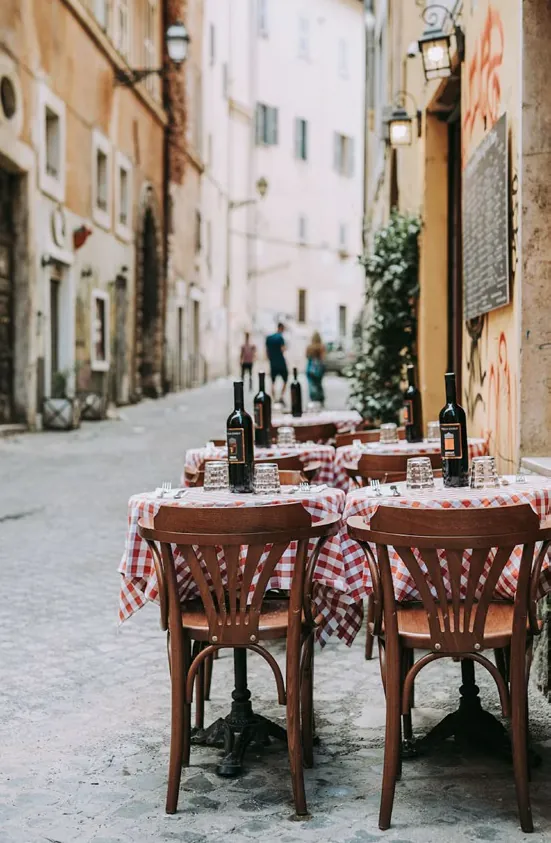
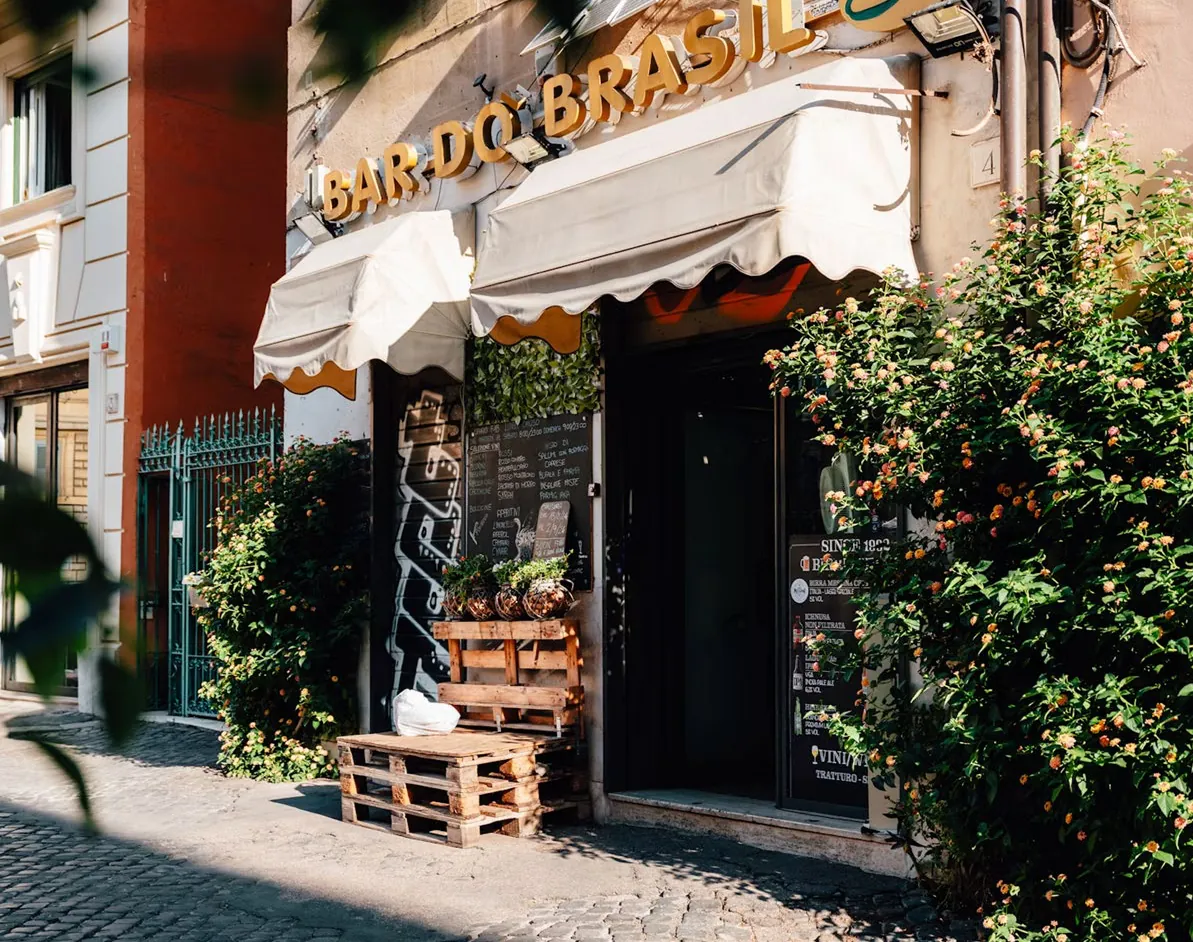
Find a traditional trattoria with wooden tables and a welcoming atmosphere. These family-owned restaurants offer an authentic glimpse into Roman life and may even remind you of the warmth and simplicity of old Tbilisi taverns.
Among Trastevere’s historic streets, you will encounter the Rome immortalized by the legendary Anna Magnani, who was not just an actress, but the spirit of Rome itself: proud, outspoken, tragic, and incredibly warm. Through her unforgettable role in “Rome, Open City”, she showed the world that the true strength of this city lies in its ordinary people - their resilience, honesty, and determination.
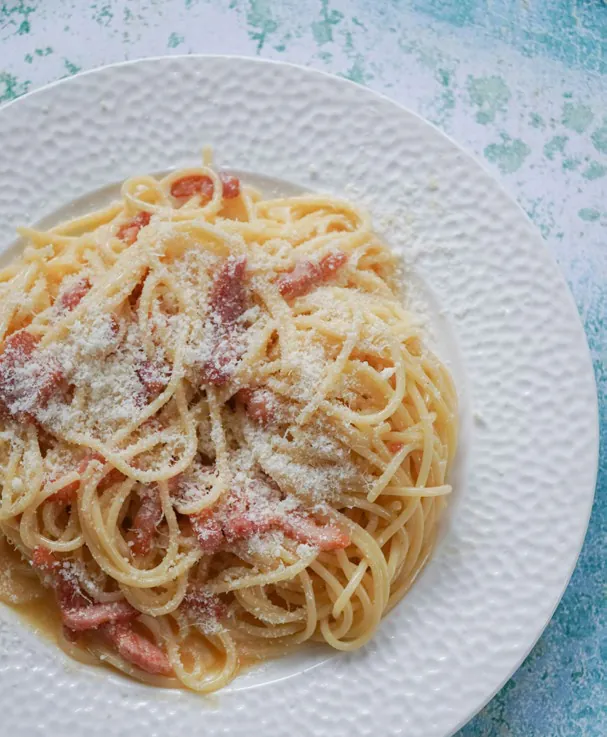
Now it is time to order one of Rome’s most iconic culinary treasures. The city is famous for four classic pasta dishes: carbonara, amatriciana, gricia, and cacio e pepe.
If you choose carbonara, prepare to forget many common misconceptions. Authentic Roman carbonara contains no cream. The traditional recipe relies solely on egg yolks, guanciale, and Pecorino Romano cheese.
As the city settles into its leisurely afternoon rhythm and nostalgic melodies drift from cafes, you begin to understand that in Rome, beauty and taste are inseparable. Culinary pleasure is only a short step away from some of the world’s greatest artistic treasures. Before the cool evening breeze arrives, dedicate some time to the city’s artistic heritage.
Many visitors spend hours waiting in line to enter the Vatican Museums and admire Michelangelo’s masterpieces. While the Sistine Chapel is undoubtedly extraordinary, one of Rome’s greatest charms is discovering worldclass art in quieter, less crowded settings.
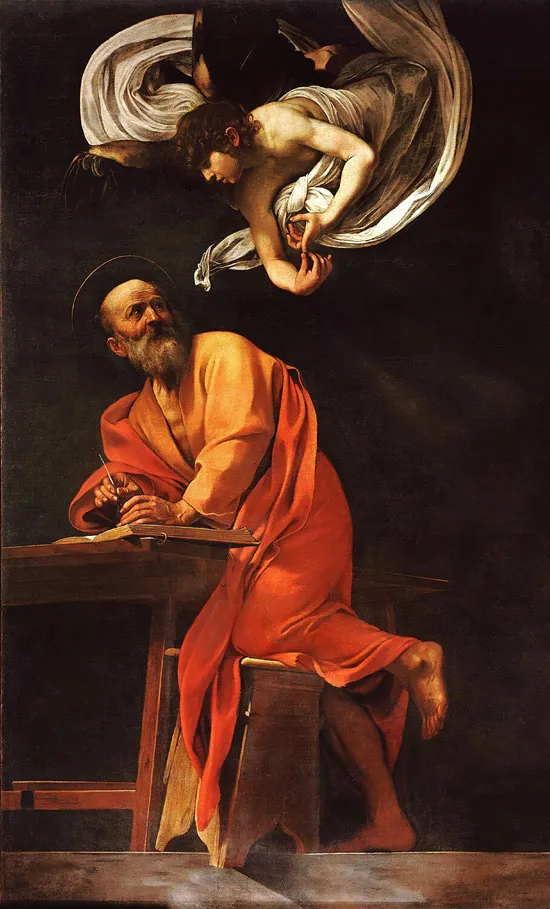
Caravaggio for Free: Visit the Church of Santa Maria del Popolo in Piazza del Popolo. Inside one of its intimate chapels, without tickets or crowds, you can admire two original masterpieces by Caravaggio, one of the most influential and controversial artists in history.
Marble that Breathes: If you’re looking for refined luxury, be sure to visit the Galleria Borghese. Bernini’s sculptures are so extraordinary that the marble seems almost alive. It appears soft like human skin, as though it could hold the impression of a fingertip.
From there, travel forward in time to a completely different artistic landscape. The Ostiense district has become one of Rome’s most celebrated centers of contemporary street art. The walls of former factories and industrial buildings are covered with enormous murals by internationally renowned artists, creating a striking contrast with the ancient Rome of the Colosseum.
As you explore this open-air gallery, you will discover another defining feature of Ostiense: the aroma of freshly baked Roman pizza. Settle into one of the neighborhood’s stylish pizzerias and prepare for a distinctly Roman culinary experience.
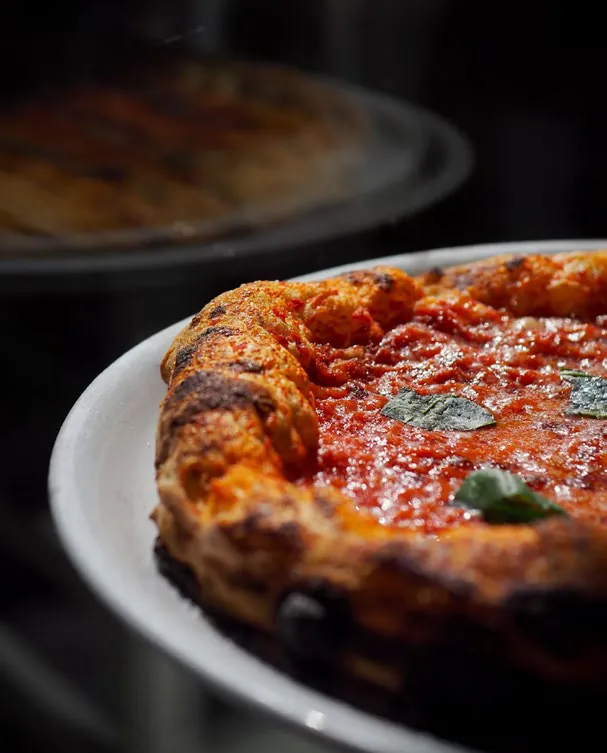
If you believe pizza tastes the same everywhere, a Roman would strongly disagree. Neapolitan pizza is soft, thick, and airy, while traditional Roman pizza, known as Scrocchiarella, is exceptionally thin, golden, and crisp. Its delicate crust produces a satisfying crunch with every bite, while remaining surprisingly light.
No Roman dinner, however, is complete without dessert. Italians seem to follow an unwritten rule: no matter how full you are, there is always room for gelato.
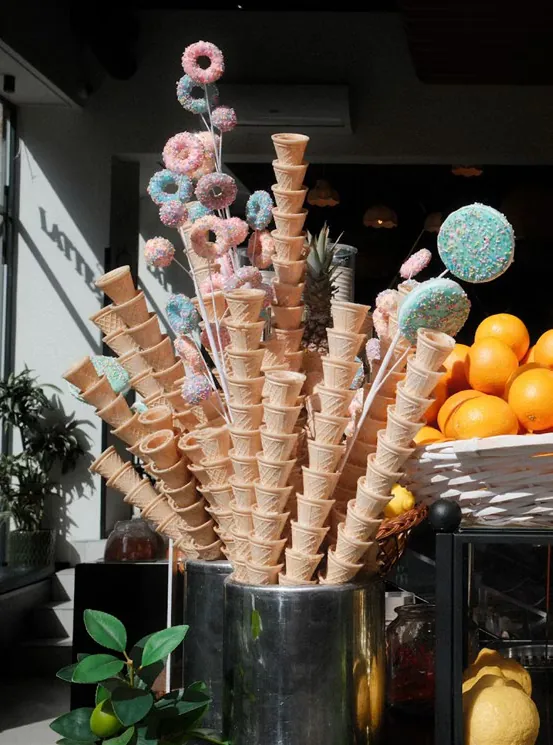
Gelato shops can be found on nearly every corner in Rome, but many cater primarily to tourists. Authentic artisanal gelato is rarely displayed in towering, brightly colored piles. If pistachio gelato is vivid green or strawberry gelato is bright pink, consider it a warning sign. Real gelato is often stored in covered metal containers, and its colors tend to be natural and understated. Genuine pistachio gelato, for example, is usually a muted earthy green.
As you enjoy the final spoonful, the city begins to change once again. Evening descends over Rome. The sun slowly disappears behind the Aventine Hill and its orange gardens, church domes glow in warm golden light, and street lamps illuminate the city one by one. This is the magical moment when the fast pace of the day gives way to a calm and melodic evening. Find a table in a small piazza cafe, order an Aperol Spritz or a glass of Italian wine, and simply watch as Rome comes alive after dark.
At moments like these, it becomes easy to understand why the city has inspired generations of filmmakers. One almost expects Audrey Hepburn and Gregory Peck to appear around the corner on a Vespa, just as they did in “Roman Holiday”. The film showed the world that Rome is not only a city of history, but also a city of irresistible romance.
As night settles over the Eternal City, make your way to the Aventine Hill and Parco Savello. Here, the air carries the warm scent of citrus and pine. From the terrace at the edge of the garden, you can enjoy one of Rome’s most beautiful views, with the Tiber River stretching below and the illuminated dome of St. Peter’s Basilica rising on the horizon.
A short walk away lies one of Rome’s most intriguing secrets: the famous keyhole of the Knights of Malta. Looking through it feels like taking part in a secret ritual. Through the tiny opening, St. Peter’s Basilica appears perfectly framed by green hedges, like a scene from a miniature painting.
The charming cafes and terraces surrounding the Aventine provide the perfect setting to reflect on the day with a final cocktail in hand, whether an Aperol Spritz or a classic Negroni. This is “dolce far niente”, the sweet art of doing nothing. Experience it without guilt. Watch the sunset, listen to the distant sounds of the city, and allow yourself to simply be present. Because Rome is more than a destination. It is a feeling that stays with you forever. Trust the city, follow its streets, and let them lead you toward your own perfect Roman day. კბილის დაჭერაზე ხმა უნდა ჰქონდეს. მისი ჰაეროვანი ცომი პირში დნება და გიტოვებთ შეგრძნებას, რომ იტალიური გასტრონომიის მწვერვალს შეეხეთ.