Demna Gvasalia’s Historic Debut as Gucci’s Creative Director
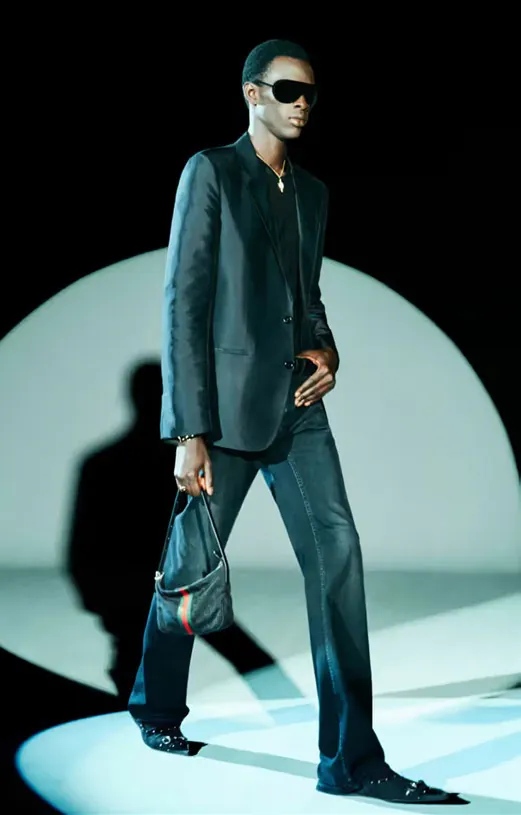
On February 27, 2026, the fashion industry witnessed one of its most significant moments during Milan Fashion Week. Demna Gvasalia made his debut as the creative director of Gucci. The show at Palazzo delle Scintille was far more than the presentation of a new collection. It was a moment the fashion world had been waiting for nearly a year.
Ever since Gucci announced Demna’s appointment, the industry was focused on one key question: What would his Gucci look like, and would he be able to bring new energy back to the brand?
There was good reason for this curiosity. Following the departure of Demna’s predecessor, Alessandro Michele, the brand faced a challenging period. Sales declined, creating a significant concern for Kering, for which Gucci remains one of its most important assets. The future of the brand was entrusted to Demna Gvasalia, a designer who has had a profound influence on contemporary fashion through his work at Vetements and Balenciaga.
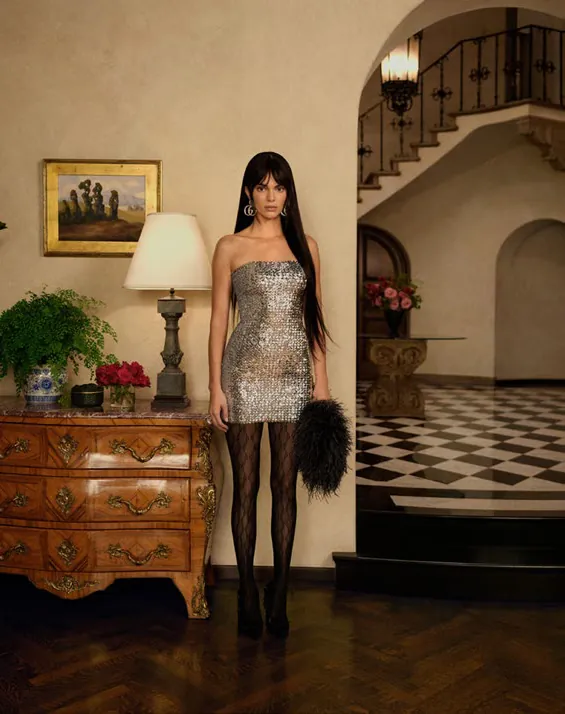
Before fashion enthusiasts saw his first collection on the runway, Demna had already created several projects for Gucci. “La Famiglia” and “Generation Gucci”, presented in 2025, were released as lookbooks rather than traditional runway shows and offered the first glimpses of the designer’s vision for the house. “La Famiglia”, accompa- nied by a short film by Spike Jonze starring Demi Moore, attracted particular attention. These projects made it clear that Demna respected Gucci’s heritage while intending to reinterpret it through his own vision and distinctive creative signature. As a result, anticipation for his first full-scale runway show was especially intense.
By the day of the event, Palazzo delle Scintille had been transformed into something resembling a museum. The venue was decorated with replicas of Roman statues inspired by those in Florence’s Uffizi Gallery, creating a striking contrast between classical art and the contemporary collection.
Renowned models including Kate Moss, Anok Yai, and Alex Consani appeared on the runway. Kate Moss, the iconic supermodel of the 1990s, drew particular attention. Her long, dramatic gown reminded many observers of Gucci’s Tom Ford era and became one of the evening’s most memorable moments.
The audience included some of the most influential figures in the fashion industry. Seated in the front rows were Anna Wintour, Donatella Versace, Paris Hilton, Nicky Hilton, Shawn Mendes, editors of leading international publications, stylists, and senior executives from Kering.
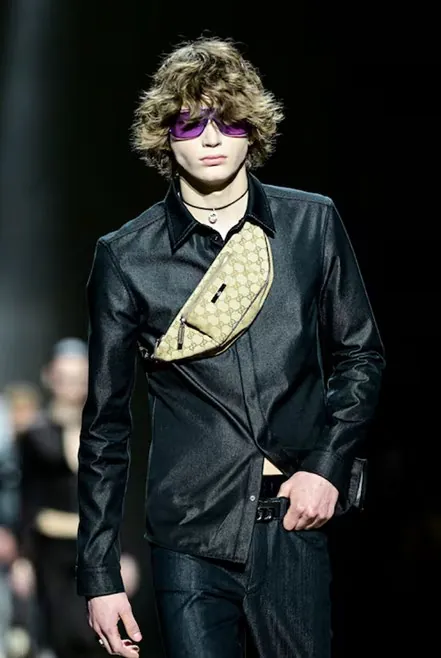
As for the collection itself, it differed significantly from the oversized silhouettes that had become closely associated with Demna over the years. This time, the emphasis was placed firmly on the female silhouette. The runway featured short dresses, fitted tailoring, skinny jeans, shimmering suits, high heels, and asymmetrical T-shirts.
The collection was confident, sexy, and provocative. Many critics noted that Demna successfully channeled the energy of Gucci’s Tom Ford era into a contemporary context while preserving his own unmistakable signature.
Vogue described the collection as an intriguing blend of 2000s glamour and contemporary culture. Some critics believe that Demna had restored Gucci’s lost confidence and returned the brand to the center of fashion’s most relevant conversations. Others observed that the collection reflected Demna’s personal vision more strongly than Gucci’s traditional identity.
For many, the show on February 27, 2026, was far more than the presentation of a new collection. It marked the moment when Gucci officially opened a new chapter in its history, and Demna Gvasalia once again proved that he remains one of the most influential figures in contemporary fashion. The global fashion industry is now watching closely to see how this ambitious new era for both Gucci and the Georgian designer unfolds.