Jams, Tkemali, and Pickles – Preparing for Winter
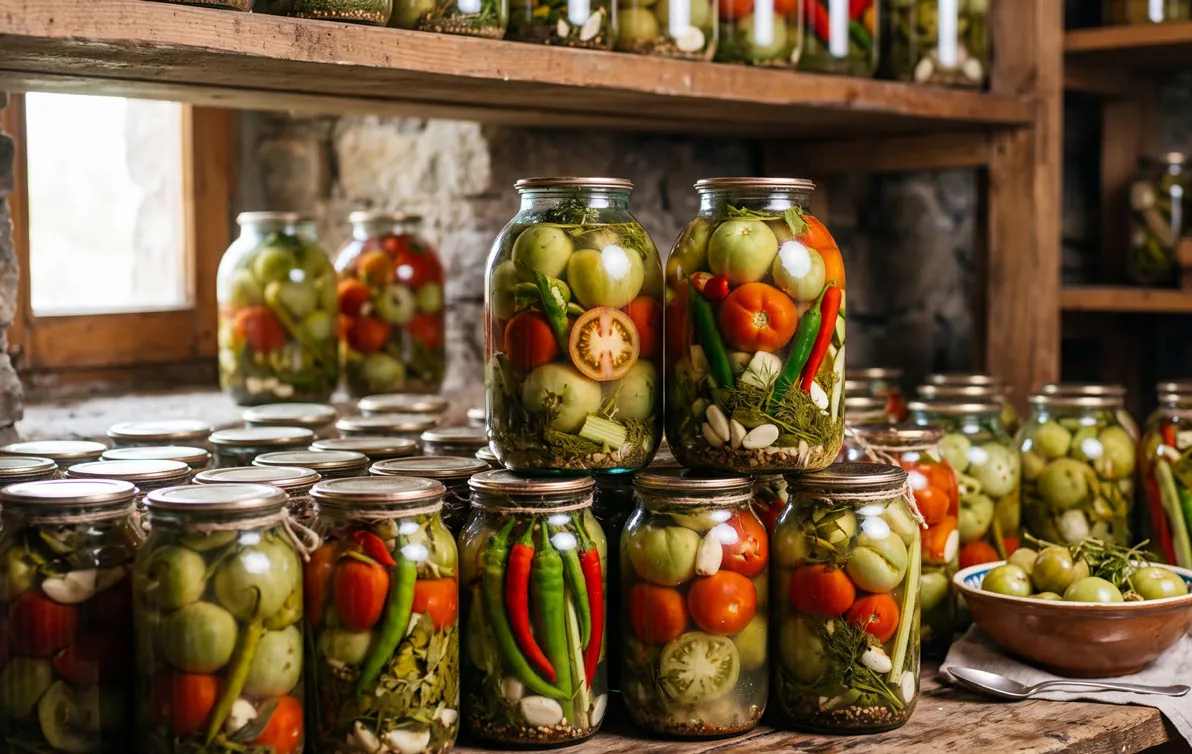
Georgian cuisine is known for its variety of dishes, distinctive flavors, and centuries-old traditions. An important part of Georgian cooking has always been preserving seasonal produce so that it can be enjoyed throughout the year. This tradition lies behind the preparation of jams, tkemali sauces, and different kinds of pickles.
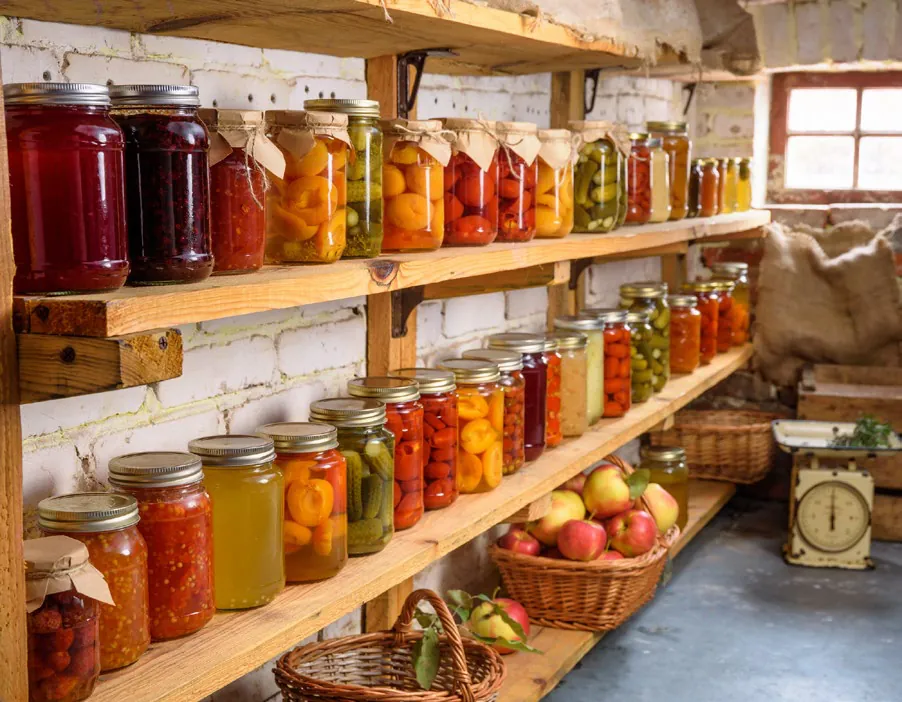
During the fruit and vegetable harvest season, families across Georgia traditionally prepared supplies for the winter months. Sweet fruits were preserved as traditional Georgian jams, known as “muraba”, tkemali plums were made into a tart, aromatic sauce, and vegetables into a variety of pickles. Each region had its own methods, ingredients, and distinctive flavors.
Before modern refrigerators and food-preservation methods existed, one way of keeping the autumn fruit harvest for winter was to cook fruit in honey or sugar syrup. The high sugar content helped preserve it for lon- ger. As sugar became more widely available, the variety of jams also grew.
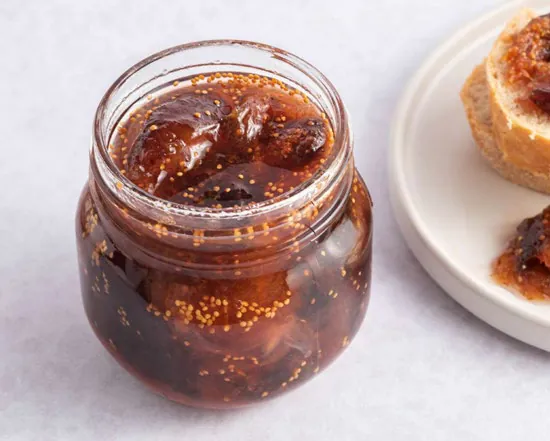
Jam-making holds a special place in traditional Georgian home cooking. One of the main characteristics of Georgian jam is that it preserves the natural flavor and aroma of the fruit. Some varieties also include nuts and spices. Green walnut, quince, white cherry, fig, and sour cherry jams are especially known for their distinctive flavors.
Making jam was not simply a practical way of preserving fruit. Over time, it also became part of Georgian family tradition. Today, jam remains a familiar part of the Georgian table and the country’s tradition of sweets and desserts.
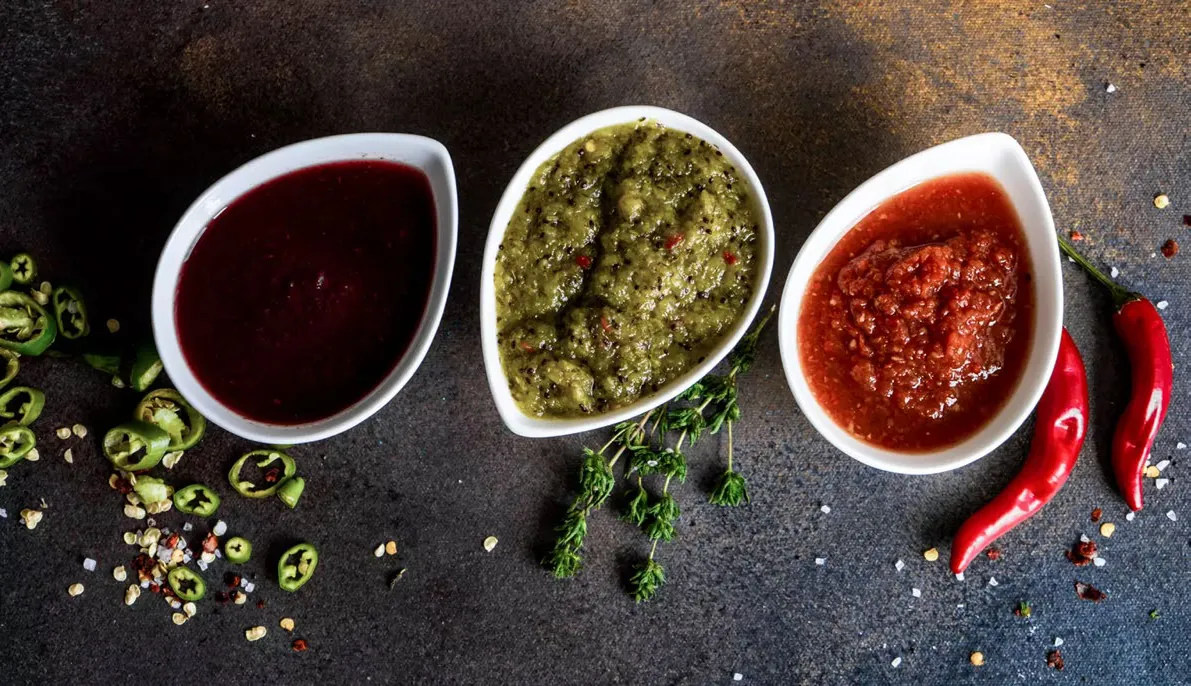
Georgian cuisine also has a wide variety of sauces. They add distinctive flavor, aroma, and tartness to different dishes, and many are prepared for the winter months. In Georgia, sauces are commonly made from tomatoes, tkemali plums, and other varieties of plums, with different herbs and spices added for flavor.
Tkemali is one of the best-known traditional sauces in Georgian cuisine. Its main ingredient is the tkemali plum, which can be used either ripe or slightly unripe. The plums are cooked and then combined with garlic, chili pepper, coriander, ombalo (pennyroyal), and other seasonings. Together, these ingredients give tkemali its characteristic tart, aromatic, and slightly spicy flavor.
Tkemali pairs particularly well with meat dishes. In Georgia, it is prepared seasonally and preserved in different ways so that its flavor can also be enjoyed during winter.
The variety of Georgian sauces also reflects the culinary traditions of the country’s different regions. Some are spicier, some are sweet and sour, while others are distinguished by particular herbs and spices. Their recipes and methods of preparation are often passed down from one generation to the next. Sauces, and tkemali in particular, are an important part of the Georgian table. They are not simply accompaniments to food, but a distinctive part of Georgia’s culinary culture and traditions.
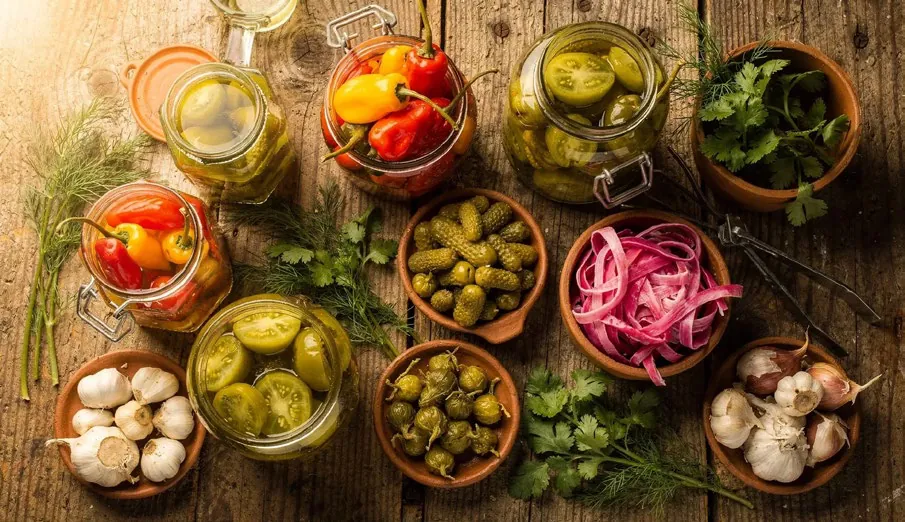
Pickles also hold an important place in Georgian cuisine. The tradition of making them developed over centuries, both from the need to preserve food and from the desire to bring greater variety to the Georgian table. In autumn, families begin preparing pickles for winter. Cucumber, tomato, pepper, garlic, and jonjoli pickles are all common in Georgia, and each is prepared in its own way.
Jonjoli holds a special place in Georgian cuisine. The plant is widespread in Georgia, and pickles made from its flower buds are considered a traditional accompaniment on the Georgian table. Before serving, jonjoli is usually dressed with oil and onion. Pickles are particularly well suited to meat and other rich dishes.
Jams, tkemali sauces, and pickles are an important part of Georgian culinary culture. The traditions of preparing them have developed over centuries and have been passed down from generation to generation.