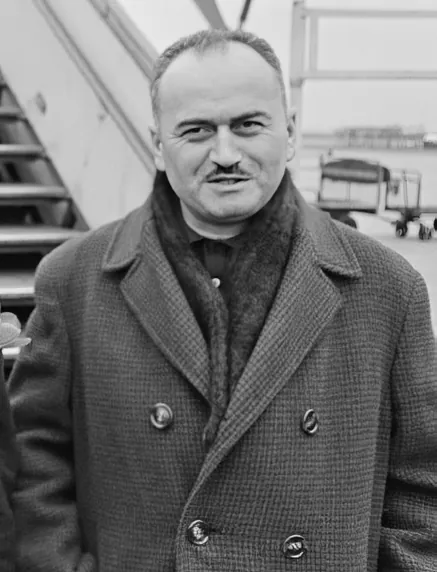
Rezo Chkheidze – Father of a Soldier
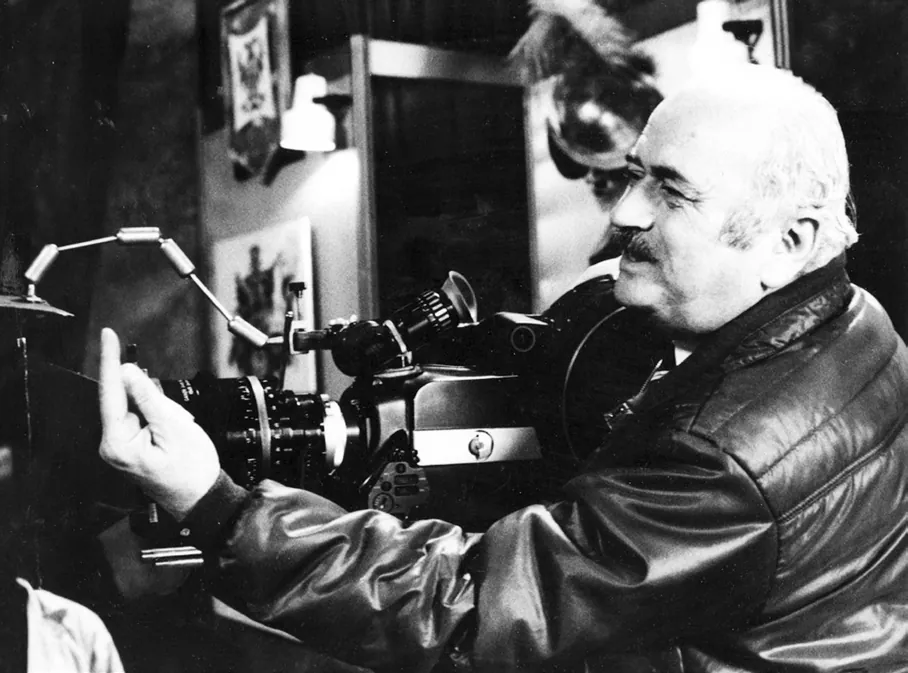
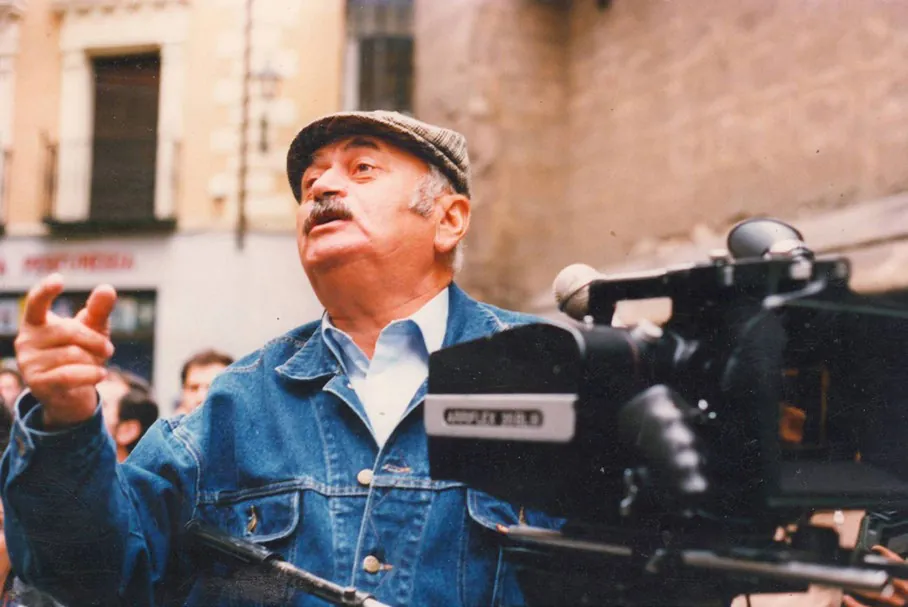
Many distinguished directors have left their mark on the history of Georgian cinema, and Rezo Chkheidze holds a special place among them. He was born on December 8, 1926, in Kutaisi.
From 1943 to 1946, Chkheidze studied at the Shota Rustaveli Theatre Institute in Tbilisi, now the Shota Rustaveli Theatre and Film Georgia State University. He later continued his studies at the State Institute of Cinematography in Moscow, graduating from the directing faculty in 1953. His career was closely connected with one of the most interesting periods in Georgian cinema. Chkheidze’s films explore love for people and country, kindness, friendship, and the ability to overcome the difficulties of life.
From 1973 to 2006, Rezo Chkheidze served as General Director of the Georgian Film studio. From 1974, he also taught at the Shota Rustaveli Theatre Institute. His contribution to cinema was recognized with numerous honors. In 1980, he was awarded the title of People’s Artist of the Soviet Union, and in 1986 he received the Lenin Prize. He was also named an Honorary Citizen of Tbilisi and received Georgia’s Order of Honor.
Rezo Chkheidze died on May 3, 2015. His work remains an important part of Georgian cinema today. His films continue to introduce new generations to Georgian culture and history, as well as to human values that remain meaningful regardless of time.
Chkheidze’s creative journey was closely connected with his friend and fellow filmmaker Tengiz Abuladze. Together they made one of the most important films in Georgian cinema, “Magdana’s Donkey” (1955), based on a story by Ekaterine Gabashvili. The film brought international recognition to Georgian cinema.
In the years that followed, Chkheidze directed a number of important films, including In Our Courtyard, The Treasure, Maia Tskneteli, Sea Path, Look at these Young People, and Father of a Soldier. It was the last of these that brought both the director and Georgian cinema widespread recognition.
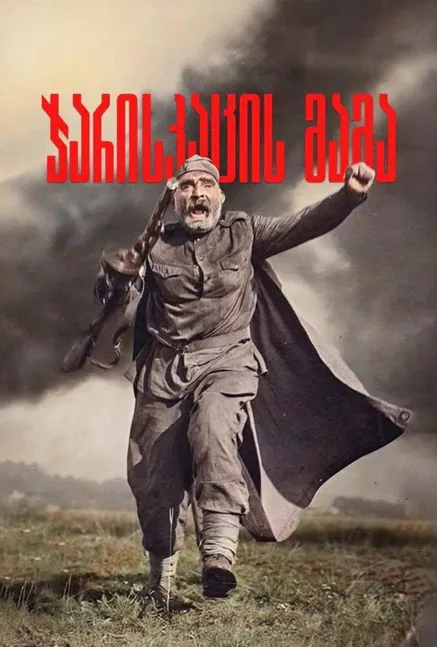
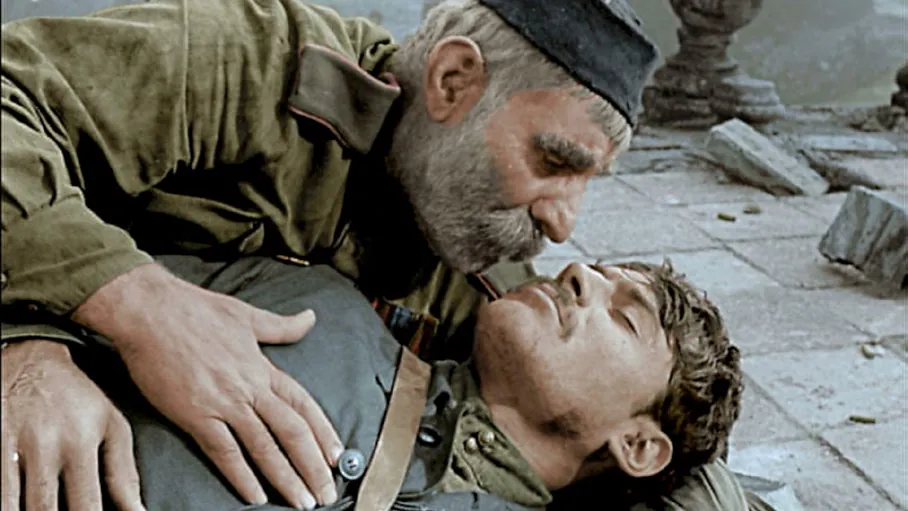
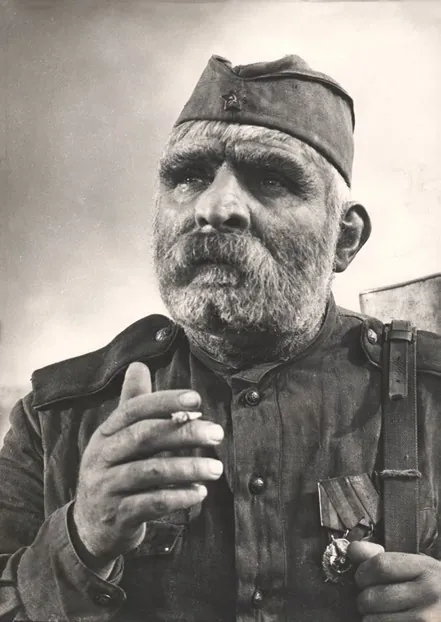
Rezo Chkheidze made “Father of a Soldier” in 1964. The film is set against the backdrop of World War II, but for the director, the story was about much more than the events of the war. It focuses on humanity, love, support for others, and the importance of peace. The film’s main character, Giorgi Makharashvili, became one of the most memorable characters in Georgian cinema. He was played by the great Georgian actor Sergo Zakariadze. Giorgi is a simple Georgian farmer who sets out for the front to see his wounded son. But once caught up in the war, his journey becomes about more than finding his own child. He begins to share the fate of the other soldiers and fights alongside them.
One of the film’s most powerful moments is the scene in which a tank is about to drive over a grapevine. As a Georgian farmer, Giorgi Makharashvili is deeply affected by what he sees, because to him the vine is much more than a plant. The vine is a symbol of life, work, and a peaceful way of living. It represents years of human effort, a connection to the land, and hope for the future. War, by contrast, threatens to destroy all of this. The tank approaching the vine becomes a symbol of violence and destruction. Its heavy tracks are about to crush not only a plant, but also the results of human labor, dreams, and hope for the future.
Giorgi Makharashvili’s reaction is central to the scene. He cannot accept that a machine of war might destroy the vine. For him, as for Georgians more broadly, the vine is a symbol of identity, reflecting a deep love of the land and the freedom of the nation. His reaction shows his respect for human labor and for the values that war has placed in danger. The scene reminds us how precious peace is and how easily war can destroy what people have spent years building.
The vine also remains a symbol of hope – hope that peaceful life can begin again after the war. This is what makes the scene one of the film’s strongest and most memorable moments.
Rezo Chkheidze’s “Father of a Soldier” is an important part of Georgian cinema’s legacy. In Giorgi Makharashvili, we see a man who, despite the cruelty of war, is able to hold on to kindness, love, and compassion. This is why the film remains relevant decades later, reminding audiences of the value of family, human connection, and peace.