Why Do Passenger Aircraft Fly at Specific Altitudes?
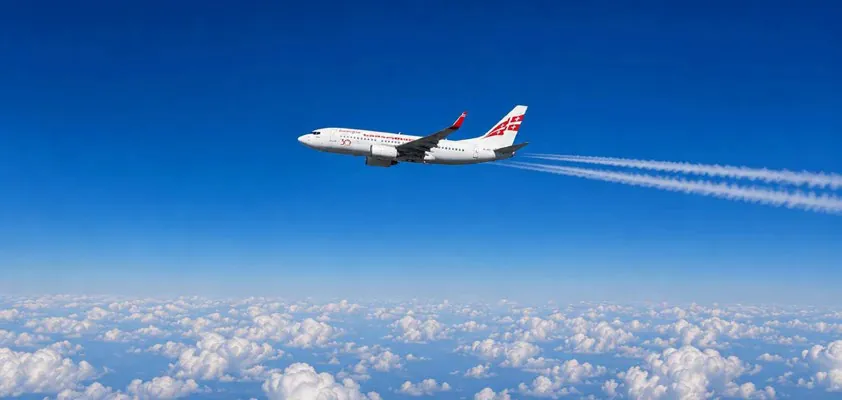
Passenger aircraft typically fly at altitudes of around 9 – 12 kilometers (30,000 – 40,000 feet). This range is not chosen at random. Several factors determine flight altitude, including the aircraft’s weight, flight duration, weather conditions, air traffic, and other operational considerations.
The higher an aircraft climbs, the less dense the air becomes. In less dense air, the aircraft encounters less aerodynamic drag, helping improve fuel efficiency during the cruise phase. However, flying at very high altitudes also has its limitations. Engine performance, the lift generated by the wings, and the aircraft’s maximum operating altitude must all be taken into account.
The optimal altitude can change during a flight. At the beginning of the journey, the aircraft is heavier due to its fuel load. As fuel is consumed, the aircraft becomes lighter, and under certain conditions, climbing to a higher altitude becomes more efficient. This is known as a “step climb” – a gradual ascent to higher cruising altitudes as the flight progresses.
So, an aircraft’s altitude is not chosen at random. It is determined by considerations of flight efficiency, safety, and air traffic requirements.