Tbilisoba is a Celebration of Brotherhood and Friendship, where Brothers Reunite and Friends Express Their Love for One Another
As the leaves fall from the trees, painting Tbilisi in golden hues, the city fills with the sound of rustling. The reason for this is Tbilisoba—a holiday dedicated to the capital city, celebrated equally by everyone for whom Tbilisi is not just a place to live but an integral part of their culture.
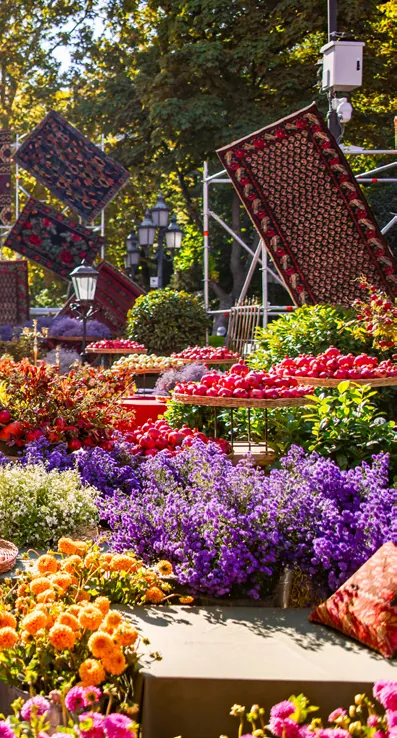
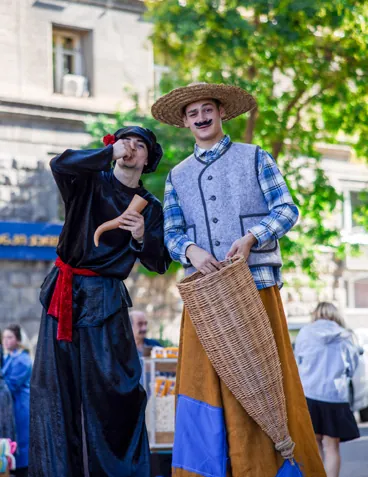
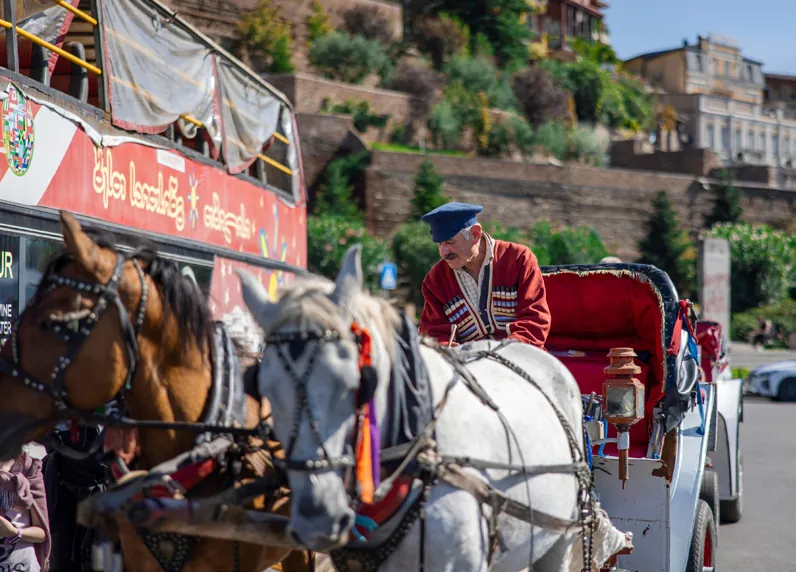
Tbilisoba is celebrated every year in October, with various activities taking place in the historical districts of the capital. It is a beloved holiday for both adults and children. In the historic neighborhoods of Tbilisi, you will encounter Karachoghelis, Kintos, and people dressed in traditional clothing, along with individuals riding boats on the Mtkvari River and strolling through the streets in phaetons. Mtsvadi is grilled, grapes are pressed in the wine press, and toasts are made generously. In short, Tbilisoba is celebrated with rich Georgian traditions.
During the October celebration, there is an exhibition and sale of handmade souvenirs, along with opportunities to taste distinctive Georgian cuisine. One of the day’s highlights is the Churchkhela-making process. Additionally, the event includes theatrical performances, various sports competitions, and a gala concert. Traditionally, the day concludes with the awarding of honorary citizens of Tbilisi. This title is given to Georgian citizens for their exceptional contributions to the city, as well as for long-standing, exemplary service and high professional skill in the country’s development. Foreign citizens are also recognized for their special contributions to Georgia and Tbilisi.
The history of Tbilisoba began on October 28, 1979. At that time, Tengiz Menteshashvili was the first secretary of the city committee. During one of the meetings, Shota Kavalashvili, the chief architect of Tbilisi, presented a plan for the restoration of old Tbilisi. It was at this meeting that the idea of introducing a capital city holiday was first proposed. At the time, district-level celebrations were held throughout Georgia. Tengiz Menteshashvili suggested the concept of Tbilisoba as a culminating event that would bring together all these district holidays. The idea was approved, marking the beginning of Tbilisoba’s history.
In ancient times, rugs were hung on Tbilisi balconies, and local noblewomen would look out from them. Peasants would bring food from their villages, showcasing various regional specialties from across Georgia in the capital.
At the first Tbilisoba, every corner of Georgia was represented in old Tbilisi, including Abanotubani and Rike. The celebration showcased ensembles and cuisines from different regions. The incomparable “Sukhishvilebi” performed traditional dances, while members of the “Rustavi” ensemble sang.
At the first Tbilisoba Festival, the title of Honorary Citizen of Tbilisi was awarded to four individuals: People’s Artist of Georgia Lado Gudiashvili, blacksmith and hero of socialist labor Konstantine Iluridze from the Electric
Car Repair Factory, linguist and academician of the Academy of Sciences of Georgia Akaki Shanidze, and Honored Teacher of Georgia Shushana Chikovani.
In his speech at the 1981 Tbilisoba celebration, Tengiz Menteshashvili described Tbilisoba as a celebration of brotherhood and friendship, where brothers reunite and friends express love for one another.
Tbilisi has always been a city where people of different cultures and beliefs live side by side. This diversity is reflected in the Tbilisoba holiday, which has always been and continues to be, a celebration of this rich cultural blend.
In the 1990s, the annual Tbilisoba celebration was paused due to the difficult situation in the country. However, the tradition was revived in 1995 after a fiveyear hiatus. The pandemic also impacted the event; Tbilisoba could not be held in 2020, and an online concert planned for 2021 was canceled due to the tragedy in Batumi.
In modern times, the celebration Tbilisoba has remained largely the same, but the celebration has evolved to include many theatrical performances, sports competitions, and concerts.