Dadiani Palace
A Symbol of Grandeur and Cultural Heritage
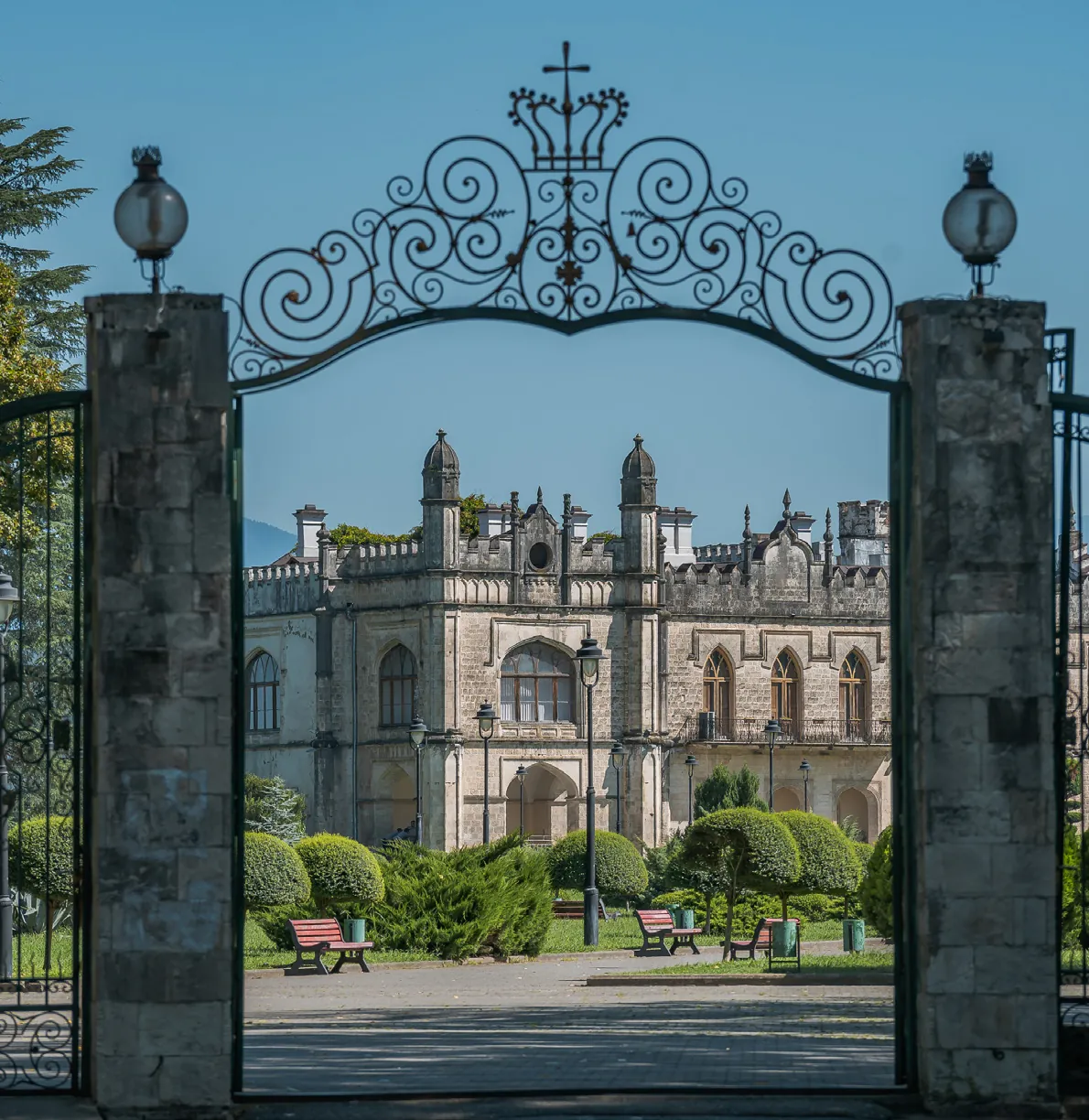
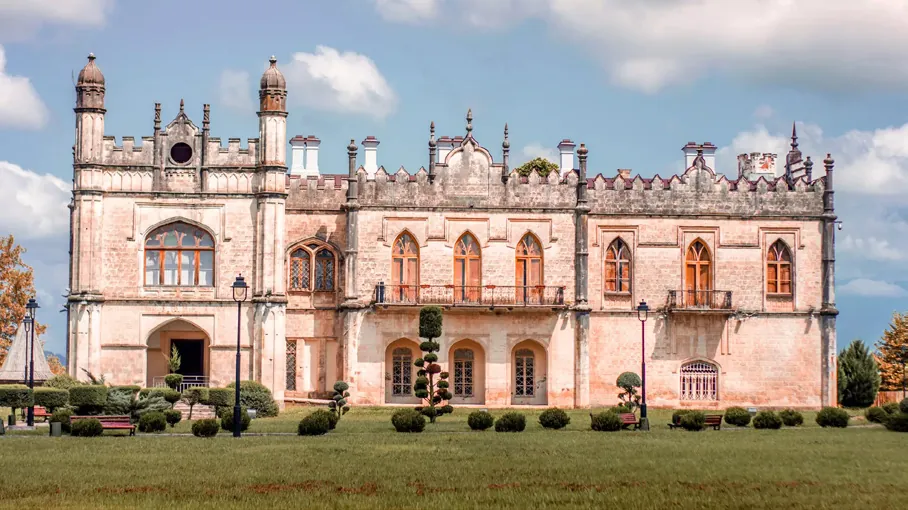
Nestled in the picturesque heart of Samegrelo, in Zugdidi, western Georgia, Dadiani Palace stands as a symbol of grandeur and cultural significance. Once a seat of power, the palace played a vital role in Georgia’s history and continues to be one of the country’s most treasured landmarks.
The Dadiani family was one of the most influential and powerful noble dynasties in western Georgia. For centuries, they ruled the Principality of Samegrelo, shaping the political, military, and cultural history of Georgia.
Originally built in the 17th century as a noble residence, the palace was initially modest in scale and primarily served a defensive function. However, during the 19th century, under the rule of David Dadiani, the palace underwent extensive renovations and expansions. It was redesigned in the Neoclassical and Baroque styles, blending European architectural influences with Georgian traditions.
Renowned European architects were commissioned to oversee the reconstruction. Notably, more than 5,000 handmade decorative elements and over 50,000 Colchian ornaments were crafted for the balconies and ceilings alone, features that continue to captivate both locals and visitors.
In 1840, a botanical garden was established around the palace. Designed in the French style by a renowned landscape architect, who was invited by the queen, the garden spans 67 hectares and features a diverse collection of rare and exotic plants.
A reflection of sophistication and refinement, the palace owes much of its aesthetic elegance to Ekaterine Chavchavadze-Dadiani, the last Queen of Samegrelo and the palace’s distinguished mistress, whose impeccable taste is evident in every detail.
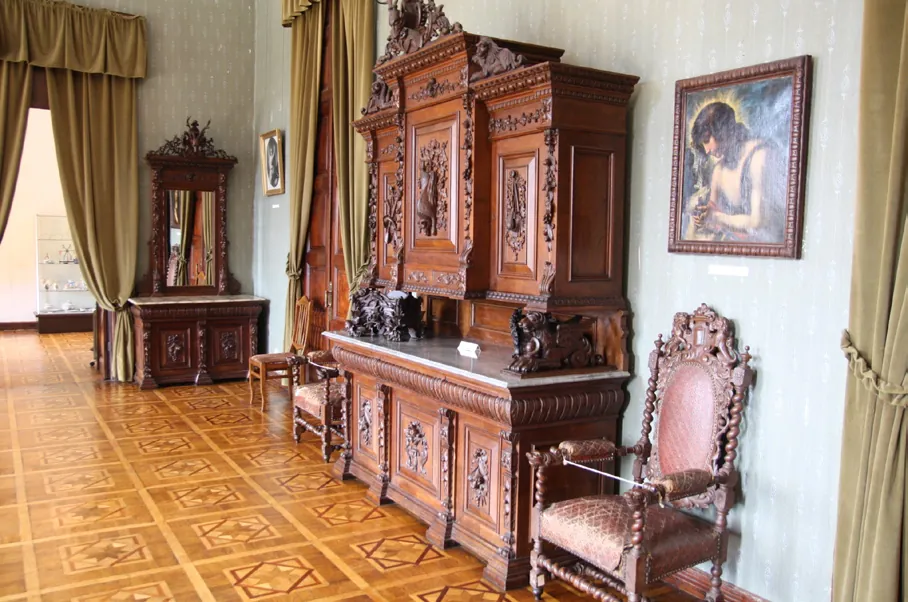
Adjacent to the Queen’s residence, the palace of her son, Niko Dadiani, was later constructed. This structure is no- table for its grand ballroom, which became a cultural hub where European scholars, diplomats, and artists frequently gathered. Following his father’s vision, Niko Dadiani later expanded the palace interiors, the library, and the magnificent gardens, further enhancing its splendor.
During the Soviet era, Dadiani Palace was transformed into a state museum, a function it still serves today. It houses a remarkable collection of historical artifacts, archives, and artworks, including The Death Mask of Napoleon Bonaparte, one of only three copies in existence worldwide, signifying the Dadianis’ familial ties with the French emperor; The Robe of the Virgin Mary, a sacred relic brought from Byzantium, which remains one of the most revered treasures in Georgian Orthodoxy.
Each year, on July 15, during the feast of “Vlakernoba,” the Virgin Mary’s Robe is ceremoniously transferred from the Dadiani Palace Museum to the nearby Dadiani Court Church, where Orthodox pilgrims from around the world gather to venerate this sacred relic.
Today, Dadiani Palace stands as one of Georgia’s most significant museums, attracting visitors with its rich historical exhibitions and breathtaking architecture. The palace complex, which includes the main palace, the royal church, and the botanical gardens, is not only an architectural masterpiece but also a testament to Georgia’s aristocratic and cultural heritage.
Its history reflects a unique fusion of Georgian traditions and European influences, making Dadiani Palace an unparalleled cultural landmark and a must-visit destination for those eager to explore Georgia’s royal legacy.