Georgia’s History Told Through the Alphabet
SHOTA SAGANELIDZE
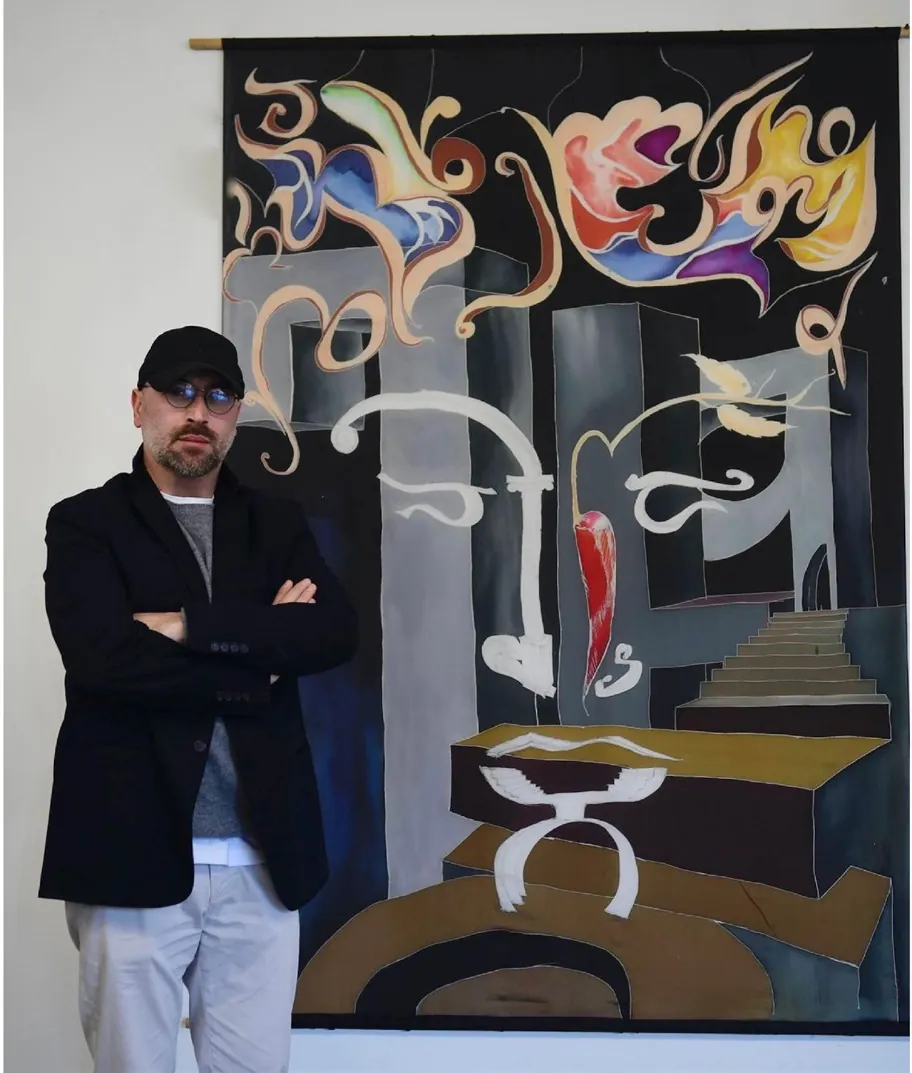
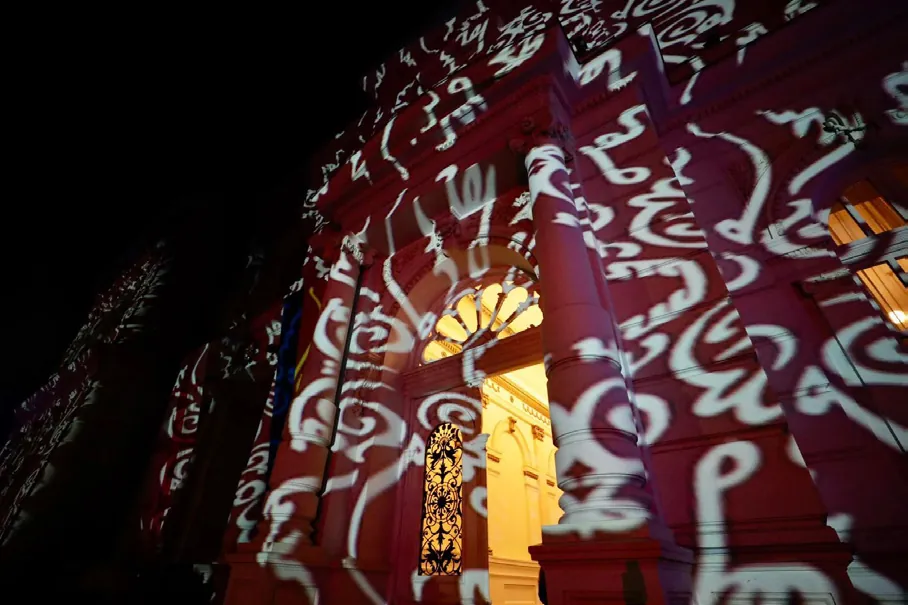
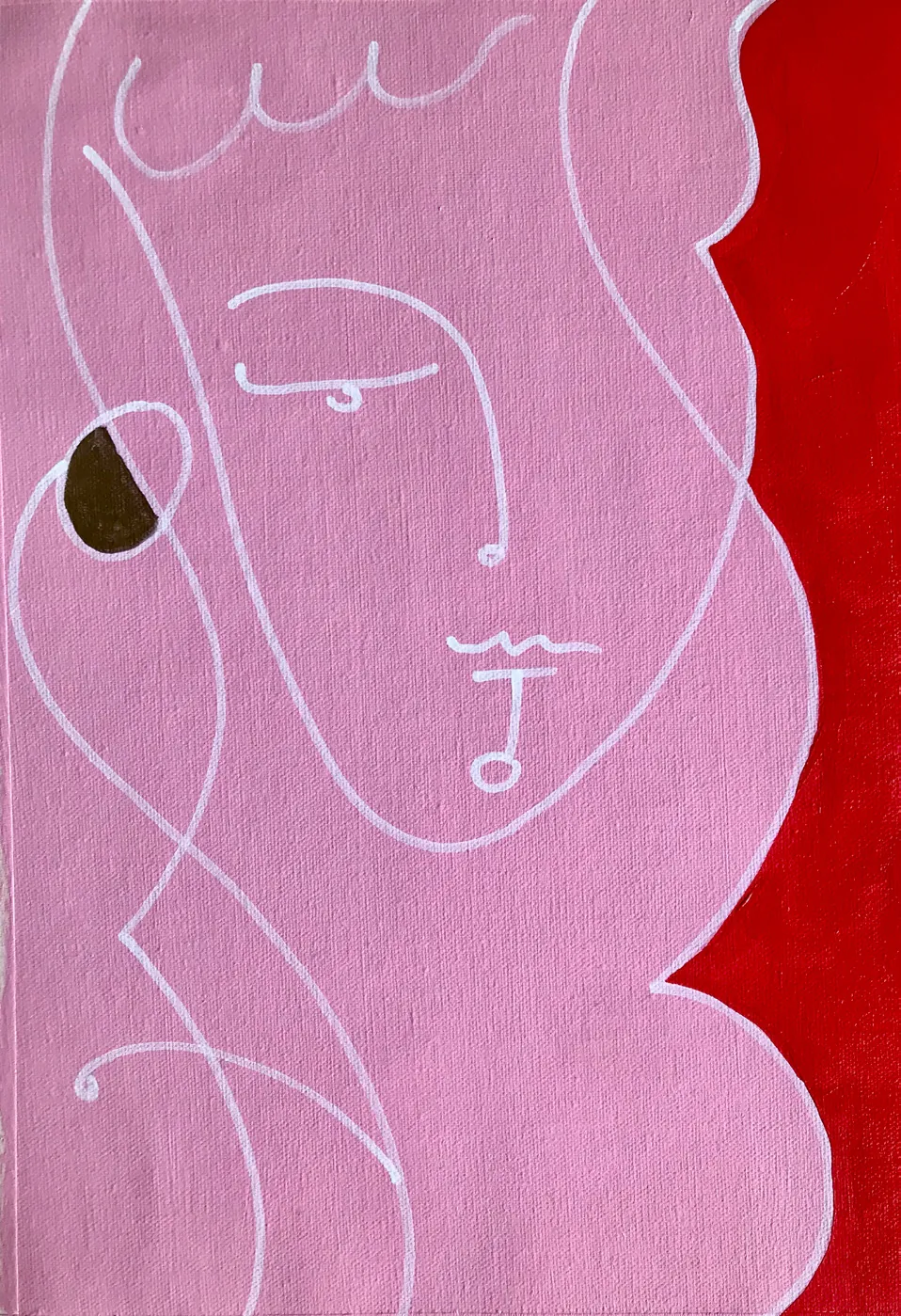
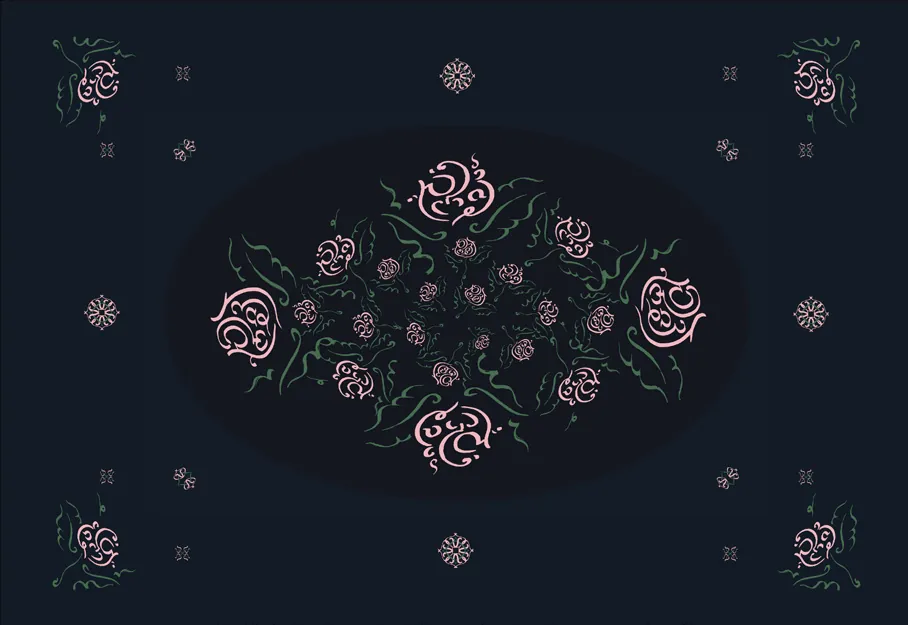
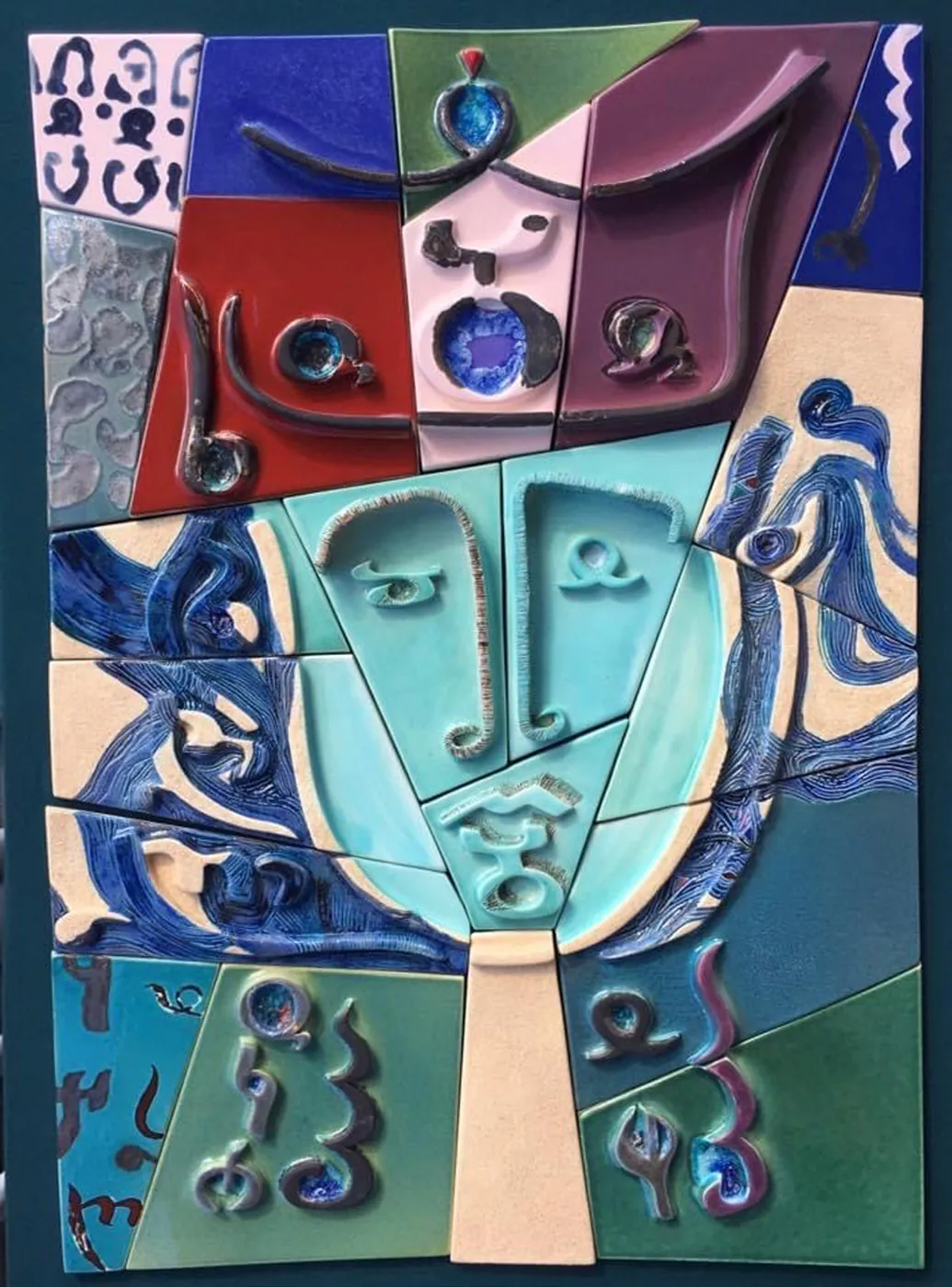
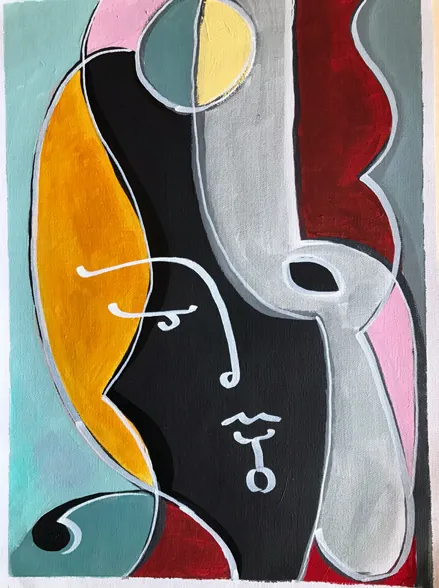
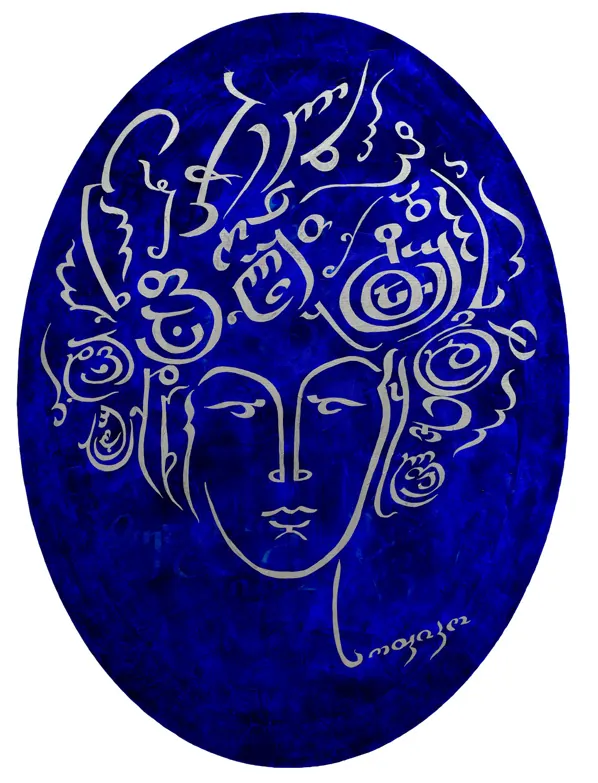
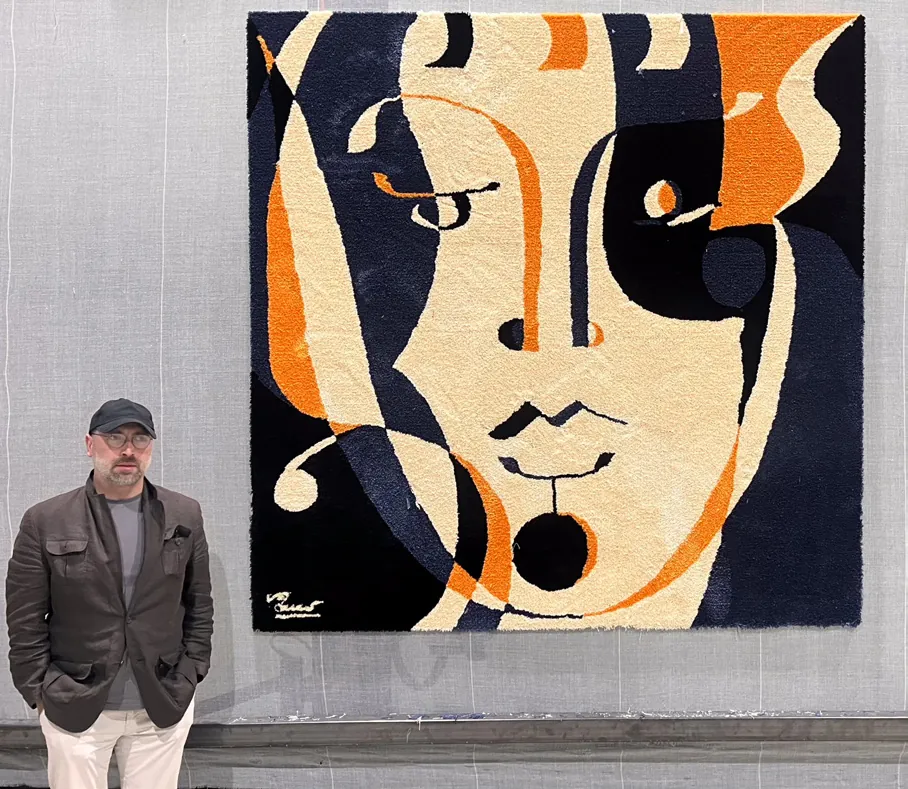
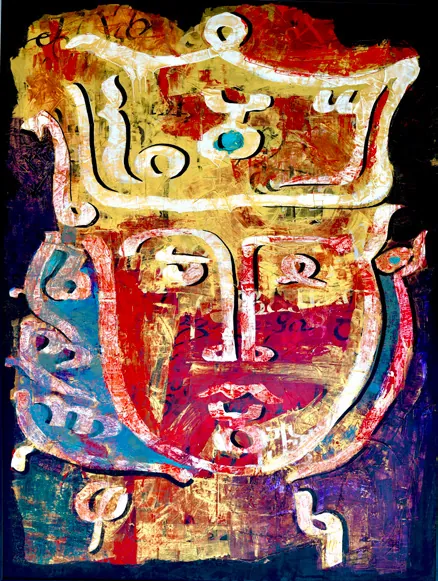
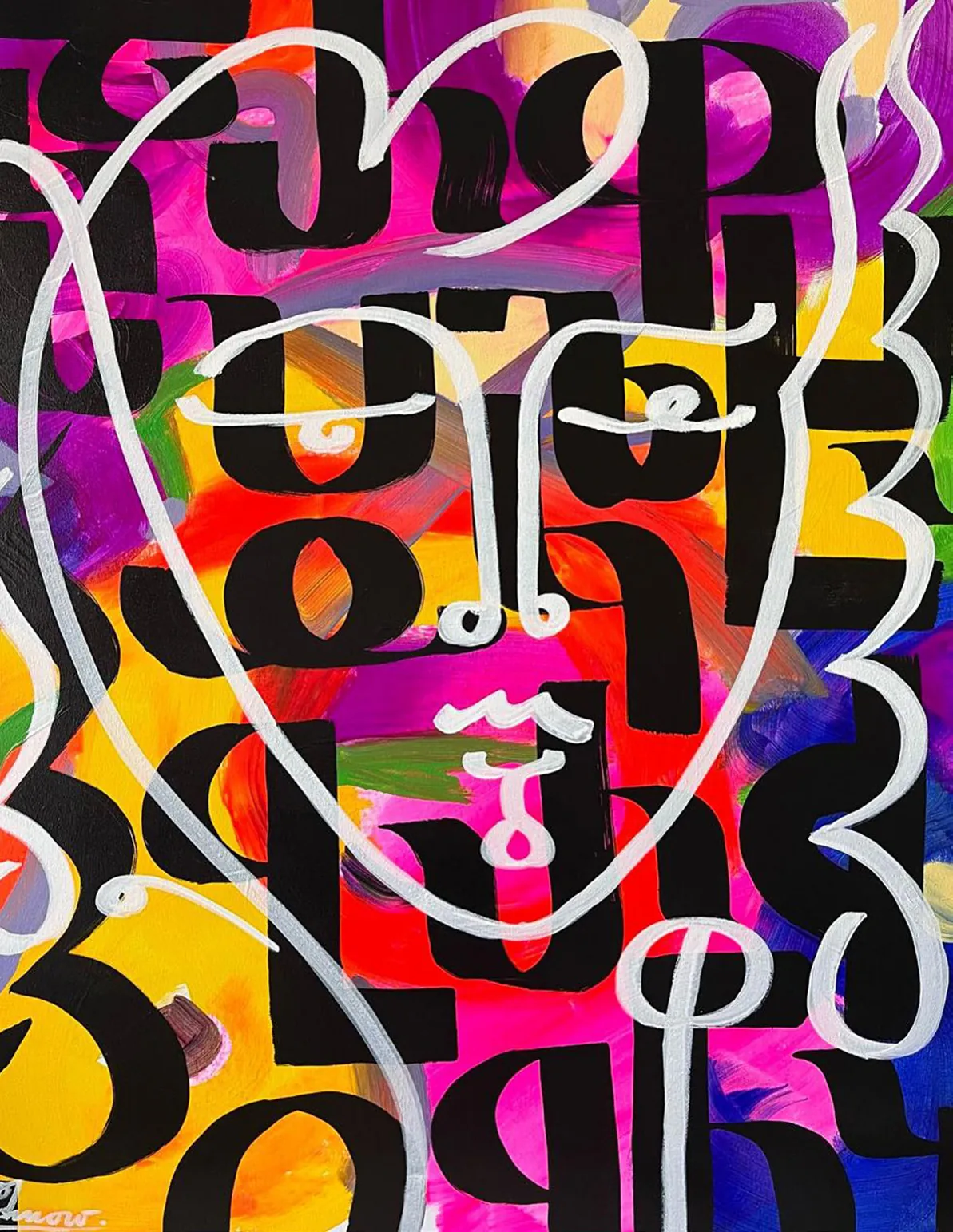
Shota Saganelidze is an outstanding Georgian artist whose work brings historical memory back to life, enriches cultural heritage, and tells interesting stories through the language of art. His innovative painting technique involves creating portraits using the three Georgian scripts. The artist’s collections include portraits of historical figures as well as abstract faces. Beyond painting, Saganelidze works with ceramics, sculpture, and textile design, incorporating calligraphic and ornamental visuals. His signature technique has also been applied to consumer and everyday items such as carpets, tablecloths, hand-embroidered T-shirts, and other souvenirs.
Introduce yourself and describe who Shota Saganelidze is.
I am a person with a searching spirit, a seeker by nature, always striving for innovation. This character trait has been the defining factor of my professional life. From an early age, I wrote songs, played music, painted, and experimented a lot. I love traveling into the past, into stories, people, and depths, and then giving them new life and a new face. As a result of this process, I became the author of the calligraphic portraiture style.
The alphabet is at the core of calligraphic art. What does the alphabet mean to you?
The alphabet is the graphic expression of a nation’s way of thinking. It is a combination of conscious and unconscious collective memory. A nation that possesses a script holds the graphic representation of its national painting. I consider calligraphy to be the foundation of
Georgian painting, because it is dynamic, changeable, and expressive of different moods.
What was your first calligraphic work?
My first calligraphic work was a portrait drawn within a circle — the whole world, represented in it in the form of Georgia. The meaning of this piece, and of my work in general, rests on the ideas of equality and unity. The concept of national unity is deeply alive within me. That is why I sought to unite all three forms of the Georgian script, use them equally, and in this way create unified calligraphic portraits.
Could you share your authorial approach — your perspective on calligraphic portraiture?
For me, calligraphic portraiture is an echo of deep meaning, feeling, soul, history, and national character. It speaks to the inner spirit, which is why it feels so genuine and timeless, and why it guides what one must do. When this entered my artistic vision, it naturally began to develop.
What do you seek to revive through your calligraphic portraits?
The central idea is always to create a unified, equal, and united Georgia. I paint those with whom I feel a connection. Before creating calligraphic portraits of Shota Rustaveli, Queen Tamar, Ekvtime Takaishvili, Maro Makashvili, Sopiko Chiaureli, and Ilia Chavchavadze, I engaged in researching their past lives, exploring their personal stories, and conducting deep analysis. My vision is to bring spirituality to the forefront, which requires going further within. That is why my portraits depict the most realistic faces, without invented colors or artificial features. What remains in me from a person’s real story is what I transfer onto the canvas, using all three forms of Georgian script and the color palette of their soul.
By creating calligraphic portraiture, you introduced a new direction. How do you see its future development?
Art is the finest means of expressing real life and history, but it constantly needs renewal. Artistic reform is impossible without deep knowledge of and respect for the past. Without Georgia’s rich cultural heritage, there would be no three evolved alphabets, which I use equally as instruments of my art to express the idea of a united and equal Georgia. I believe true progress comes from creating something new while moving beyond the past—a courage only a creative person can have. I see the development of the field the same way - through courage, boldness, and desire to create something new and share it with the world.
How has mastering the art of calligraphy, with your own creativity, changed you?
Creativity is the most powerful tool for communicating with the world. Calligraphic painting convinced me that it is possible to create a new history based on Georgia’s past, while staying true to being Georgian and showing the world the depth of my country. This art form made me realize what I strive for, how I see my homeland, and where Georgia unites for me.
Which forms does calligraphic painting bring together in its artworks?
My interests are broad. Calligraphic painting allows me to continually innovate and grow. Different materials demand different artistic approaches, expanding my creative scope. In addition to canvases, I work on silk, textiles, ceramics, jewelry, interior decor, and carpets.
Tell us about presenting your work in the United States, at Harvard and Columbia universities.
I would like to mention one important person, Mariam Tabakhmelashvili, who has been the manager and supervisor of all my projects in recent years. Mariam presented the concept of our multimedia exhibition, with its educational components, to Harvard University, after which we received an invitation very quickly. It was gratifying that Harvard itself shared information about this project with Columbia University, which also expressed interest in hosting it.
I must also emphasize the contribution of Professor Stephen Jones, who has taught at Oxford, London, California, and Harvard, and who played a significant role in inviting our project and helping to promote Georgia internationally on an academic level.
In both universities, we presented a comprehensive project combining the history of Georgian writing, the development of calligraphic art, and calligraphic portraits of historical figures and their roles in creating Georgian history. These included Shota Rustaveli, Queen Tamar, Ilia, Ekvtime Takaishvili, Otskheli, Sopiko Chiaureli, and others. Together with students, professors, and invited guests, we created a collaborative painting featuring quotes from Georgian literature, including from “The Knight in the Panther’s Skin.” Finally, as a masterclass, I created a portrait of Shota Rustaveli.
For me, this was a profound experience of intercultural dialogue. A large painting of Rustaveli was created with the participation of an international audience, and it now permanently resides at both Harvard and Columbia. After all, this reflects the essence of “The Knight in the Panther’s Skin:” the convergence of peoples, philosophies, and religions around eternal values.
Tell us about your future plans.
My current project is a new illustrated edition of “The Knight in the Panther’s Skin.” I would like to highlight a few important aspects.
First, Rustaveli’s writing technique and ideas represent a profound reform. Today, with the same language and script, it has become possible to create new works, calligraphic portraits, which I consider to be authentic continuations of this reform.
Second, I aim to achieve a deep understanding. To truly know the artistic, emotional, and ideological world of “The Knight in the Panther’s Skin,” I plan to recreate the portraits of each hero and character through calligraphic painting. I believe this will become the most distinctive illustrated edition in the history of the poem’s publications.
The work cannot be understood without symbolic
and allegorical interpretation. Therefore, it is essential to draw upon the research of Georgian scholars who dedicated their lives to Rustaveli’s world: Viktor Nozadze, Pavle Ingorokva, Niko Marr, Korneli Kekelidze, Akaki Shanidze, Aleksandre Baramidze, and Zviad Gamsakhurdia.
The project will focus on three main themes: facial expressions, the language of color, and symbolism in “The Knight in the Panther’s Skin.” It will consist of two main parts: Creating around 20 paintings for the illustrated edition, which will be significant for both Georgian calligraphy and fine art, and developing the superscript letters and carrying out the necessary preprint design.
This will be the first truly calligraphic illustrated edition of “The Knight in the Panther’s Skin,” distinguished by its authenticity, use of Georgian script, colors, symbols, and profound meanings. It will represent a form of national modernism: the modernism of great thought written and visualized through calligraphy.