II / Erekle II
A King Amid Historical Storms
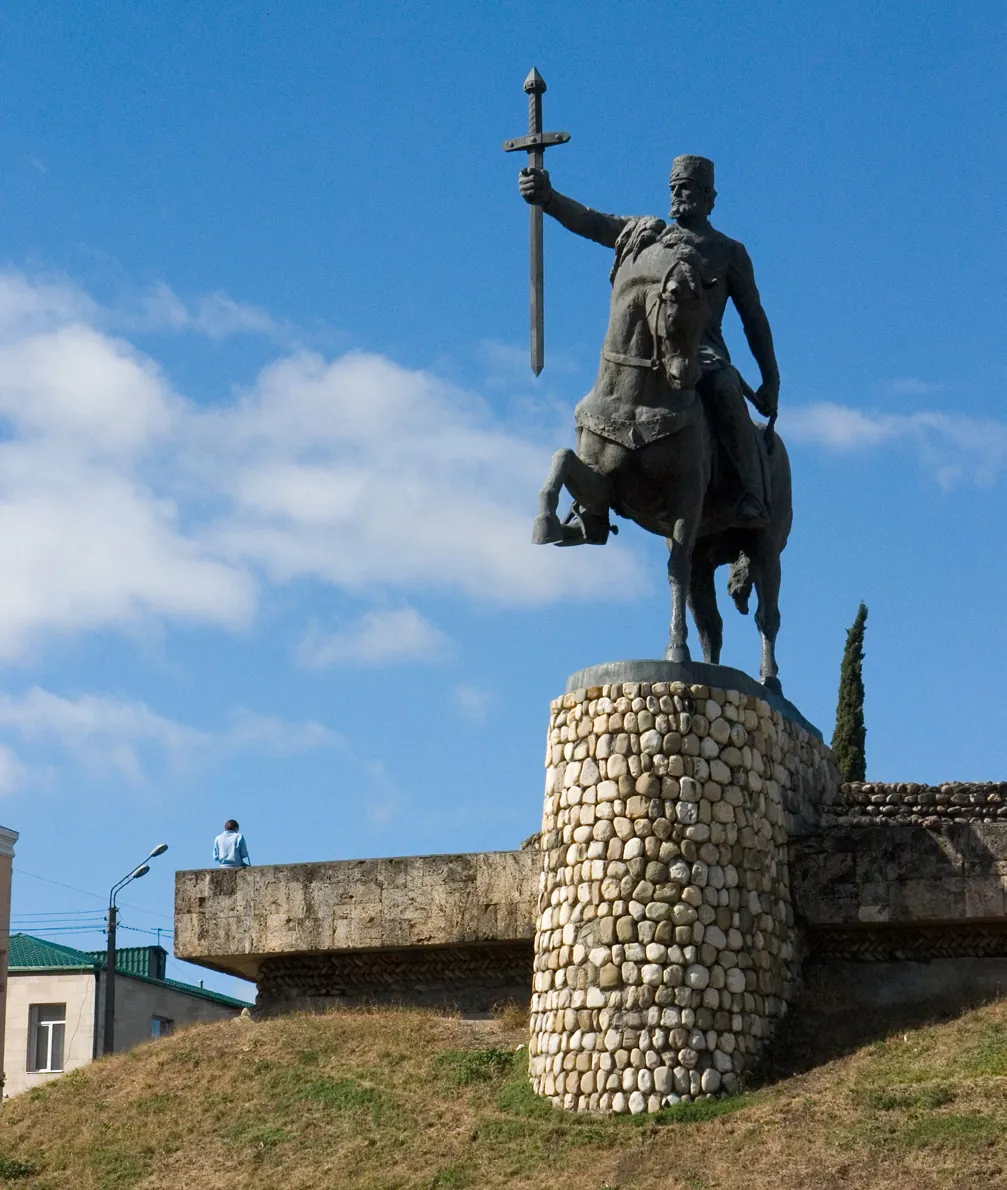
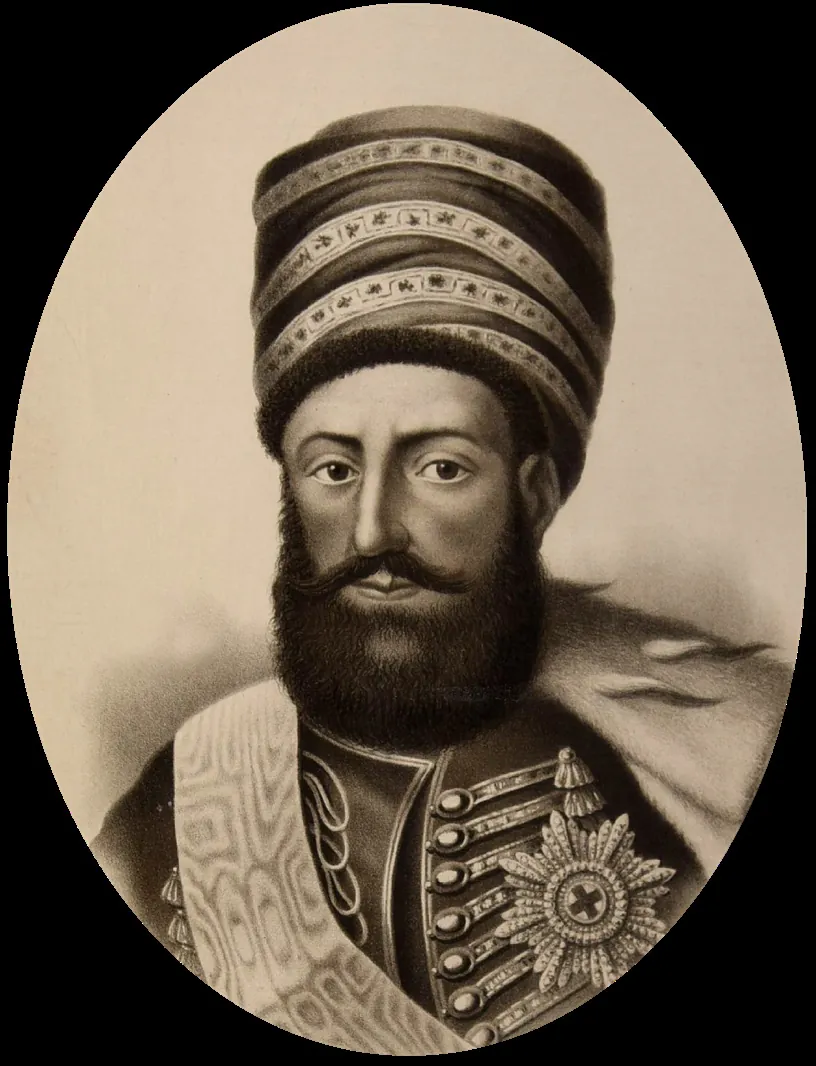
The history of 18th-century Georgia is full of contradictions, political instability, foreign invasions, and internal conflicts. In this chaotic and challenging era, one remarkable figure appeared: King Erekle II, who combined statesmanship, military talent, and diplomatic skills. His reign represents one of the most important chapters in the history of the Kingdom of Kartli-Kakheti, a time when Georgia tried to preserve its independence, reform its government, and strengthen its national foundations, despite being surrounded by powerful neighboring empires.
Erekle II’s efforts to protect Georgian statehood — at a time when many neighboring regions had already fallen under foreign rule — created the foundation for unity and resilience. Although Georgia eventually came under the influence of Russian policy, Erekle II’s reign remains a symbol of patriotism and self-sacrifice.
Born in 1720 in Telavi, Erekle II united the two branches of the Bagrationi dynasty of Kartli and Kakheti. His mother, Tamar, was the daughter of Vakhtang VI, while his father, Teimuraz II, was the son of King Erekle I of Kartli.
From an early age, Erekle demonstrated sharp political insight and military talent. Having spent time in Iran, he matured as a statesman skilled in Persian and Turkish diplomatic and political affairs.
His reputation grew rapidly when he became the leading defender of Georgia in battles against Iran and the Ottoman Empire. Especially significant are the battles he fought after 1744, when he took the throne of Kakheti and soon after also gained rule over Kartli, becoming King of Kartli-Kakheti.
One of the defining aspects of his reign was his drive to build a strong, centralized, and independent state. Reaching this goal was not easy. He had to fight both the divided interests of local nobles and the external threats coming from the Ottoman and Persian em- pires.
One of the most important steps was the unification of
Kartli and Kakheti in 1762 — not only a remarkable polit- ical achievement, but a step toward creating a kingdom capable of resisting regional threats.
Erekle II introduced administrative reforms, tried to strengthen the royal bureaucracy, and encouraged the development of agriculture and trade. He was also keen to incorporate European experience, which led him to send envoys to European countries, especially to the Russian Empire, to strengthen foreign relations.
King Erekle II was also an exceptional military commander. He personally led Georgian forces into numerous battles. Of particular note were his wars against the Lezgins (referred to as “Leki”) in the 1750s, and his battle against the Ottomans in 1769.
One of his most famous and, at the same time, tragic battles was the Battle of Krtsanisi in 1795, when he faced the Persian ruler Agha Mohammad Khan. Although the battle ended in defeat and Tbilisi was sacked by the enemy, Erekle II did not abandon his country. He upheld his royal dignity, and continued to rule. The tragedy of Krtsanisi became a symbol of national heroism, demonstrating the king’s loyalty to his homeland.
At the end of the 18th century, Georgia was under increasing pressure from Iran, the Ottoman Empire, and internal instability. Seeking a powerful ally, Erekle II signed the Treaty of Georgievsk with the Russian Empire in 1783, placing the Kingdom of Kartli-Kakheti under Russian protection.
Erekle saw this decision as a guarantee of Georgia’s survival under the shield of a strong Christian power. However, history would show that the treaty held a double meaning - while it temporarily offered protection from Persian and Ottoman aggression, it also became the basis for the future annexation of Georgia.
In 1795, as mentioned earlier, Russia failed to provide military support to Georgia during Agha Mohammad Khan’s invasion, casting serious doubt on the practical value of the Treaty of Georgievsk.
Erekle II died in 1798. He remains in the memory of the Georgian people as one of their most distinguished kings due to his patriotism and political foresight.
After his death, the Kingdom of Kartli-Kakheti rapidly declined, culminating in its annexation by Russia in 1801. Yet, Erekle II’s legacy lives on as a symbol of struggle, hope, and the will to preserve national identity.
His reign was one of the most difficult periods in Georgia’s history. He was a king who unified the country, tried to modernize it, devoted his life to his homeland, and yet in the end, he became a victim of the historical storms that changed Georgia’s fate. However, his name still stands today as a symbol of national unity, strength, foresight, and love — the legacy of a king who gave everything for his country.