Georgian Cheese

Cheese holds a special place in Georgian gastronomy. Beyond being a staple food, it carries a story whose roots stretch deep into the past. In Georgia, even 8,000-year-old cheese storage vessels have been discovered, highlighting the ancient and rich history of Georgian cheesemaking.
Georgian cheese encompasses a wide range of varieties, with almost every region producing its own distinct type.
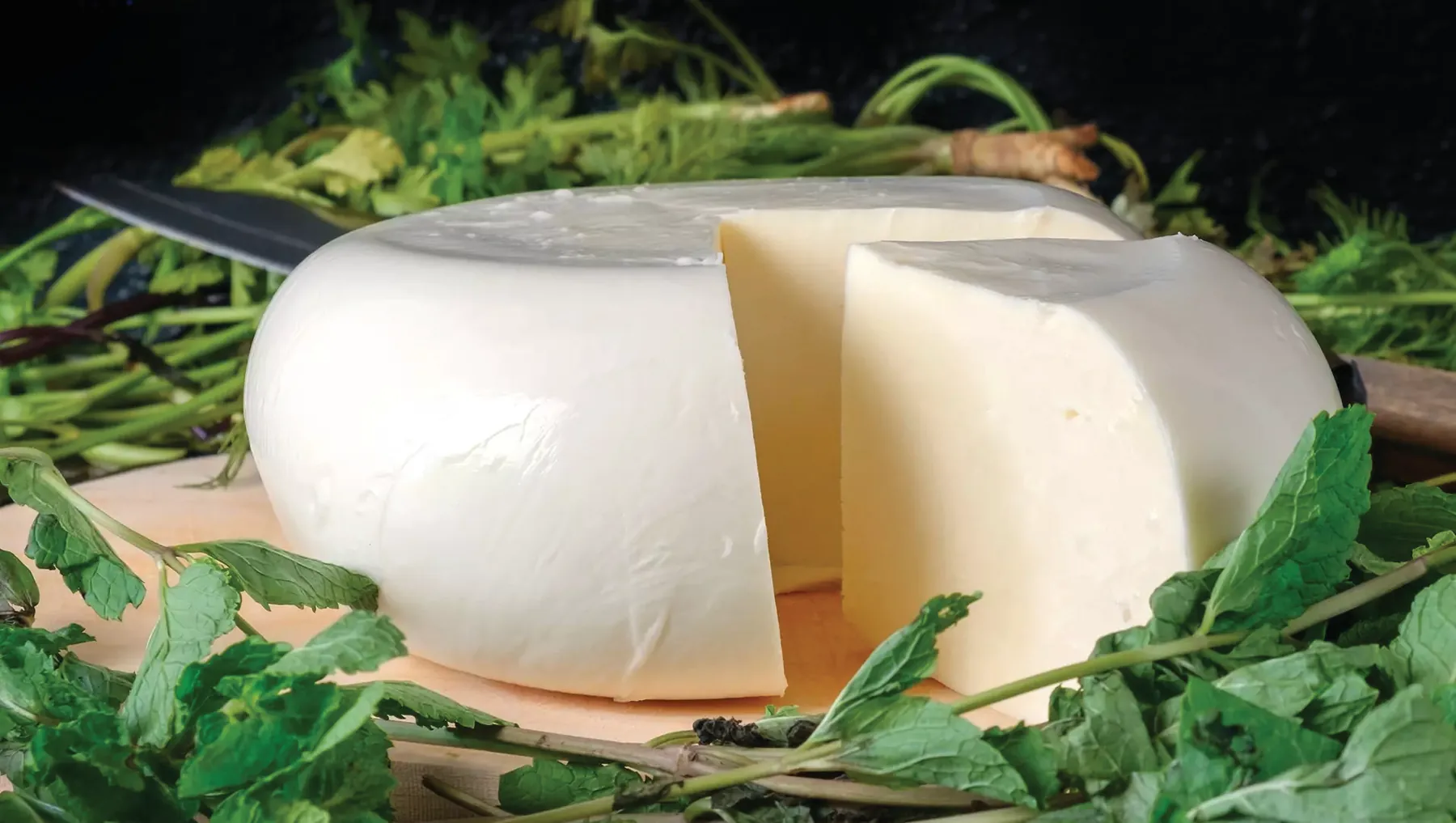
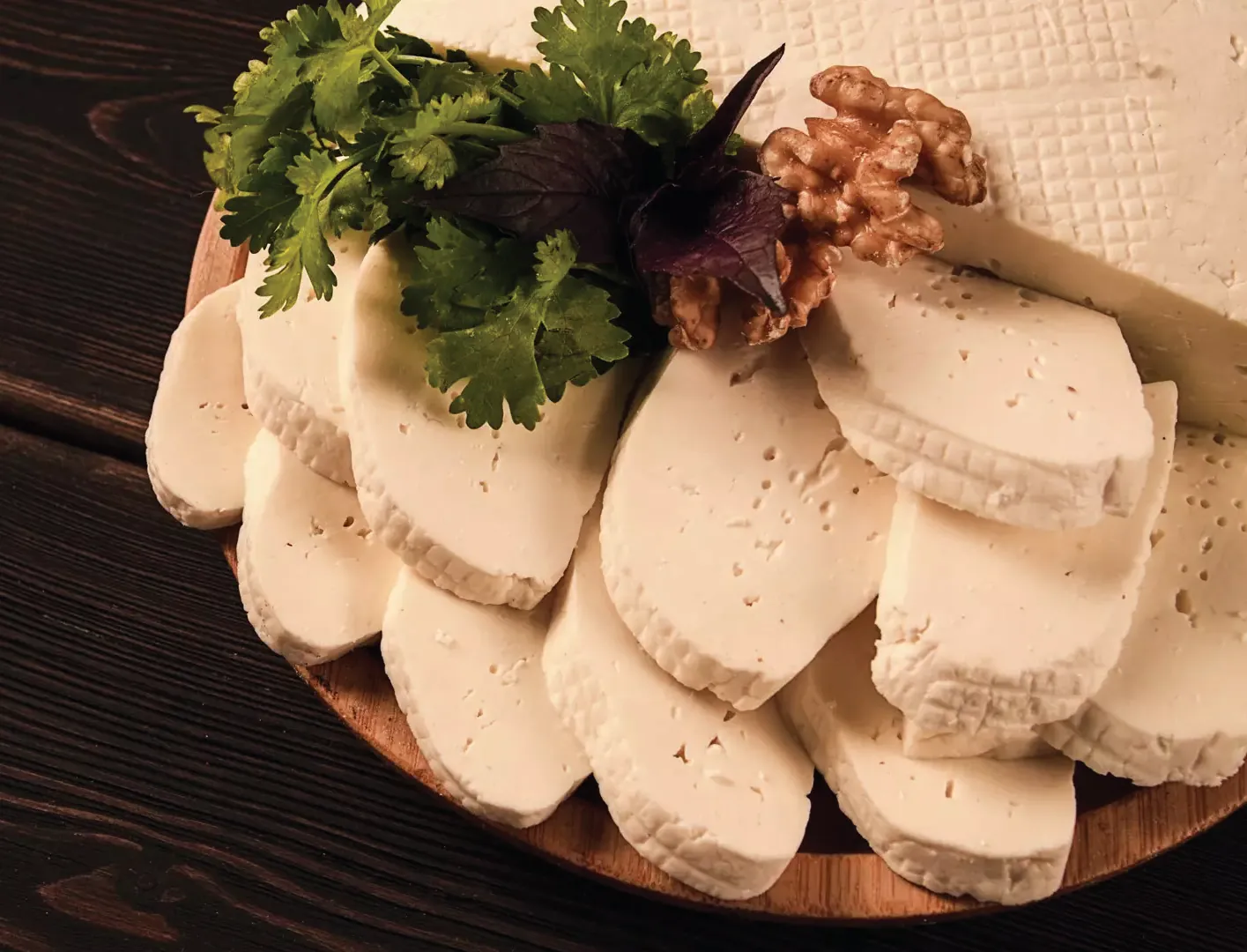
We begin this introduction with Imeretian cheese. It belongs to the group of uncooked cheeses and is traditionally made by hand, which is why it is often referred to as “handmade” cheese. Freshly drawn milk is cut to start the curdling process, rennet, known locally as “the mother of cheese,” is added, and it is placed over low heat. Once coagulated, the curd is stirred by hand. The resulting mass is moderately squeezed, kneaded, and placed into clay or wooden molds. To achieve balanced flavor and texture, the cheese is salted with rock salt, ensuring moderate salt absorption and the development of small holes. The final stage of preparation is placing the cheese in brine, known as “tsatkhi.”
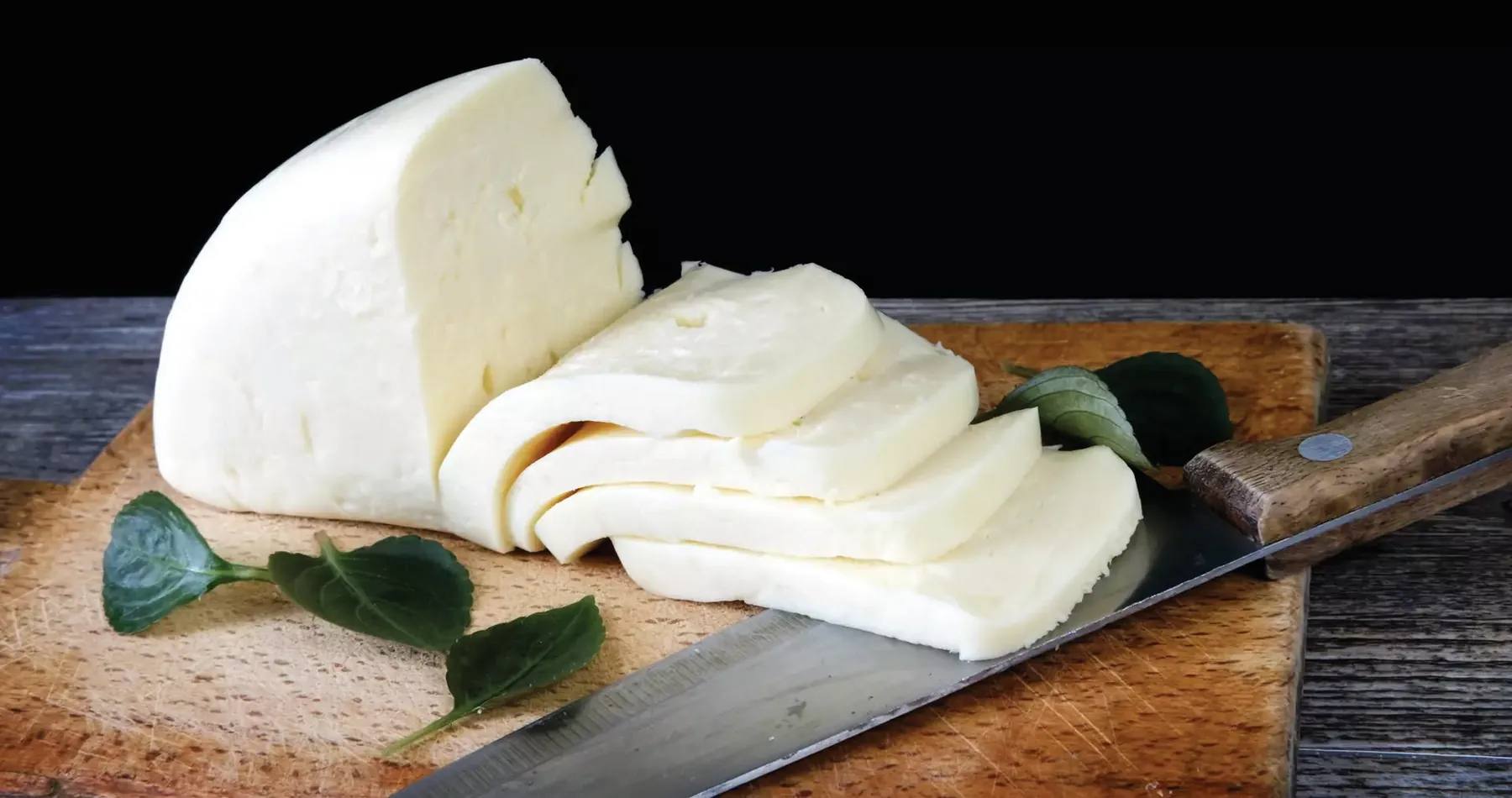
Sulguni is another iconic Georgian cheese. According to tradition, it was first made by the Mingrelians and the Svans. This type of cheese is produced from freshly milked buffalo or cow’s milk. The pressed cheese is cut into thin sheets and placed in a moderate amount of hot water. It is then kneaded firmly, rolled by hand, kneaded again, flattened, and placed in boiling milk or water before being kneaded once more and folded into a layered structure. Before the process is complete, the surface is smoothed by hand, dipped into cold brine, salted, and stored in a wooden bowl. A well-known variation is smoked Sulguni, made using a different method.
The cheese is hung high, exposed to gentle smoke from a distance. The smoking process lasts for at least two months.
While Imeretian cheese and Sulguni are the most widely known, Georgia also offers rare and unique varieties, including tenili cheese. Tenili cheese, originally from Meskheti, has no analogue anywhere else in the world. It is a thermally processed, finely drawn cheese made by an extremely labor-intensive method. The cheesemaker stretches the curd into thin threads, sometimes as thin as a strand of hair. These threads are soaked in boiling water, stretched, placed in brine, and then hung over ropes to dry. Once cured, the cheese is wrapped in cheesecloth and placed into clay pots. The pots are sealed and stored upside down on warm ashes so that the remaining moisture drains away. The cheese is kept in this state for several weeks. Properly dried cheese, wrapped in cheesecloth, can be stored for more than a year. People in Meskheti especially enjoy aged tenili cheese and reserve it for special occasions.
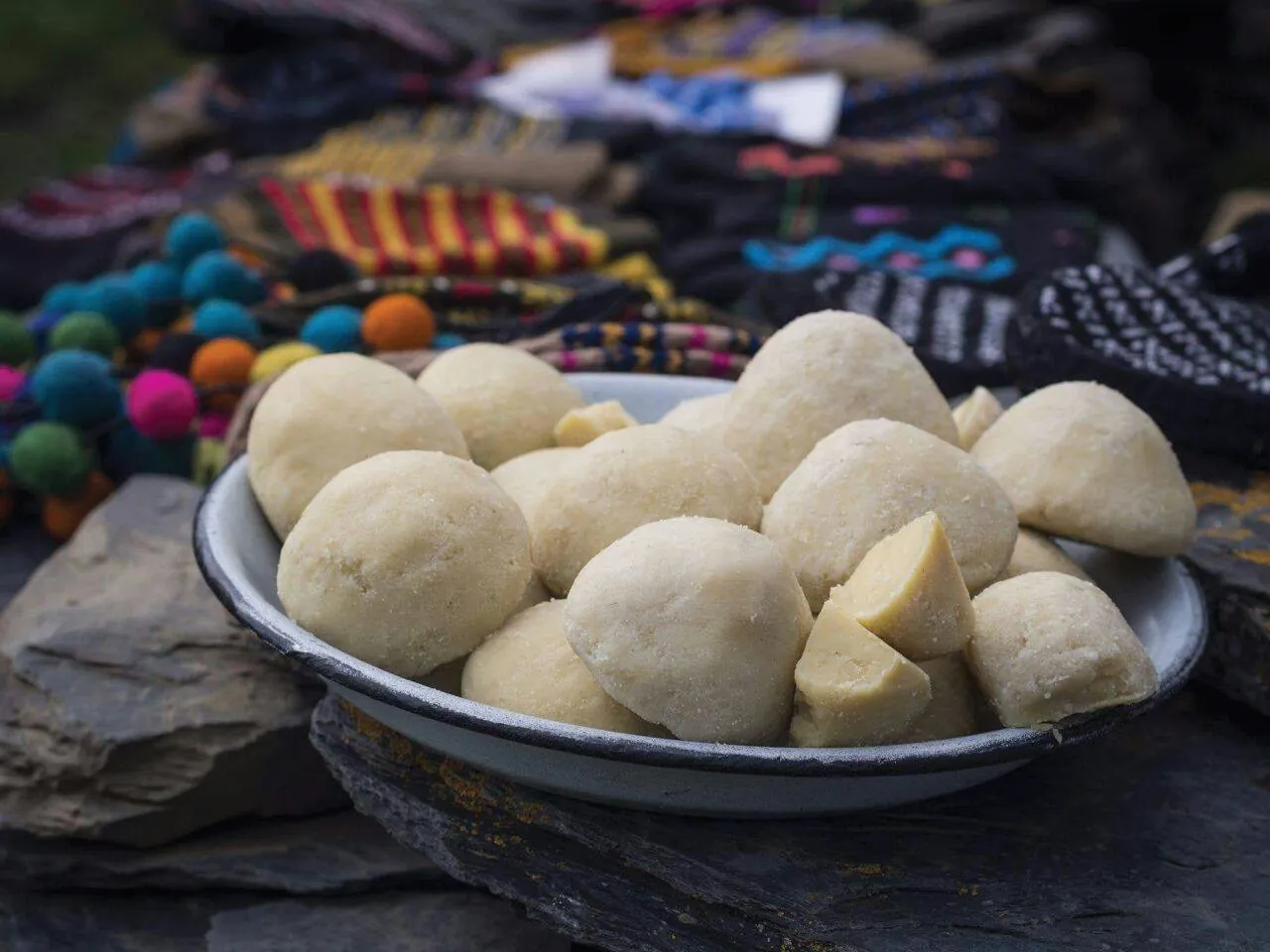
Kalti is the most expensive Georgian cheese and is common in mountainous regions. Historically, dried kalti served mainly as food for shepherds, and this remains so today, as it effectively suppresses hunger. Light to carry and long-lasting, it is vital for shepherds who lead a nomadic lifestyle. Rich in nutrients, this cheese has even been described as a “living pharmacy.”
Adjarian Chechil is another distinctive cheese, resembling a long, thick rope. It is made from cow’s milk that has fully ripened during the summer months.
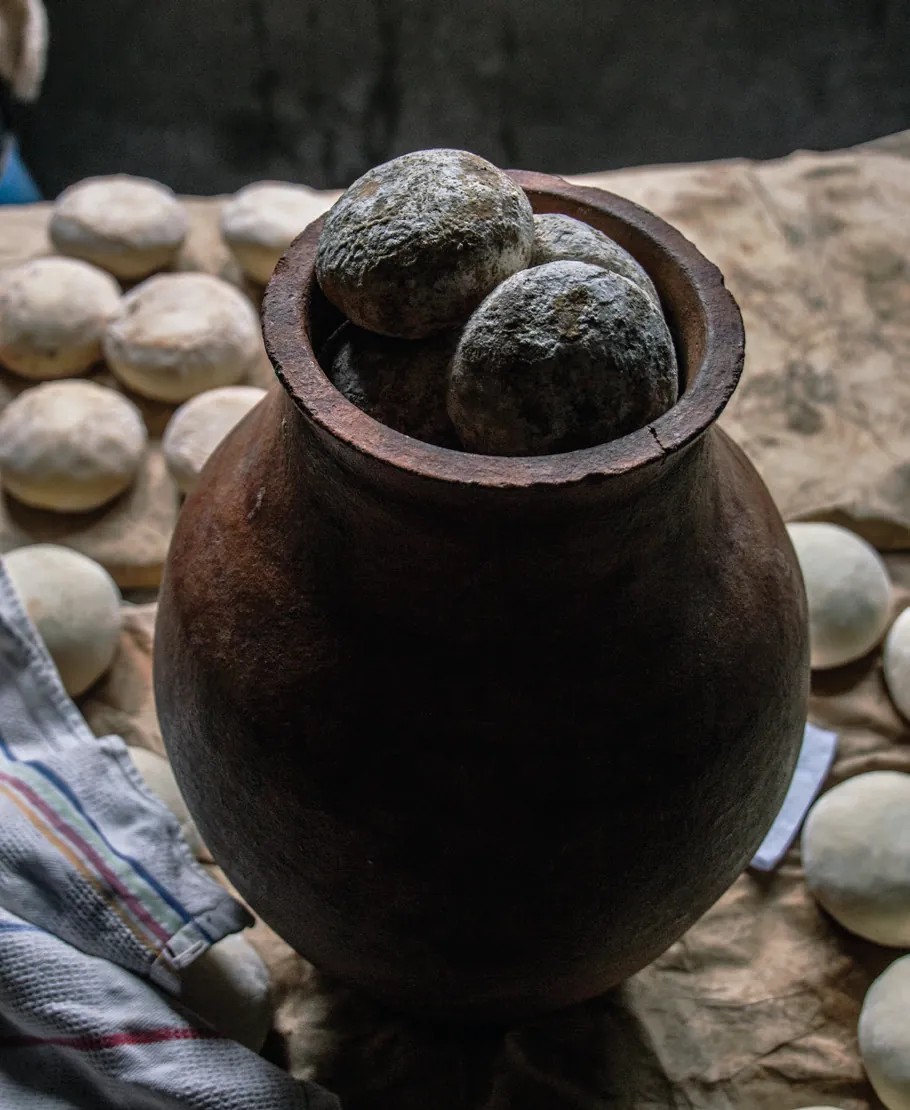
Dambalkhacho is one of the most renowned Georgian cheeses, originating in Mtiuleti and Pshavi. Made from cottage cheese shaped into small rounds, it was traditionally buried underground, though this method is rarely used today. Today, dambalkhacho is stored in clay pots, wrapped in paper, and left to ferment, which is why it is called dambalkhacho, meaning “wet cottage cheese.” It is often fried in “erbo” (clarified butter) and consumed in that form. Because of this, it is sometimes called “erbo-khacho.”
Tenili cheese and dambalkhacho have both been granted the status of Intangible Cultural Heritage by the Ministry of Culture of Georgia.
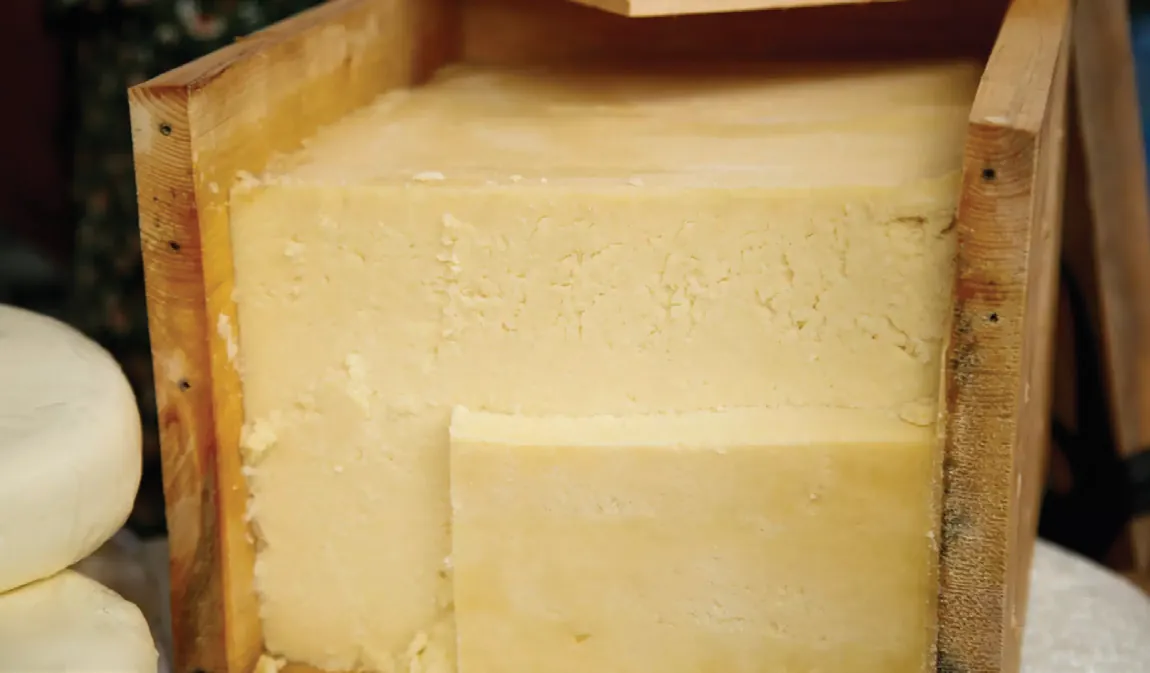
Narchvi is an ancient Svan cheese. The Svans grind and mash the cheese with butter, then store it in tall wooden containers resembling small towers. They place stones on top to allow the moisture to drain out. A close analogue of this cheese is Chogi, a type of Guda cheese made by the Tushetians. Chogi is prepared from unpasteurized sheep’s milk, typically in July and August.
The culture of Georgian cheese is more than a culinary tradition, it is an encyclopedia of regional flavors, each with its own identity. The diversity of cheeses, from Sulguni to Guda, shows that Georgian cheese is not merely an everyday food. It is a cultural treasure and gastronomic legacy that reflects the country’s history, continues to impress the world, and holds a cherished place in the hearts of both gourmets and travelers.