Merab Berdzenishvili – Famous Georgian Sculptor
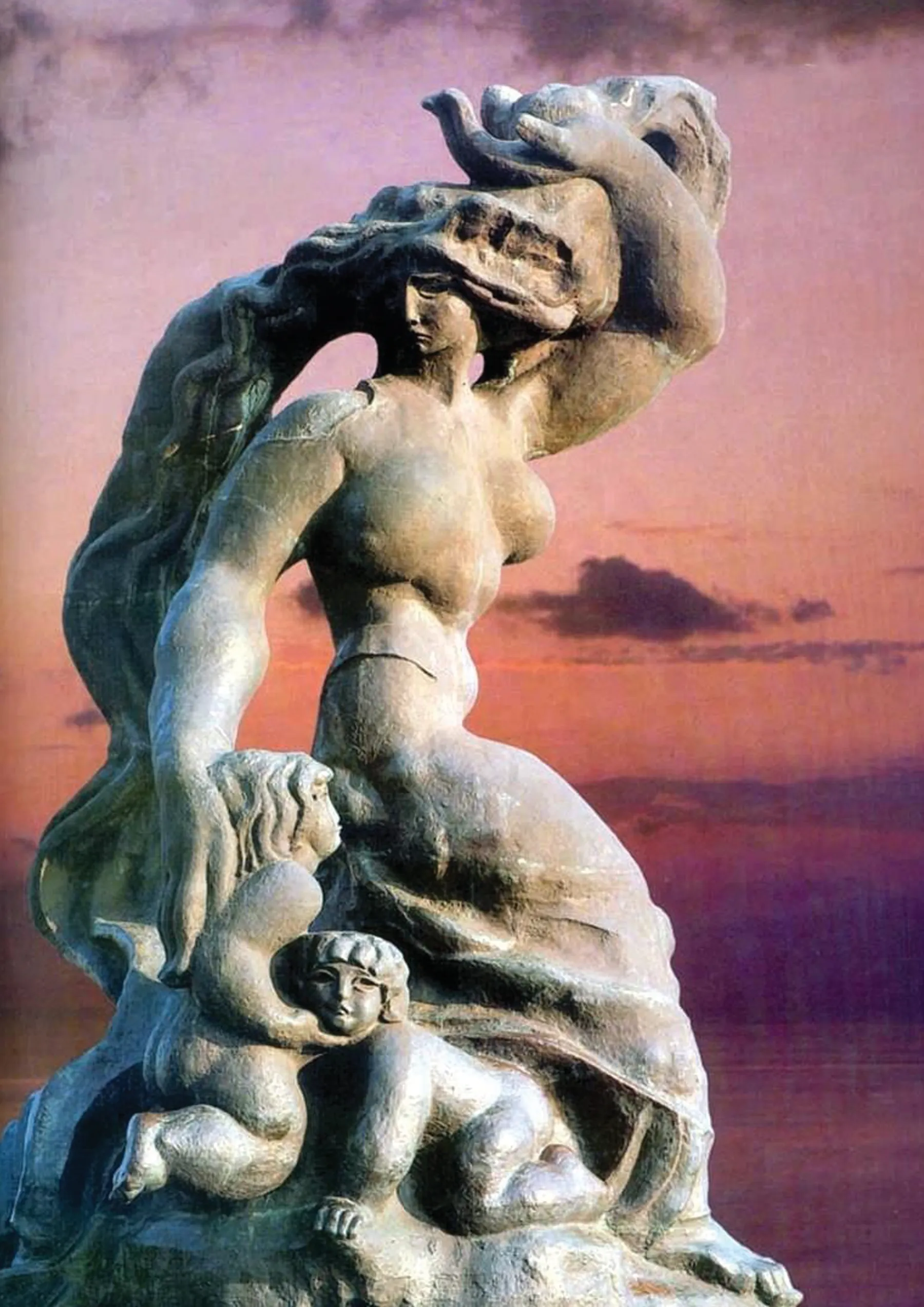
“Sculpture is a halted movement, a moment preserved in material, expressing what words cannot describe.”
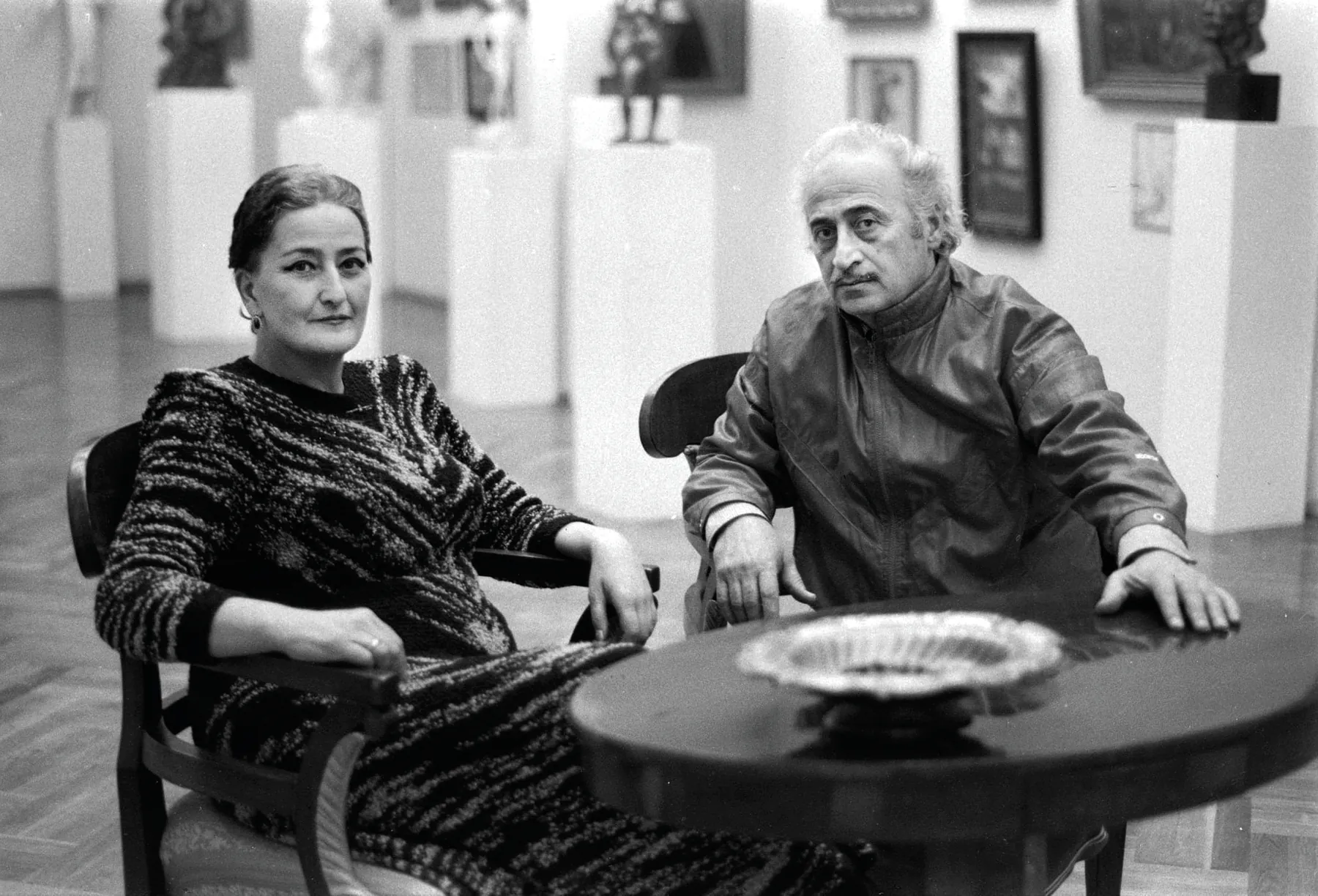
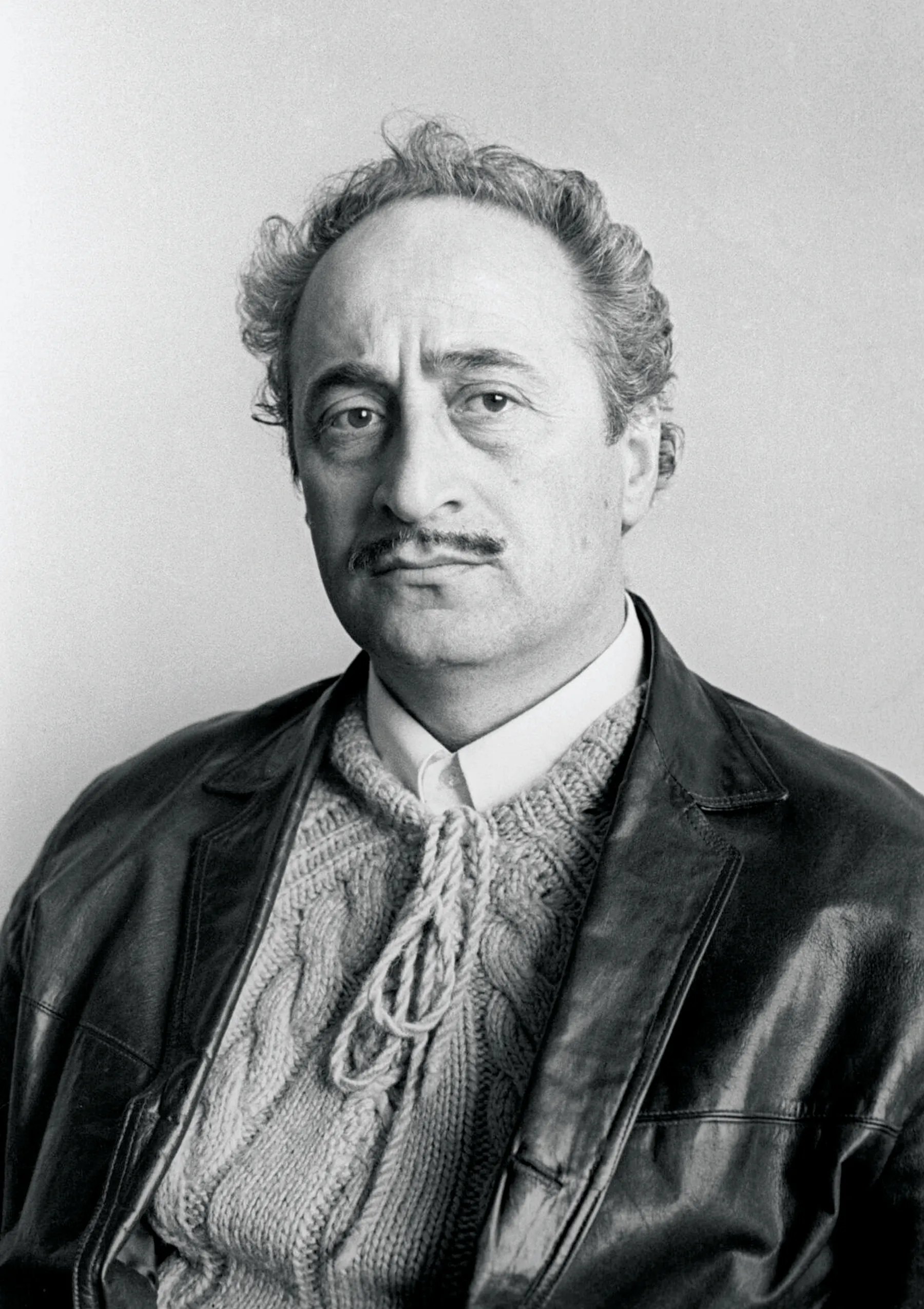
The above quote perfectly describes the work of the famous Georgian sculptor, painter, and graphic artist Merab Berdzenishvili. He is among the select Georgian sculptors whose every work shows striking power, strength, and human energy. His monuments not only visually enriched the city but also filled it with deep meaning, history, character, and soul, inviting viewers to reflect. For Berdzenishvili, stone, bronze, and clay were forms of dialogue with the world.
Inspired by the aesthetics of the Italian Renaissance and Mannerism, his strong, heroic artistic language, depicting images of prominent Georgian kings and mythological figures, as well as memorials dedicated to crucial events in Georgian history, marked a distinct chapter in the development of Georgian sculpture, earning him widespread recognition during his lifetime.
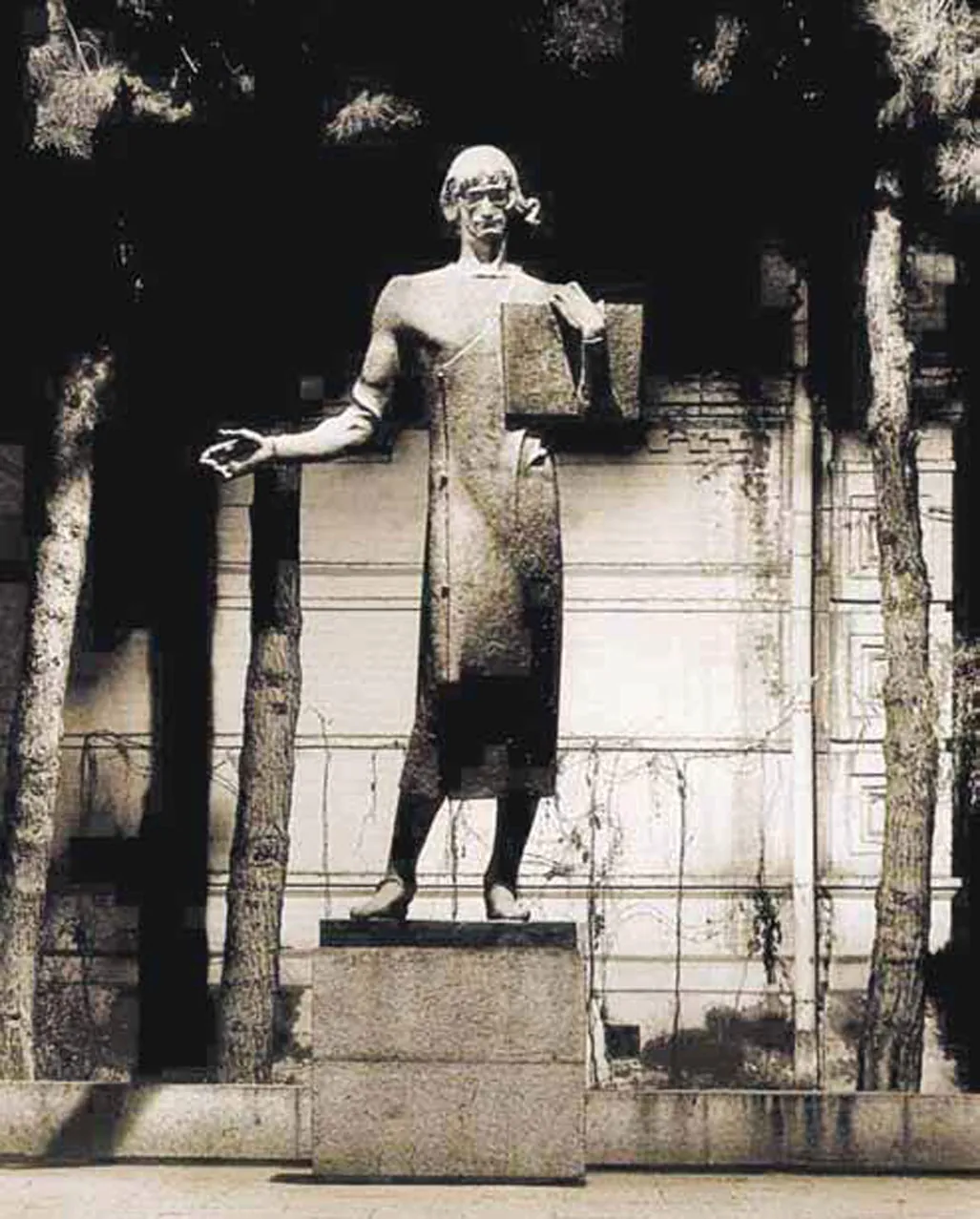
Merab Berdzenishvili graduated from the Tbilisi State Academy of Arts under the guidance of Professor Nikoloz Kandelaki. His diploma work, “Rustaveli,” cast in plaster, stands today at the entrance of the National Parliamentary Library of Georgia. Notably, the same monument, cast in bronze, was erected in Moscow in 1966.
Merab Berdzenishvili received every major title and award established in the Soviet and post-Soviet art world. He was one of the key figures in the national-patriotic movement that started in Georgian monumental sculpture in the 1950s. His list of honors is extensive and diverse, including: Honored Artist and People’s Artist of Soviet
Georgia, People’s Artist of the Soviet Union, the Shota Rustaveli State Prize (1975), the Fridtjof Nansen Memorial Medal awarded by the Nobel Peace Prize laureate (2001), and the title of “Priest of Art,” established by the Ministry of Culture of Georgia in 2014 for outstanding contributions to the arts.
His sculptures hold an important place in Georgian history. In 1968, for the Bichvinta resort complex, the sculptor created the bronze monument of Medea, as well as the equestrian statue of Giorgi Saakadze, which stands in two Georgian cities, Kaspi and Tbilisi. In 1975, his monument to the King of Laos was erected in Vientiane, the capital of Laos.
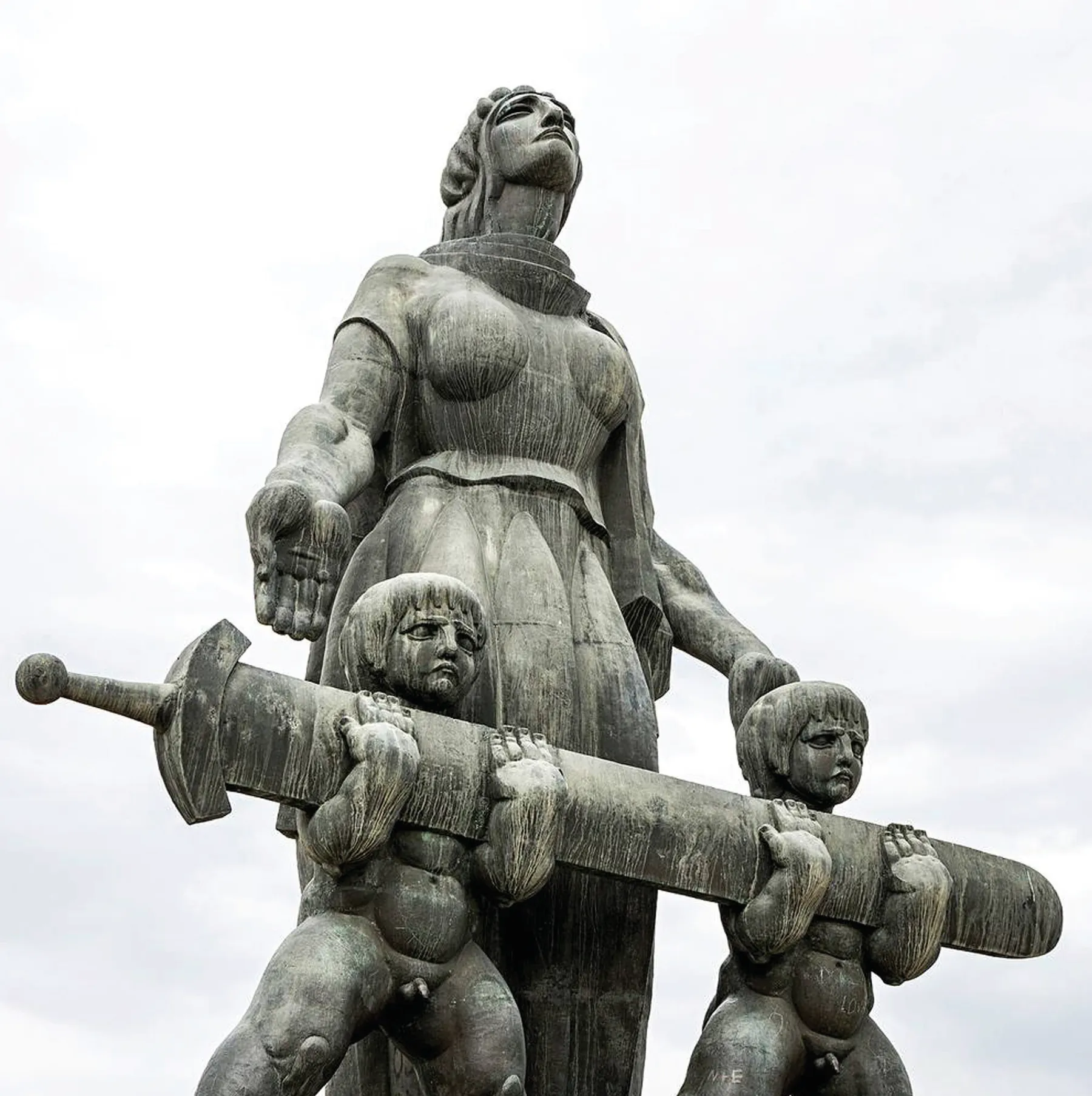
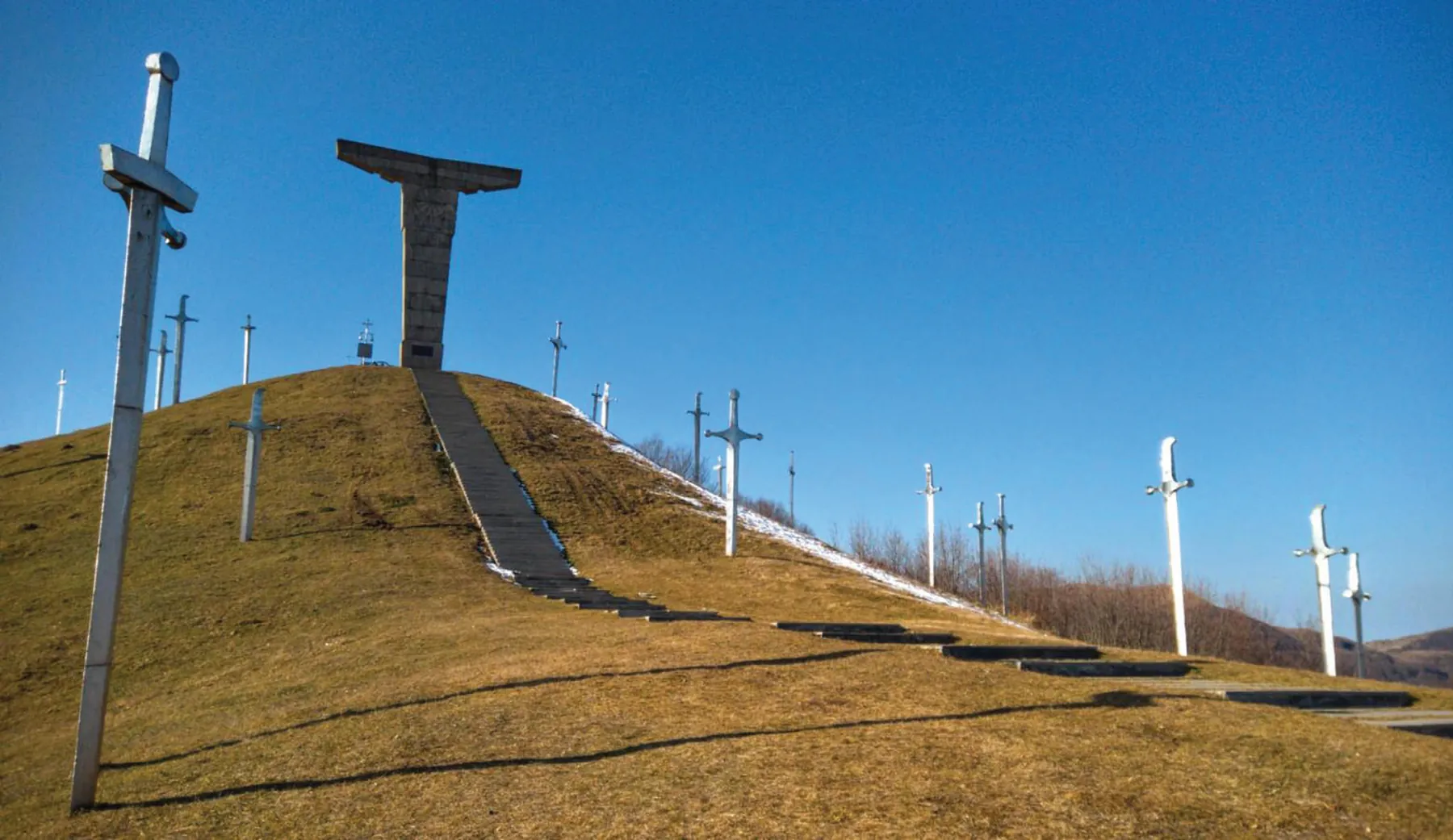
He is also the author of the well-known bronze sculpture of symbolic meaning in Marneuli, titled “And They Shall Grow,” for which he received the State Prize. In 1995, for the creation of the Didgori sculptural-architectural complex, Merab Berdzenishvili, together with architect Tamaz Gabunia, once again became a laureate of the Georgian State Prize.
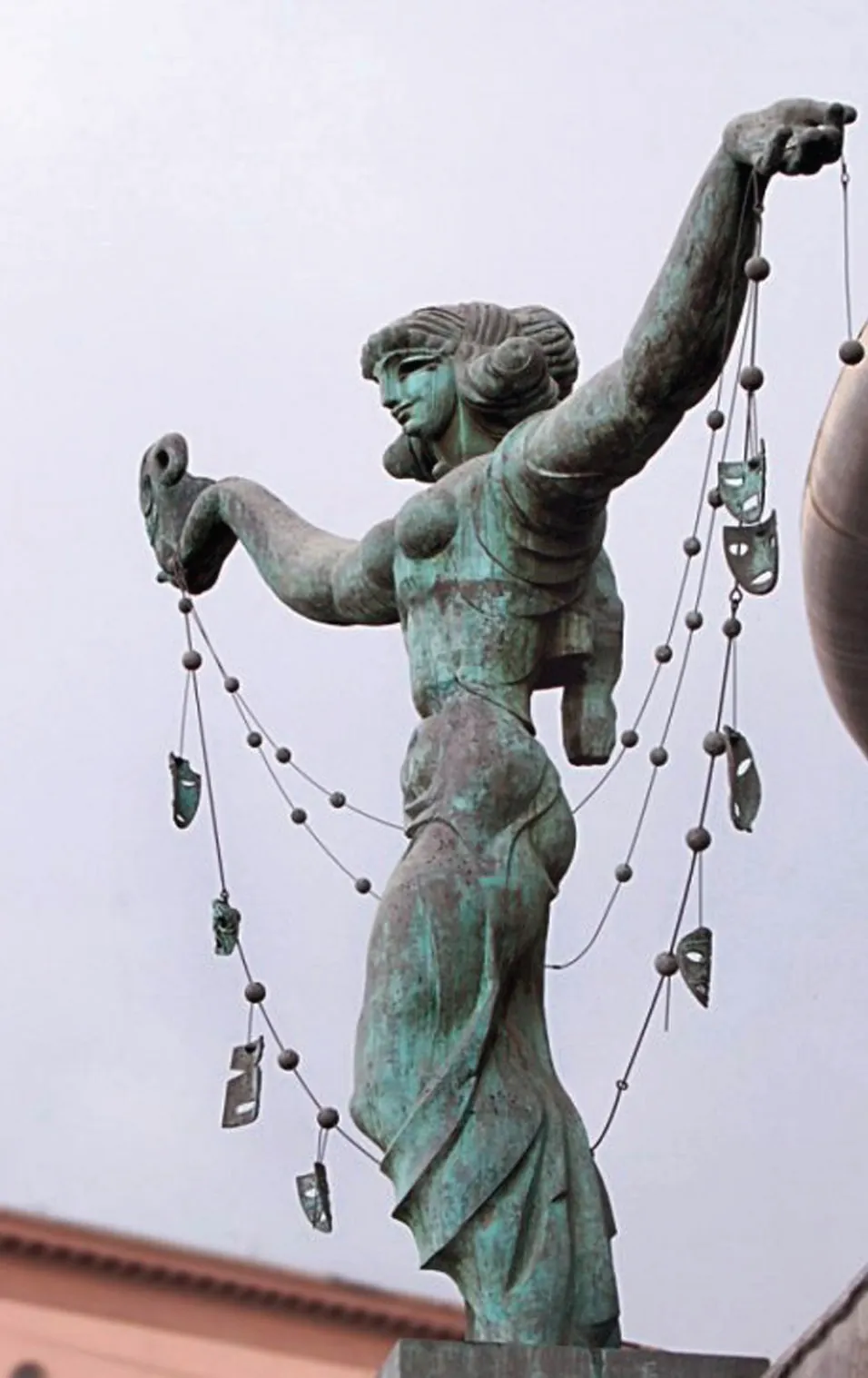
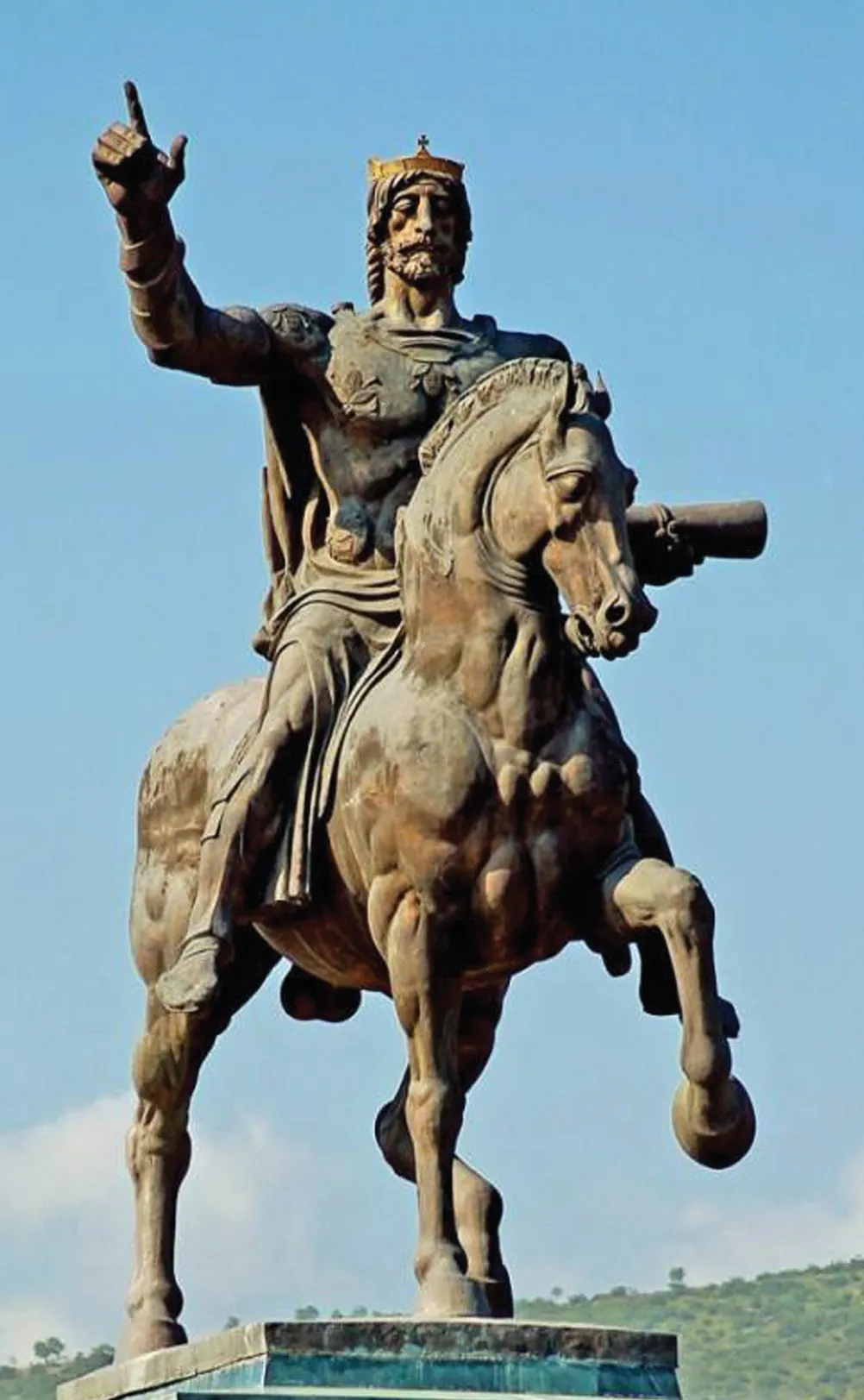
Among the main historical landmarks of Tbilisi are several urban sculptures by Berdzenishvili: the bronze “Muse,” the cast-iron “David Guramishvili,” and the bronze “King David the Builder.”
Beyond monumental sculpture, Merab Berdzenishvili also worked in portrait sculpture, book graphics, and poster art.
The sculptor was actively engaged in teaching at the Tbilisi Academy of Arts, sharing his knowledge with new generations. He held the position of professor at the university and was also a corresponding member of the Georgian Academy of Sciences.
Even today, Merab Berdzenishvili’s sculptures continue to remind people of human essence and the power of art. When we look at them, it feels as if the artist himself is telling us that beauty and strength lie within every person - we only need to notice them.