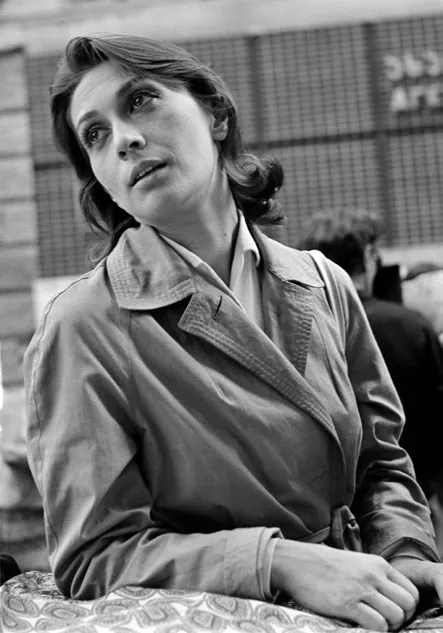
Sofiko Chiaureli
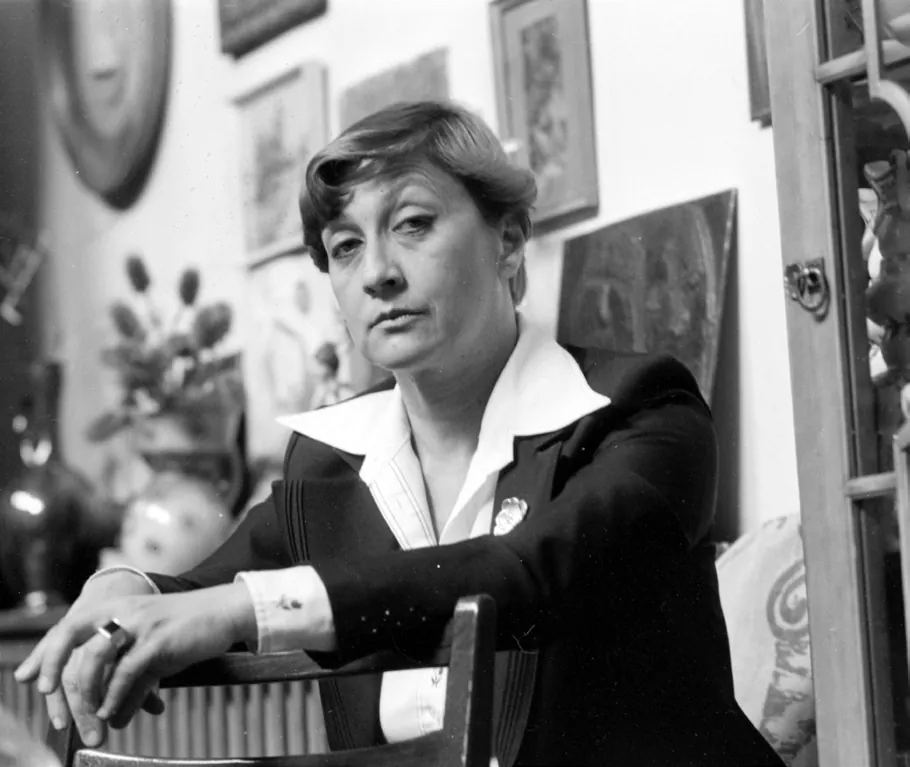
Georgian cinema and theater remember many outstanding figures, yet among them, a special place belongs to an actress whose very name has become a symbol of Georgian art.
“Our Yard” (Chveni Ezo), “You Can’t See What You Have Seen,” “Melodies of the Vera Quarter,” “Don’t Grieve,” and “Story of One Girl” are only a small part of the rich cinematic legacy that actress Sofiko Chiaureli left to the public. Her work remains an outstanding chapter in the history of Georgian cinema.
Sofiko was an artist whose stage energy, beauty, intelligence, and remarkable emotional depth left unforgettable impressions on audiences. Her name is closely connected with a period of Georgian culture when cinema and theater were not merely art forms but the very spirit of an entire era.
Sofiko Chiaureli was born in Tbilisi on May 21, 1937, at a time of year when nature awakens. She grew up in a family of artists. Her father was the famous film director Mikheil Chiaureli, and her mother was the legendary Georgian stage actress Veriko Anjaparidze. In such an environment, where art was an inseparable part of everyday life, Sofiko felt the special charm of the stage and cinema from an early age.
She grew up alongside her two brothers, Otar Chiaureli and Ramaz Chiaureli. Sofiko was also the cousin of the renowned film director Giorgi Danelia.
After graduating from the acting faculty of the Gerasimov Institute of Cinematography (VGIK) in Moscow, Sofiko Chiaureli joined the Kote Marjanishvili Academic Theater in Tbilisi. Later, between 1964 and 1968, she joined the main stage troupe of the Shota Rustaveli Theater, becoming one of the most recognizable actresses on the Georgian stage.
Years later, Georgian cinema was presented among the best works at the Chicago International Film Festival, and Tengiz Abuladze’s film “The Wishing Tree” received eleven awards.
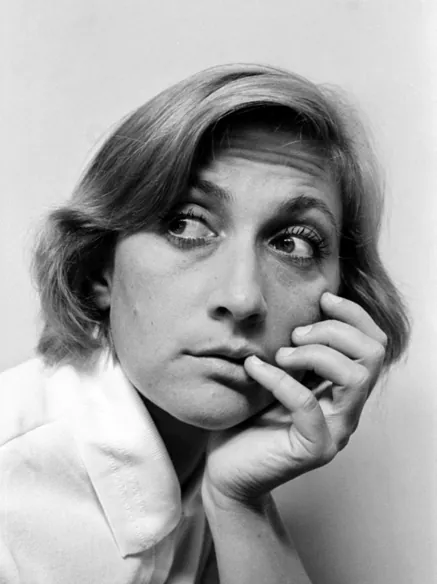
Sofiko Chiaureli’s artistic individuality, expressive technique, and natural charisma made her one of the most distinctive actresses of her generation. She shared a long-standing friendship with the legendary director Sergei Parajanov, who considered her his muse. Her expressive face, movements, appearance, and unique style allowed her to create unforgettable images of an era.
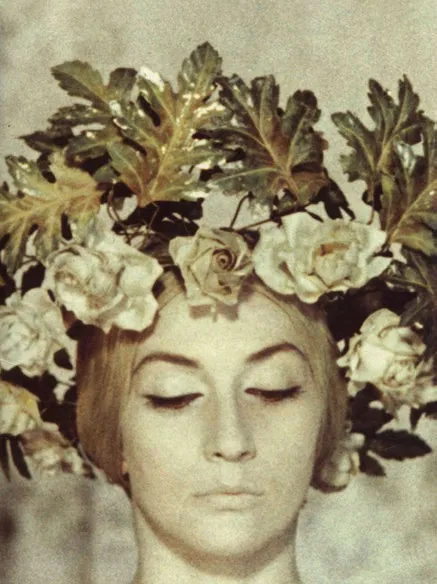
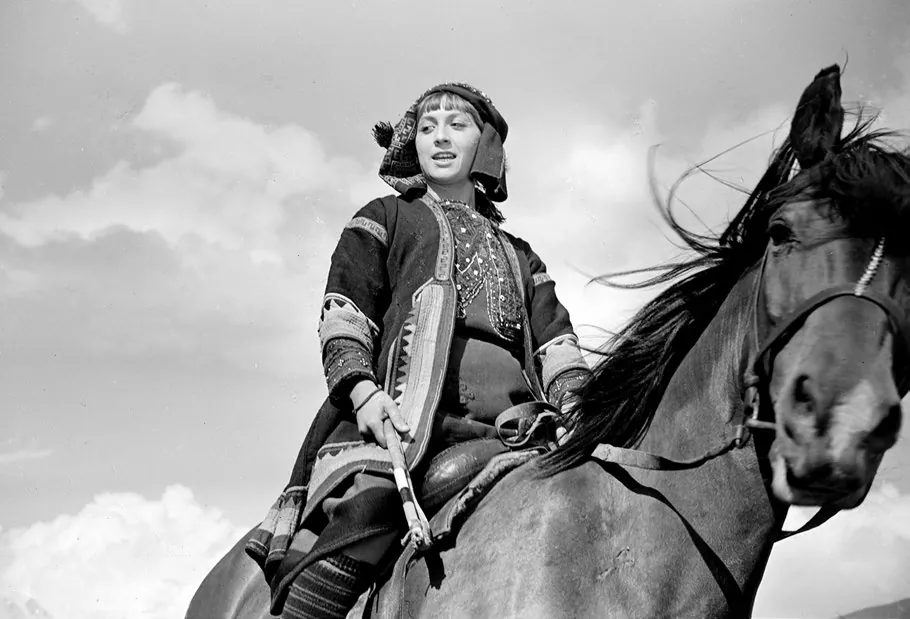
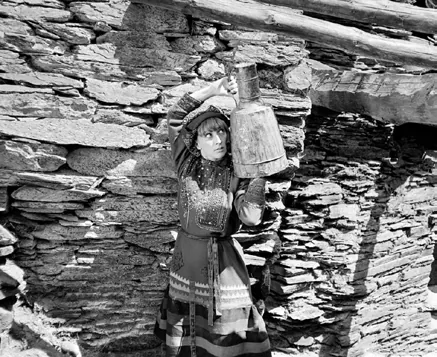
For Parajanov, Sofiko Chiaureli was a special source of inspiration. The director often said it was difficult to imagine his films without her. She appeared in several of his important works, the most famous being The Color of Pomegranates (1969). In that film, Sofiko performed multiple different roles, demonstrating the extraordinary range of her acting talent.
“Our Yard” became one of the most beloved Georgian films, portraying the everyday life, relationships, and emotions of people living in a traditional Tbilisi courtyard. During that period, Sofiko Chiaureli and Giorgi Shengelaia fell in love and later married. Their relationship became an important part of Georgian cultural history, as both made significant contributions to the development of Georgian cinema. Their sons, Nikusha and Sandro Shengelaia, continued the family’s creative tradition.
Sofiko Chiaureli was not only a remarkable actress but also an exceptionally warm and caring person in her personal life. Above all, she was a devoted mother. Despite her demanding career, family always remained central to her life. She often said that her greatest happiness was her children and her family.
Pikris Gora, one of Tbilisi’s culturally significant districts, became another important place in her life. There, Sofiko Chiaureli lived with her second husband, the celebrated actor Kote Makharadze.
Kote Makharadze was one of the most beloved figures in Georgian theater and television. In addition to being an outstanding actor, he was a legendary sports commentator.
Reflecting on her life, Sofiko once said, “In life, especially in personal life, there are no rules. It was my destiny to love twice.” She and Kote Makharadze shared their life for thirty years. Their love story began during rehearsals for the play Uriel Acosta. Kote was eleven years older than Sofiko.
In 1987, at the initiative of Kote Makharadze, the One-Actor Theater “Veriko” was established in the Veriko Anjaparidze and Mikheil Chiaureli Museum on Pikris Gora. From its earliest days, Sofiko Chiaureli and Kote Makharadze performed monodramas, organized creative evenings, and hosted meetings with artists and audiences. After Kote Makharadze’s death, Sofiko Chiaureli continued to manage the theater.
Sofiko Chiaureli a beloved actress for audiences both in Georgia and abroad. she appeared in more than a hundred films. Sofiko Chiaureli is also the only Soviet actress to have received the Best Actress award seven times at international film festivals.